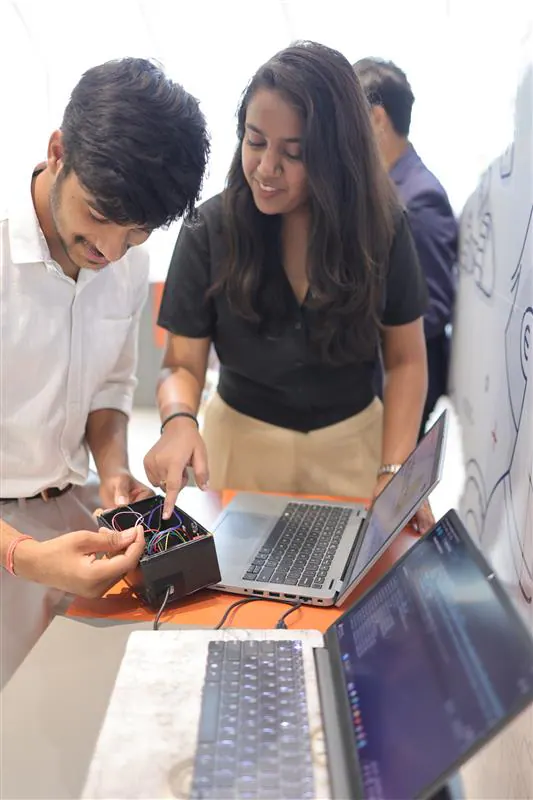
Curate Your Portfolio
Showcase four years of real engineering work, experimentation, iteration and redesign.

Get Real.Get REAL
Build your Portfolio. Master your Playbook. Create your Change Blueprint.
Computer Science & Engineering · Electronics & Computer Engineering · Mechanical Engineering
Applications
Closing
21st
February 2026

for engineering by

among private Engineering & Technology Institutes
Showcase four years of real engineering work, experimentation, iteration and redesign.
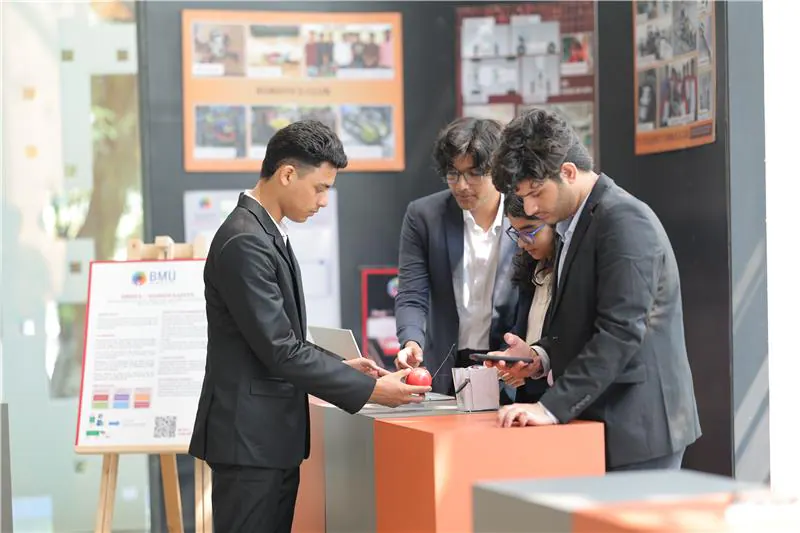
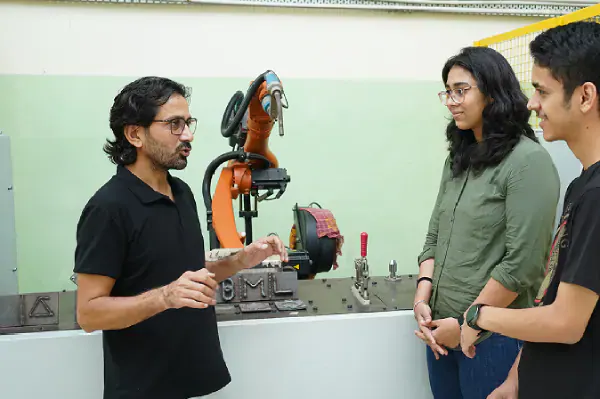
Document how you frame problems, make trade-offs, test solutions and debug failures.
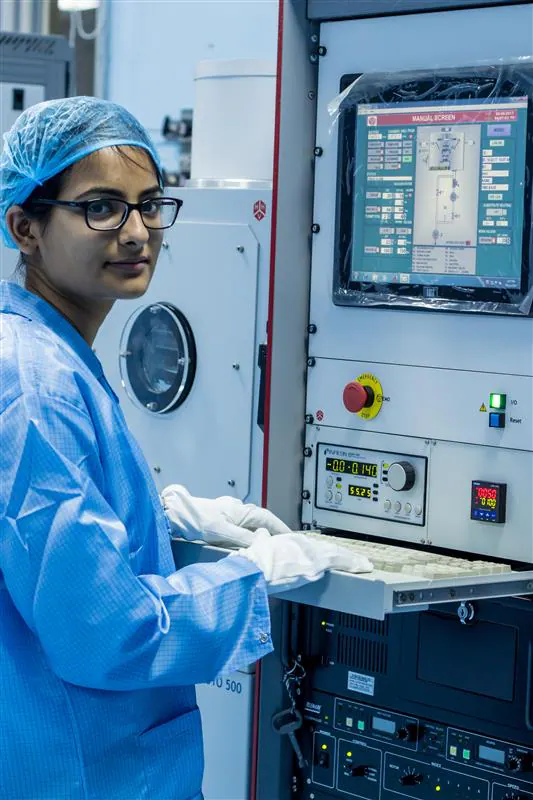
Demonstrate how you diagnose failures, challenge assumptions, redesign and re-test solutions.
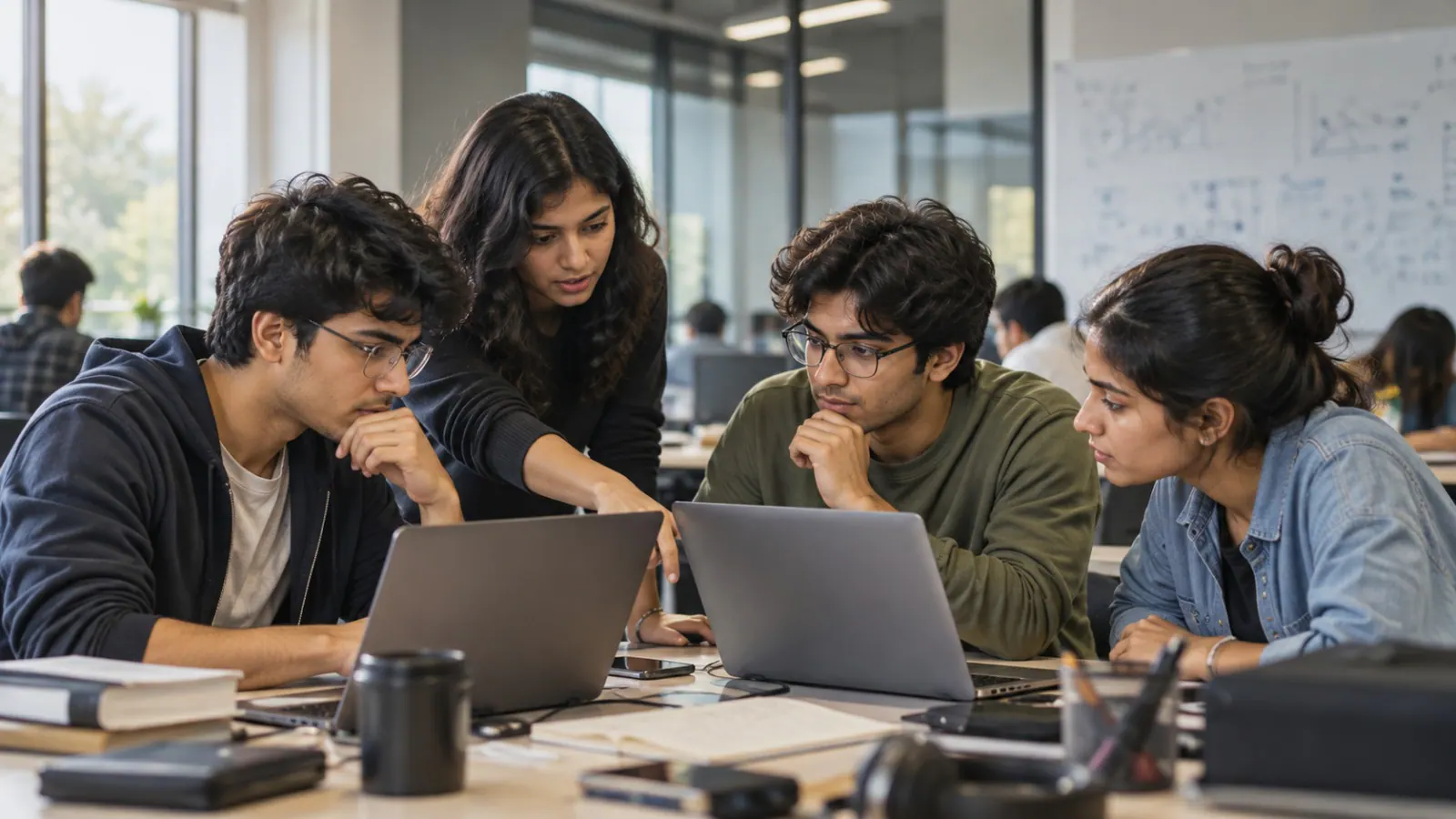
Build software and explore AI and data-driven systems.
Specialisations: Data Science & AI • Cybersecurity • Automobile Engineering & Electric Vehicles • Robotics & Automation • Internet of Things (IoT) • VLSI Design
Build strong engineering fundamentals in your first two years. Then deepen your expertise through a specialisation that matches your interests.
YEARS 1–2
 Mathematics, computation and analytical thinking
Engineering fundamentals Design, communication and professional skills Interdisciplinary exposure
YEARS 3–4
AI
and Data Science IoT
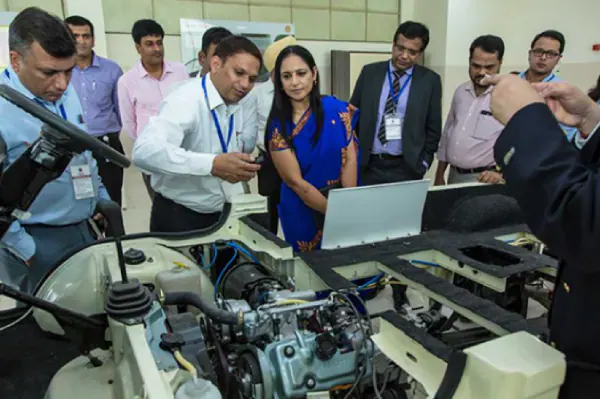
and Embedded Systems Automobile Engineering Robotics and Automation Cybersecurity VLSI Design 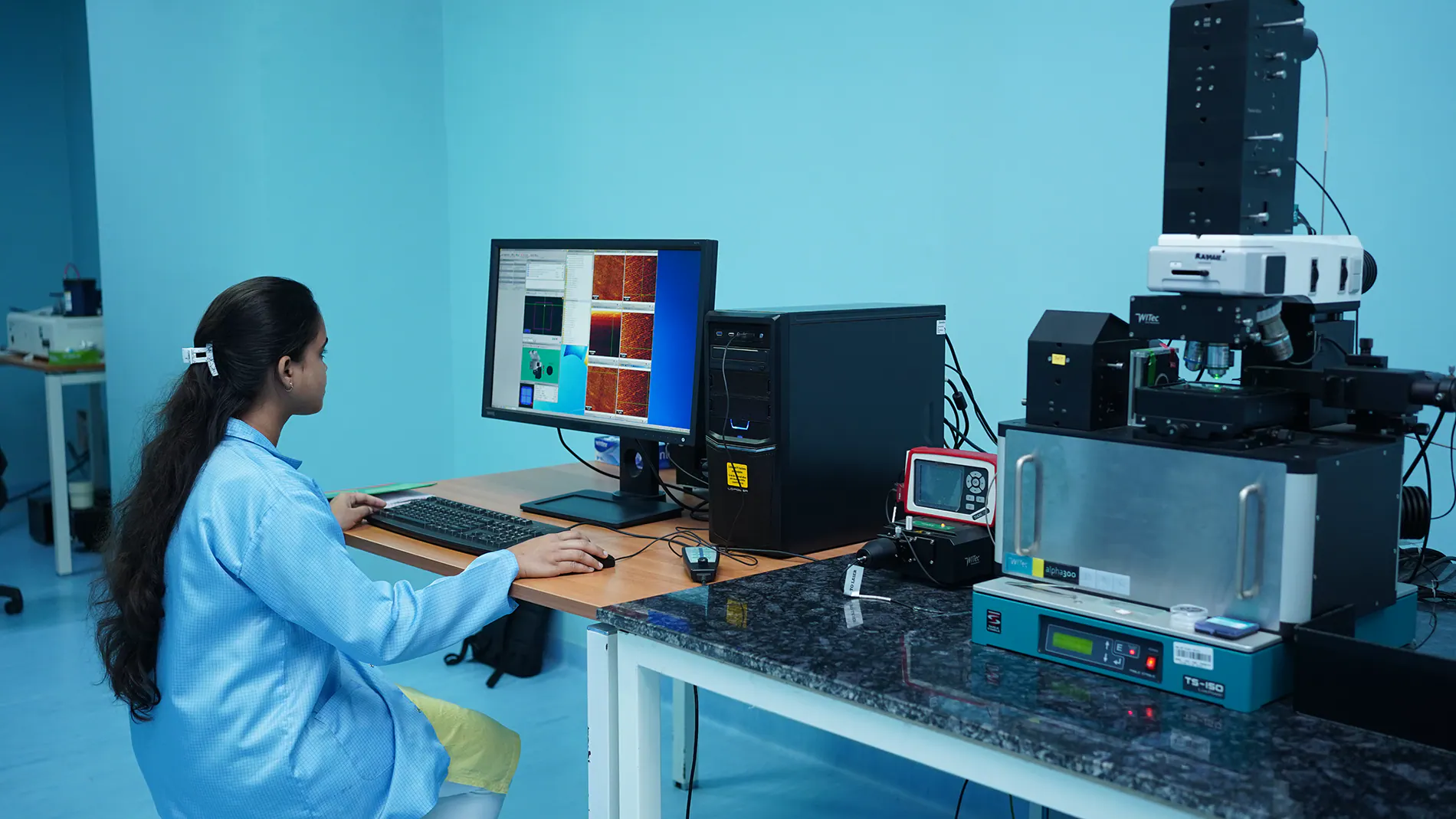
Connect intelligent algorithms with sensors, devices and computing hardware.
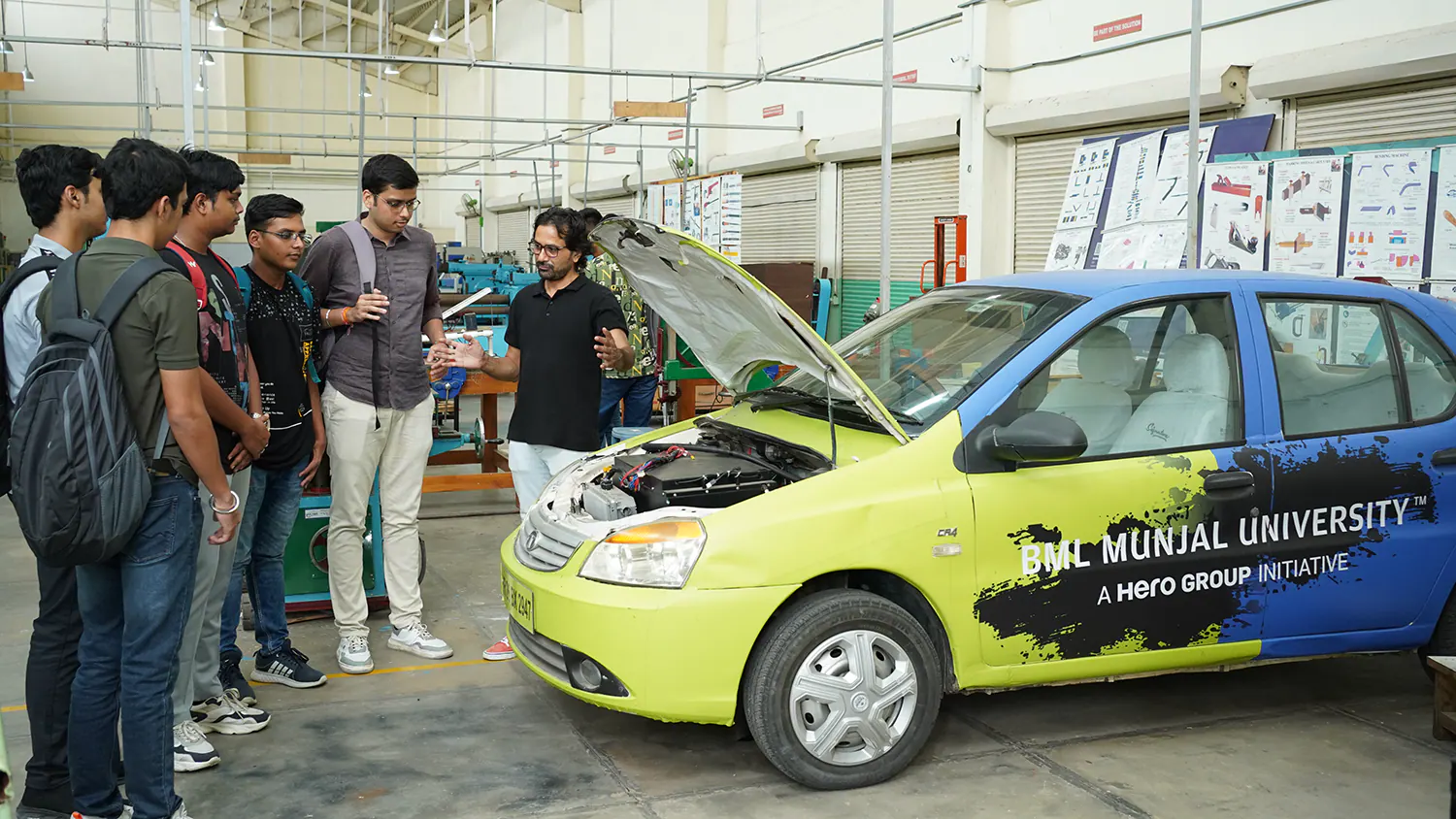
Integrate mechanical systems, control and intelligent manufacturing processes.
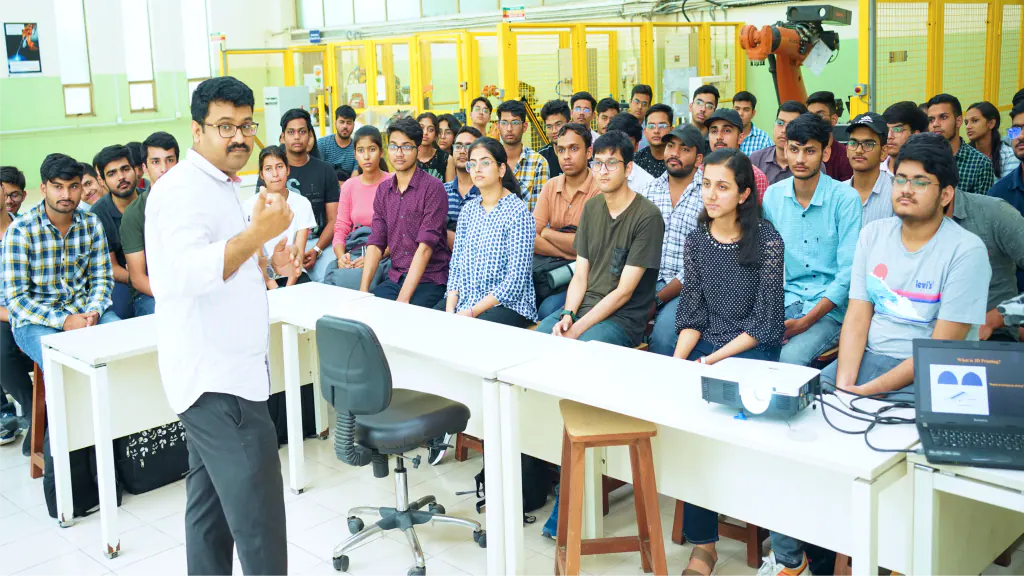
Combine engineering principles, computational tools and data analysis to solve complex problems.
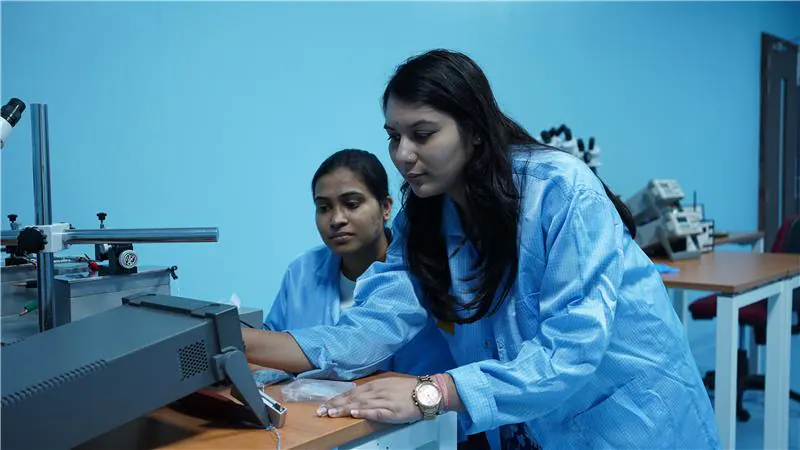
Understand how software, hardware and physical systems work together.
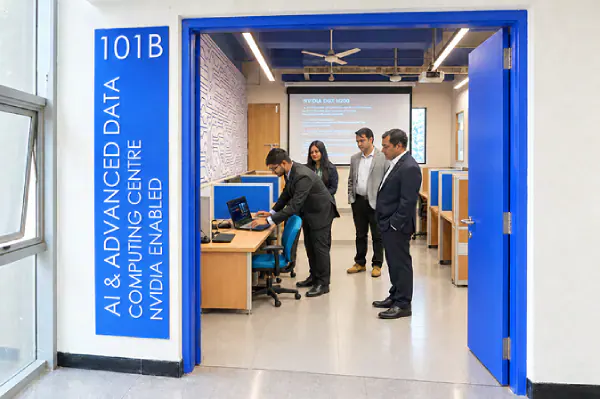
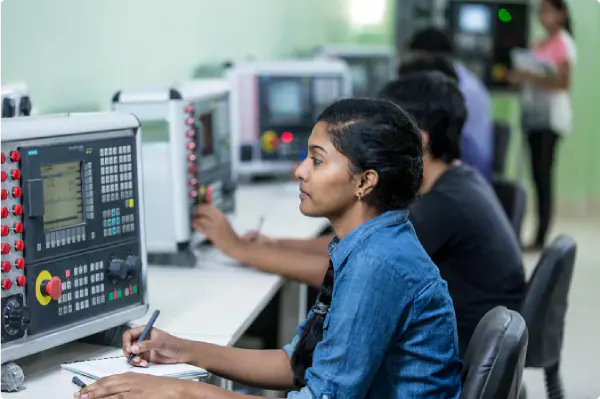
AI runs through the curriculum, helping students apply intelligent tools to design, simulation, analysis and experimentation.
Use AI tools to explore design options and refine solutions.
Simulate scenarios, test alternatives and optimise engineering systems.

Analyse data to spot patterns, anticipate outcomes and make better decisions.

Generate concepts and variations, then test and validate them.
The Three-Stage Practice School takes students from early industry exposure to working on live engineering projects.
Practice School I
1 week | First year
Company visits, industry interactions, AI workshops and hackathons.
Practice School II
8 weeks | After second year
A summer internship with industry partners across India, working on projects and professional workflows.
Practice School III
16–18 weeks | Fourth year
Work full-time on live industry projects, with opportunities for pre-placement offers.
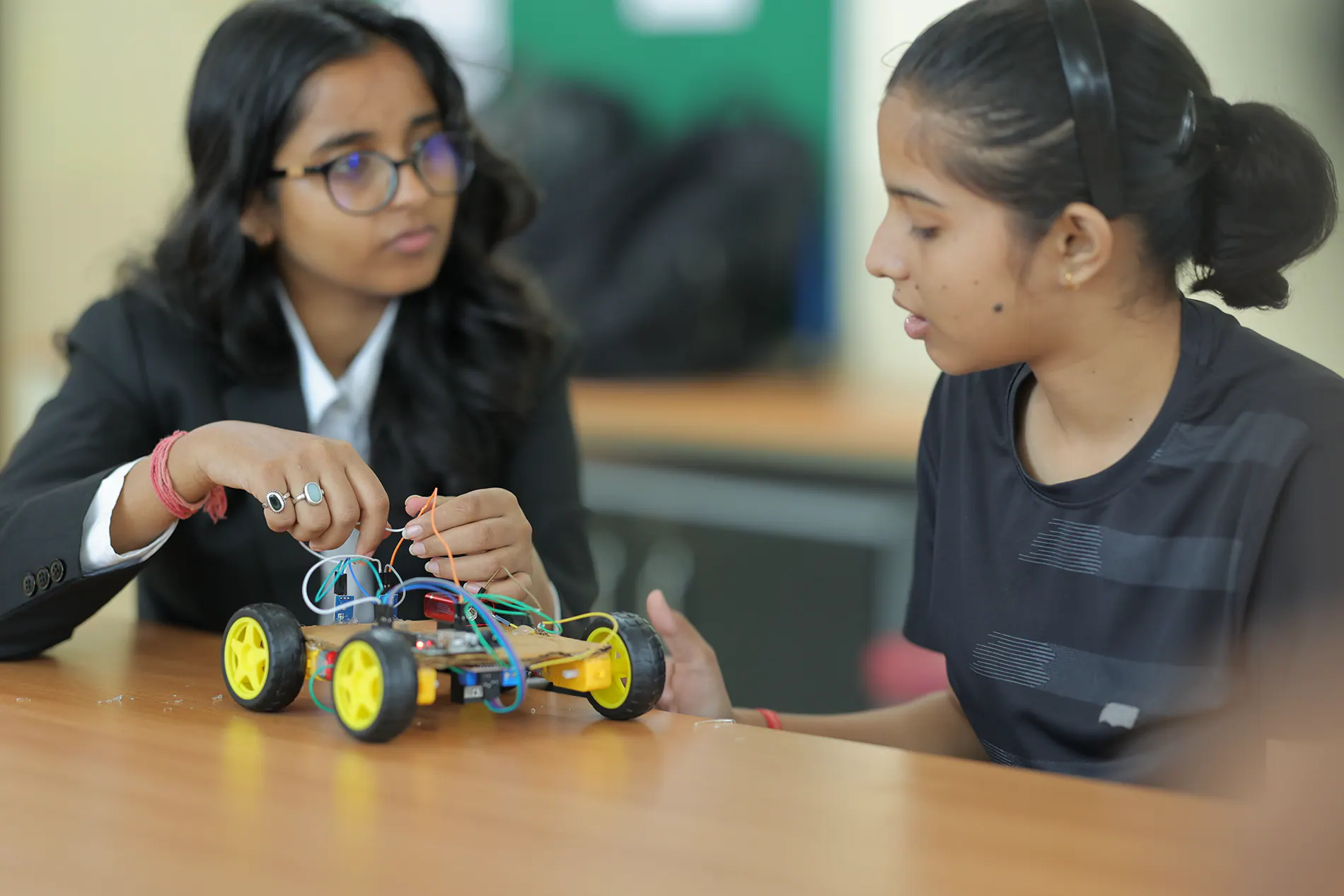
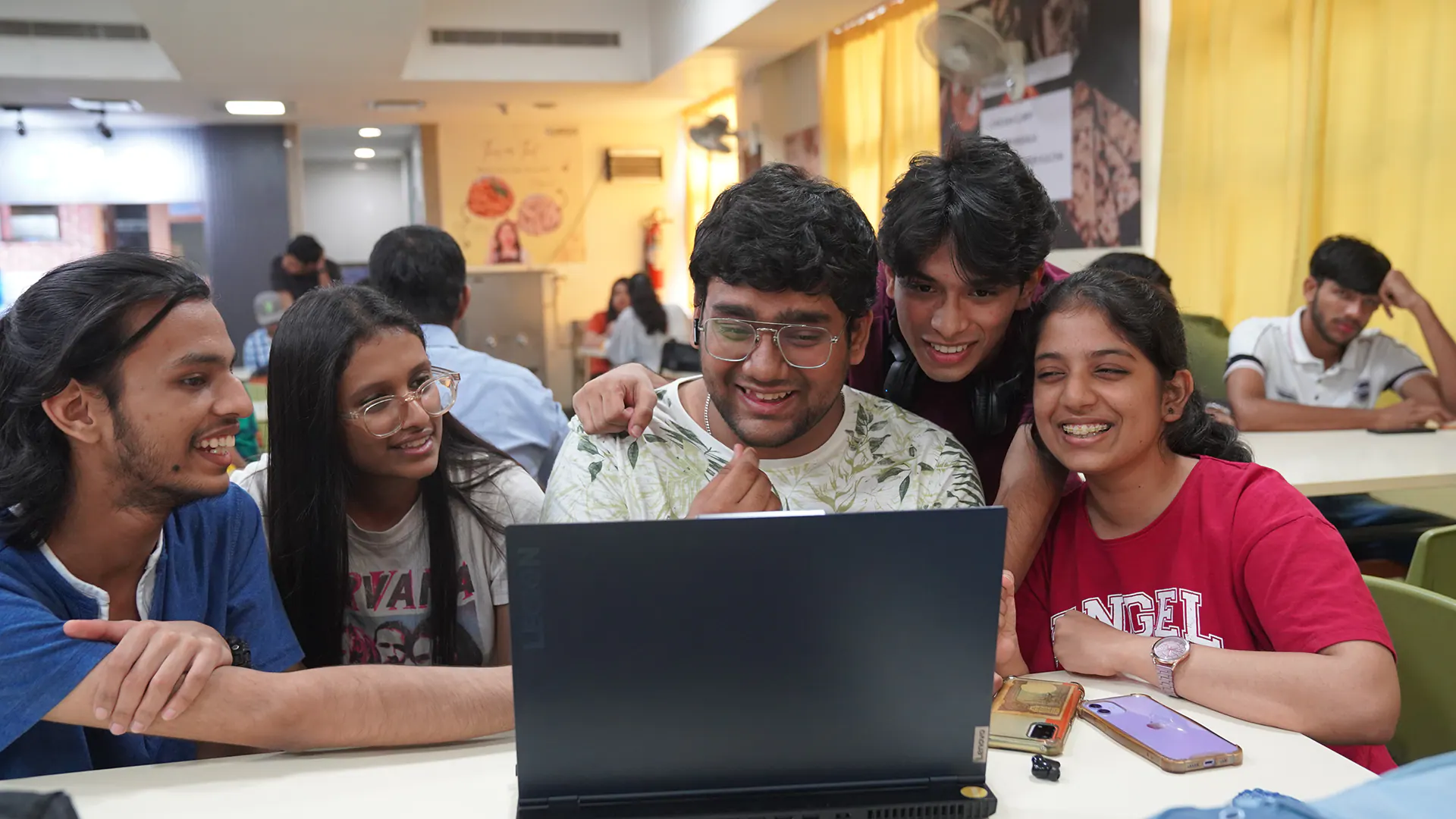
SOET’s campus experience is designed to feel less like a classroom and more like a startup ecosystem.



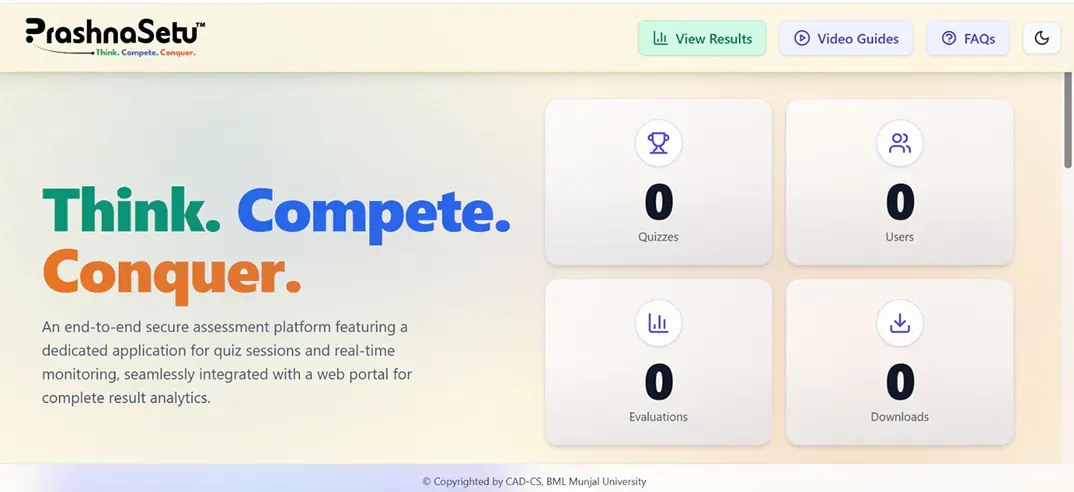
From campus technology to industry-linked engineering projects, see how BMU students turn ideas into working platforms and apply their skills to real-world challenges.
A copyrighted digital assessment platform developed by students and used by BMU faculty.
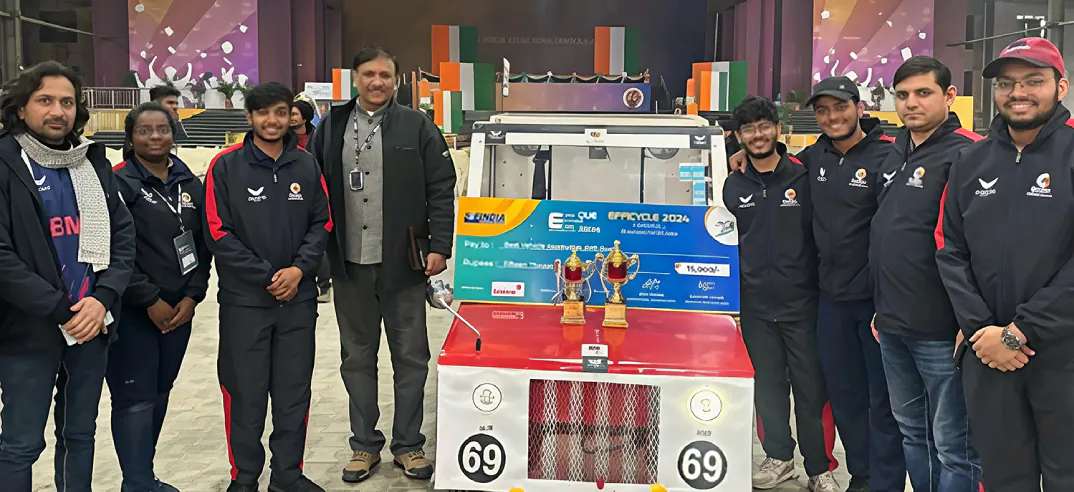
Students participated in Efficycle, a national EV design competition, building a vehicle prototype and reaching the finals among 200+ registered teams, winning two awards. Students analysed operational EV data to study vehicle performance, usage patterns and system efficiency.
A student-developed university app bringing campus services and information together, with AI-enabled features.
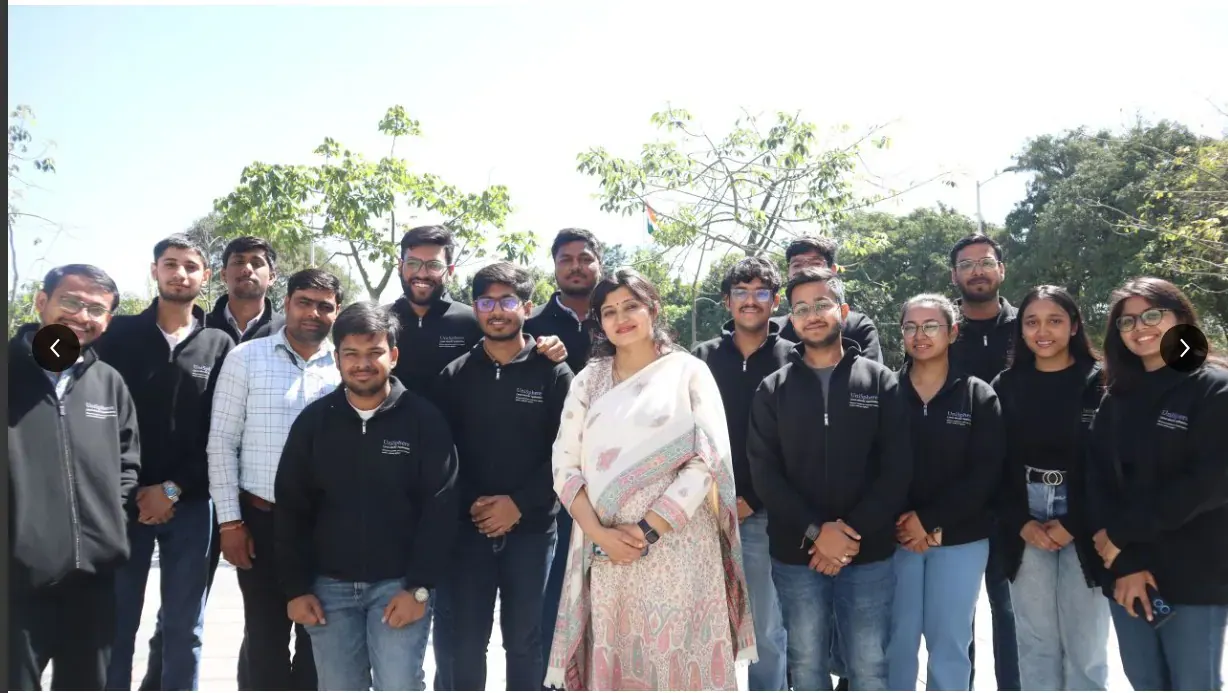
An AI-powered assistant designed to help students find answers to campus-related queries.
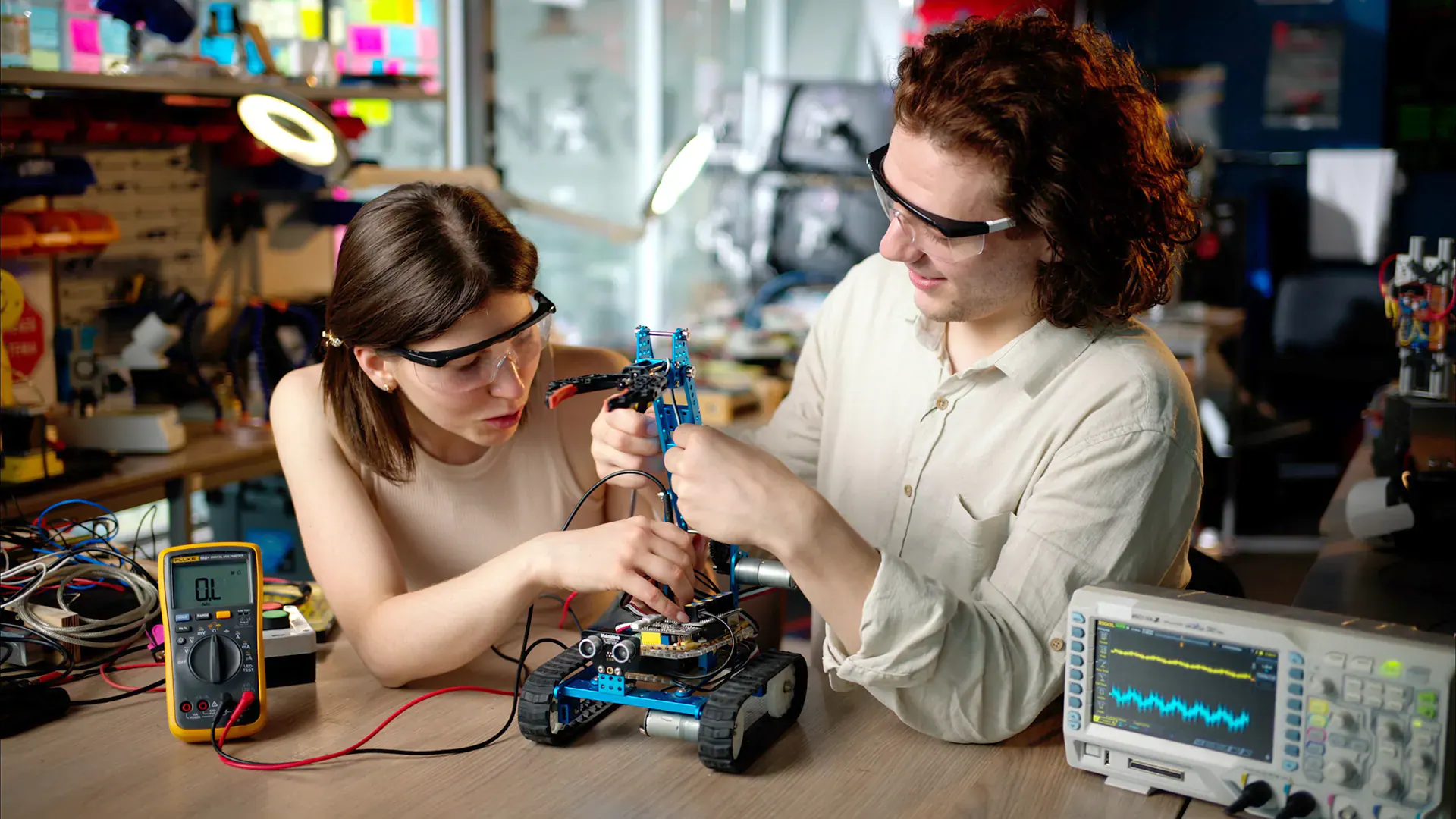
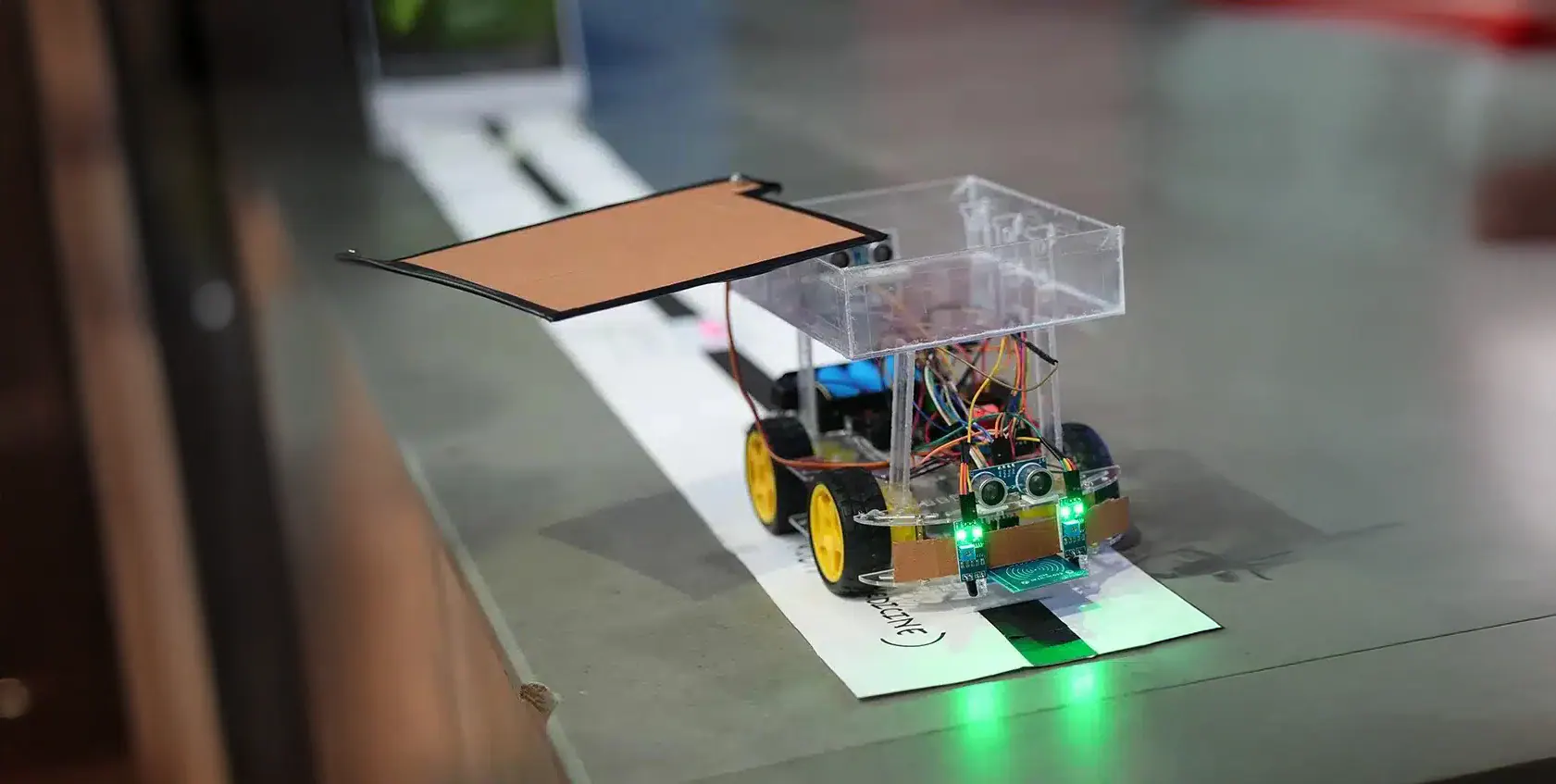
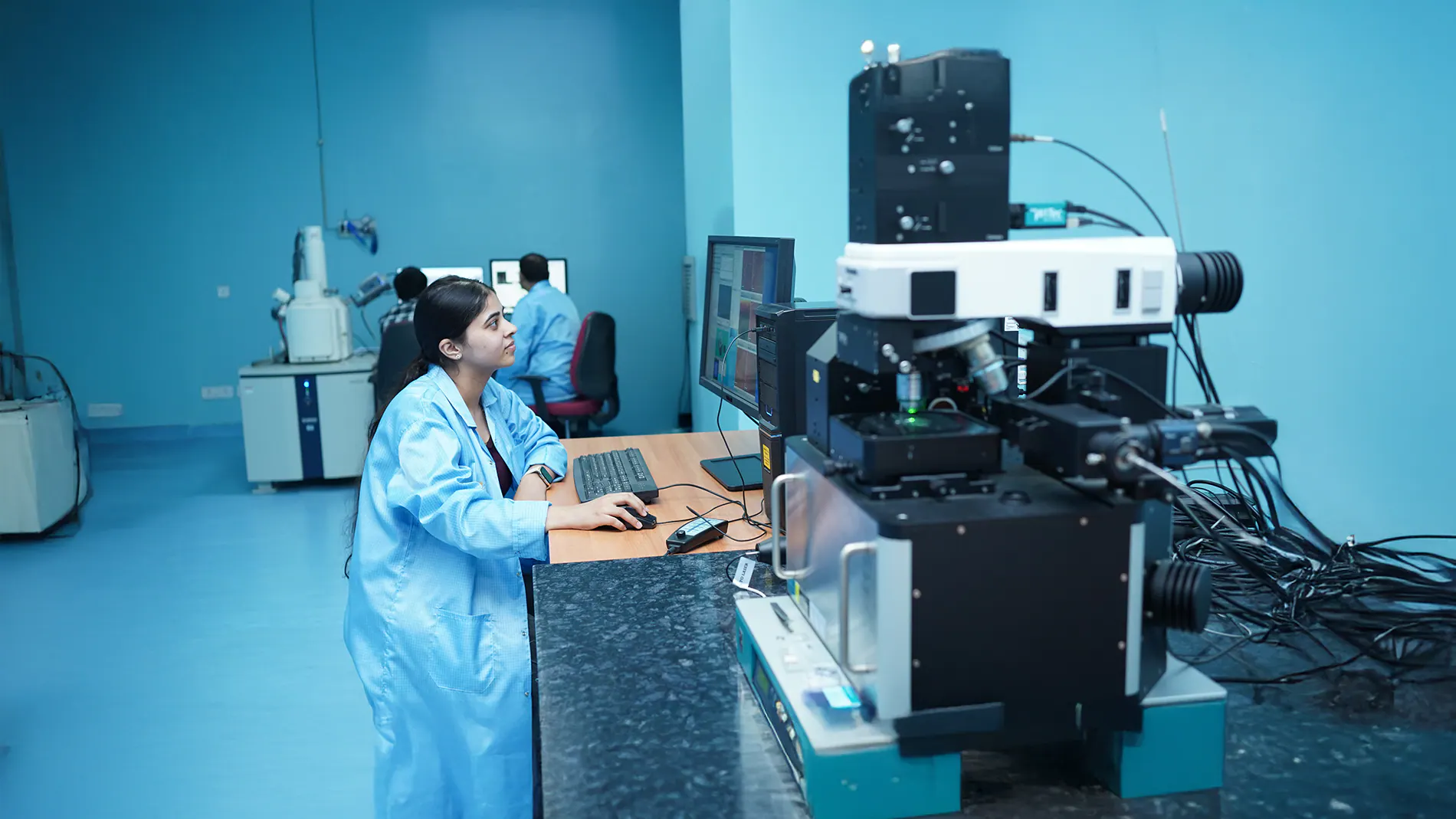
Maker spaces, hackathons, demo days and the Student Seed Grant Programme help students test ideas, refine prototypes and explore their potential.
225+ Student projects showcased at TechSparX.I
Student Achievements | 2025–26
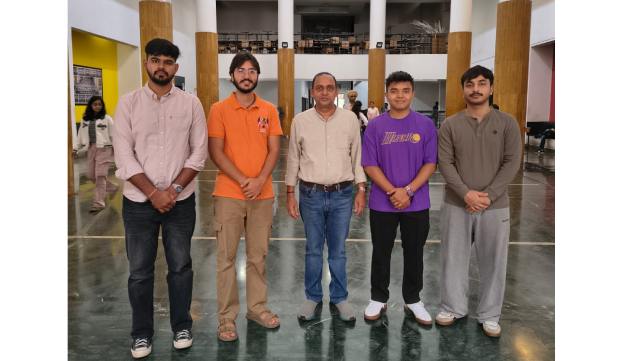
At NaFiHAB-26, first-year CSE student Vikash Jha secured first position, while third-year Mechanical Engineering student Anshul secured third.
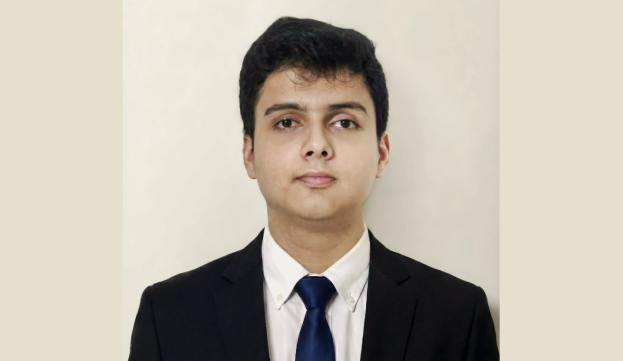
Specialising in VLSI Design, Karmanya was selected from 4,000 applicants for the Samsung Semiconductor Fellowship (ISWDP), associated with IISc and Synopsys.
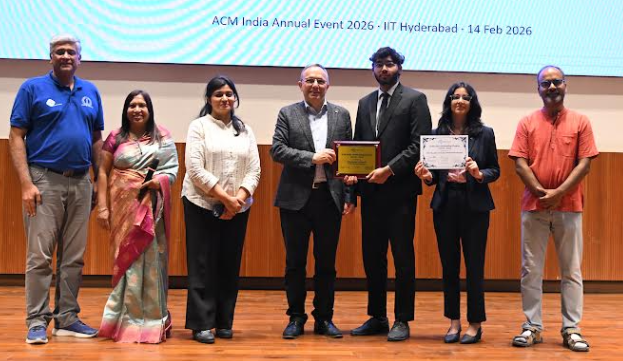
Ranked first among 195+ student chapters across India, it also received the Outstanding Chapter Award at the ACM India Annual Event at IIT Hyderabad.
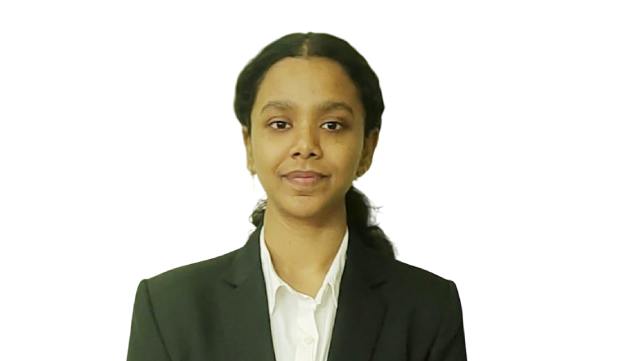
Siddhika received the award at ICDAM 2026 for research on trustworthy federated learning for healthcare AI.
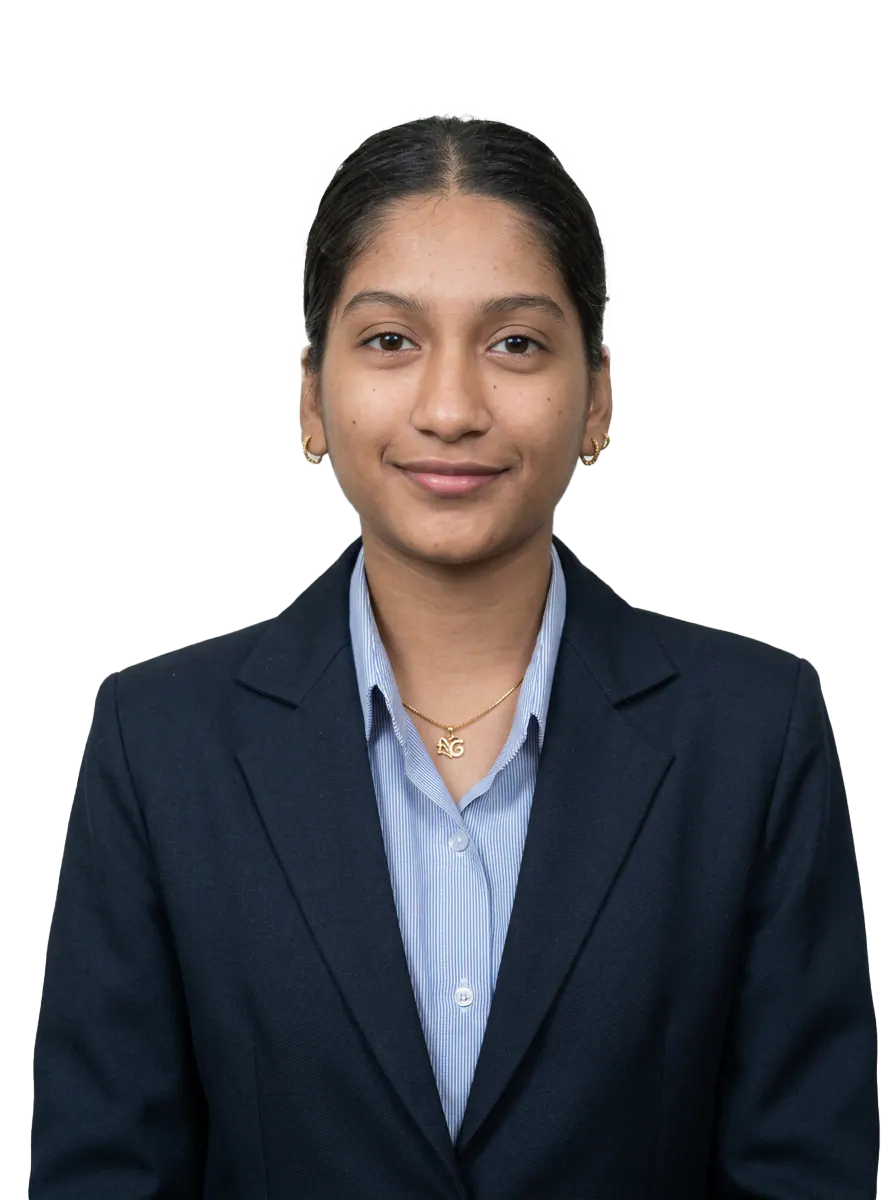
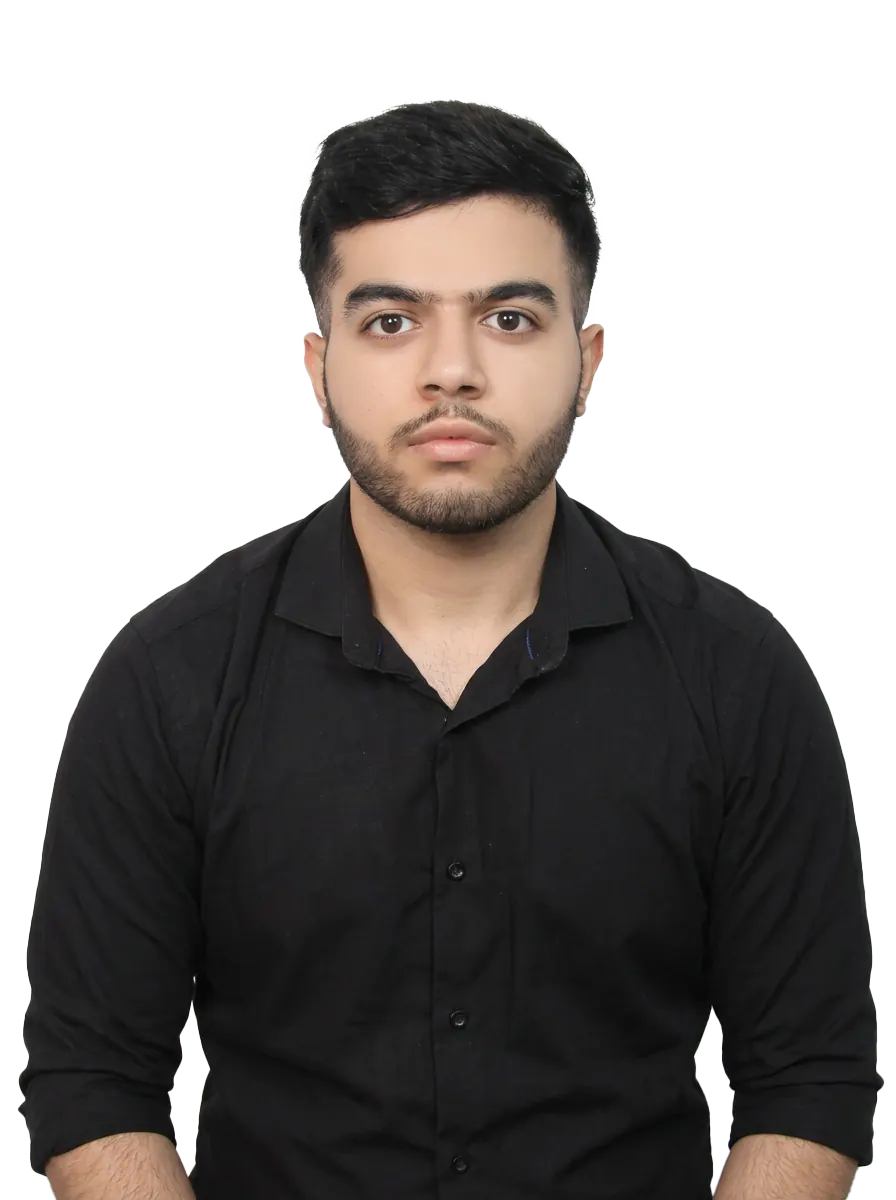
B.Tech. CSE | SSPL DRDO
Neeharika contributed to silicon carbide (SiC) wafer manufacturing and semiconductor device optimisation for high-power defence electronics.
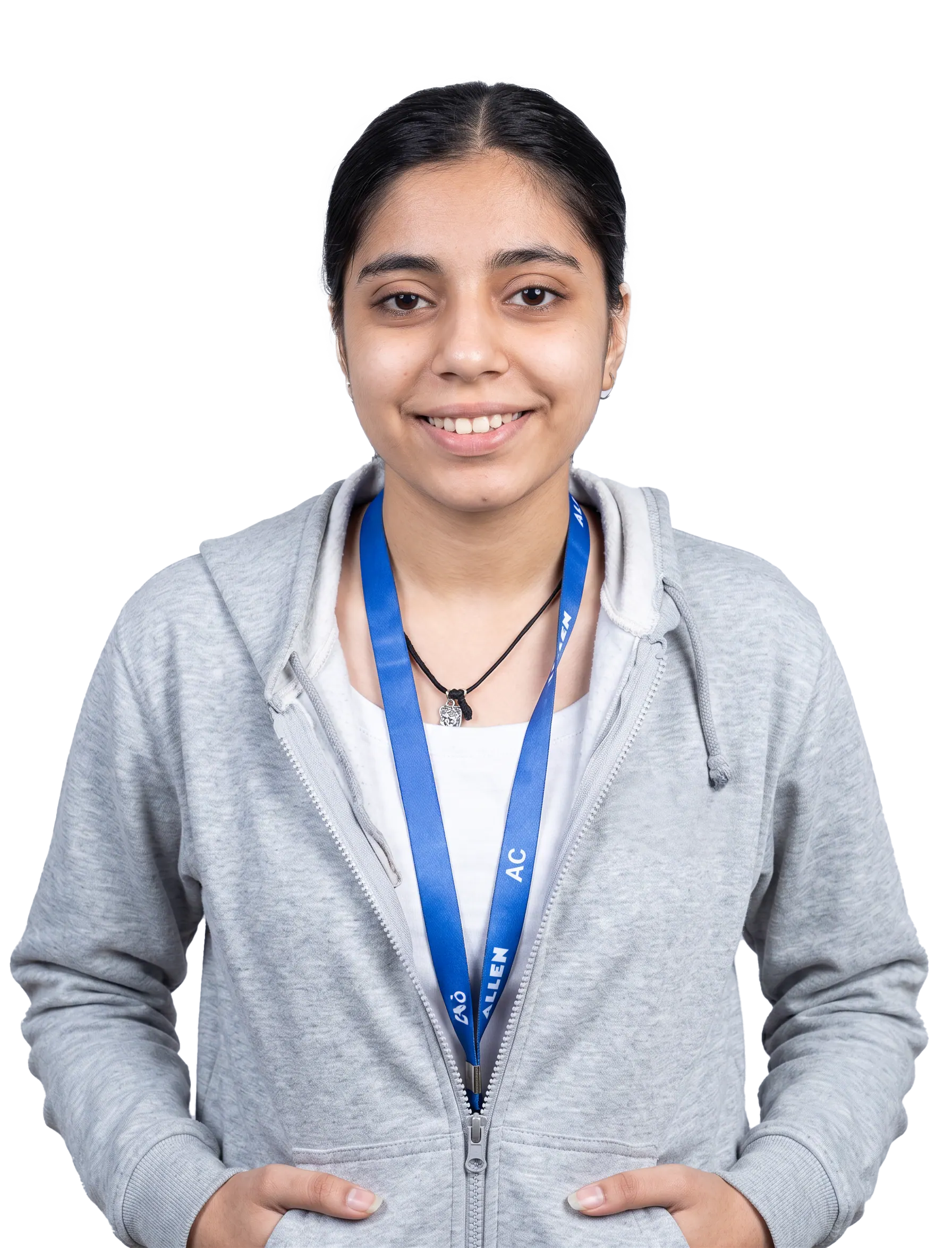
B.Tech. CSE | AmbiDer
Yash helped build AEN, a platform connecting clients with vetted experts, contributing to frontend, DevOps and key platform features.
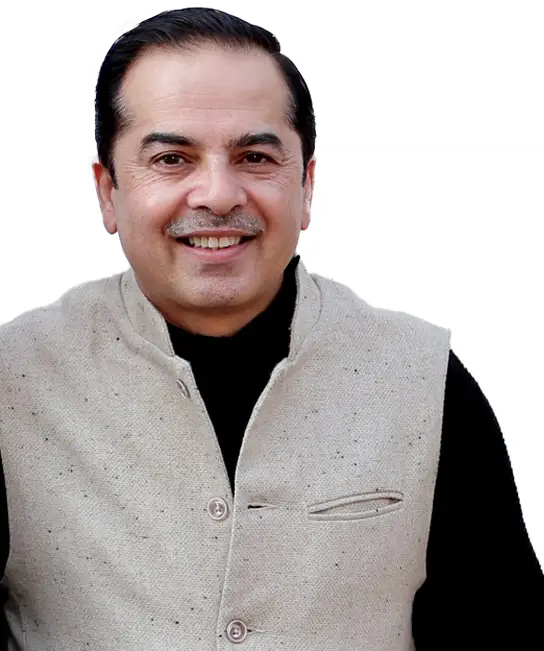
B.Tech. CSE | Venture X India
Janvi built LearnFlow, a multi-role LMS for courses, assignments, fees, attendance and progress tracking, with 70+ tested backend endpoints.
Dean, School of Engineering & Technology
PhD, Thapar Institute of Engineering and Technology, Patiala
Teaching and research
Peer-reviewed papers
Sponsored research and industrial consultancy project outlay
Research accepted at an international Natural Language Processing conference.
Student research in machine learning and bioinformatics published in the journal.
Research presented at an international conference on intelligence and computing.
Research presented in Ho Chi Minh City, Vietnam.
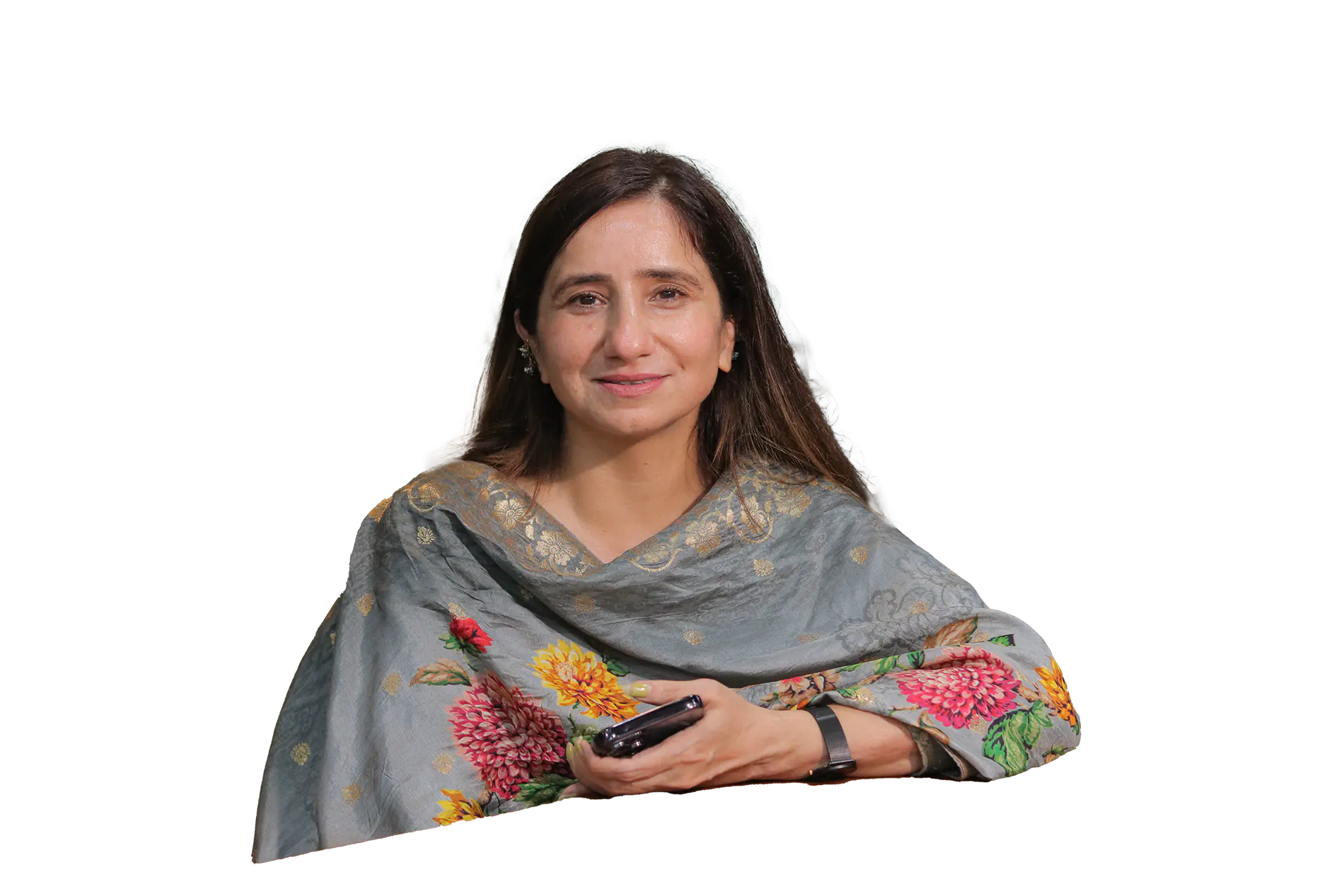
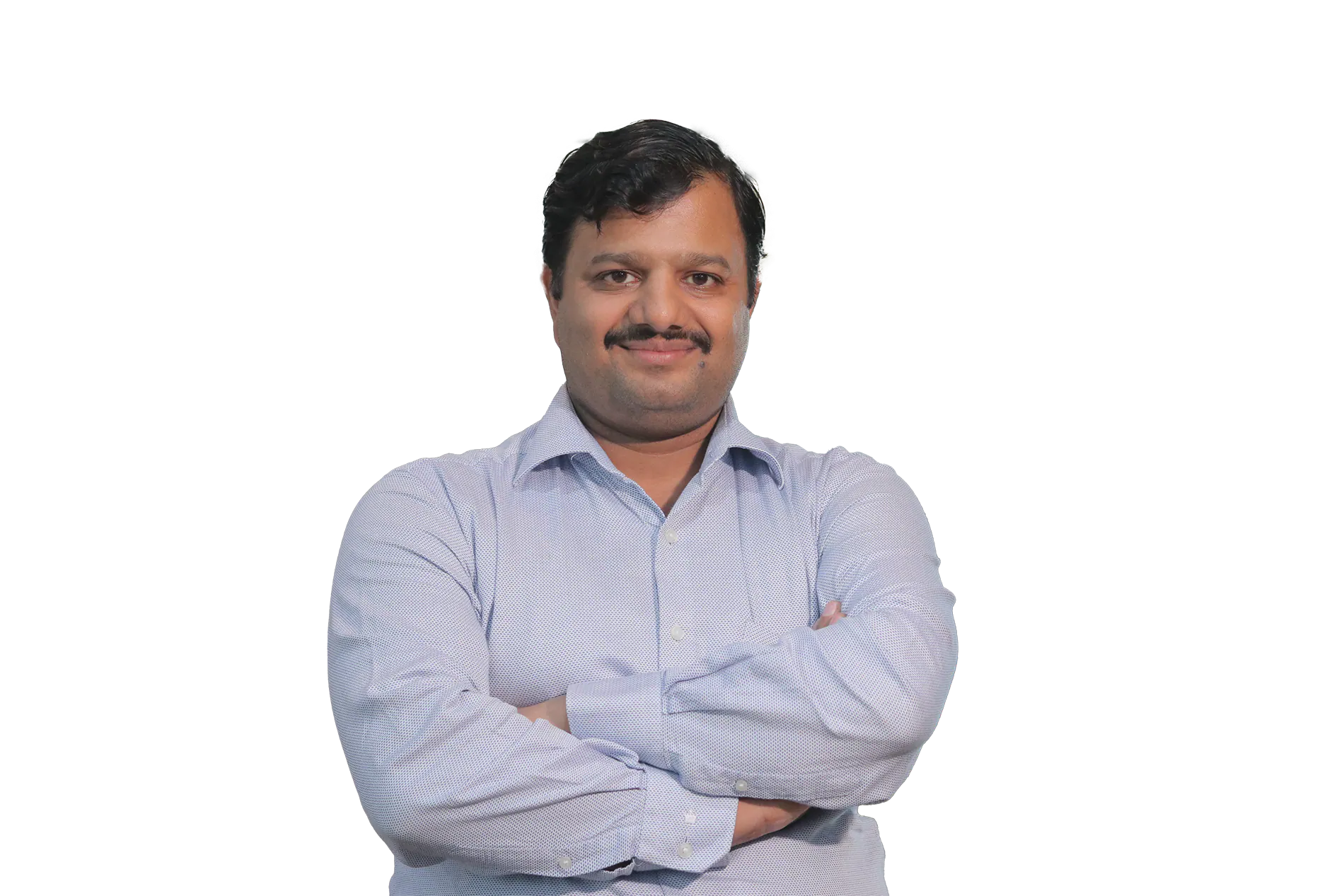
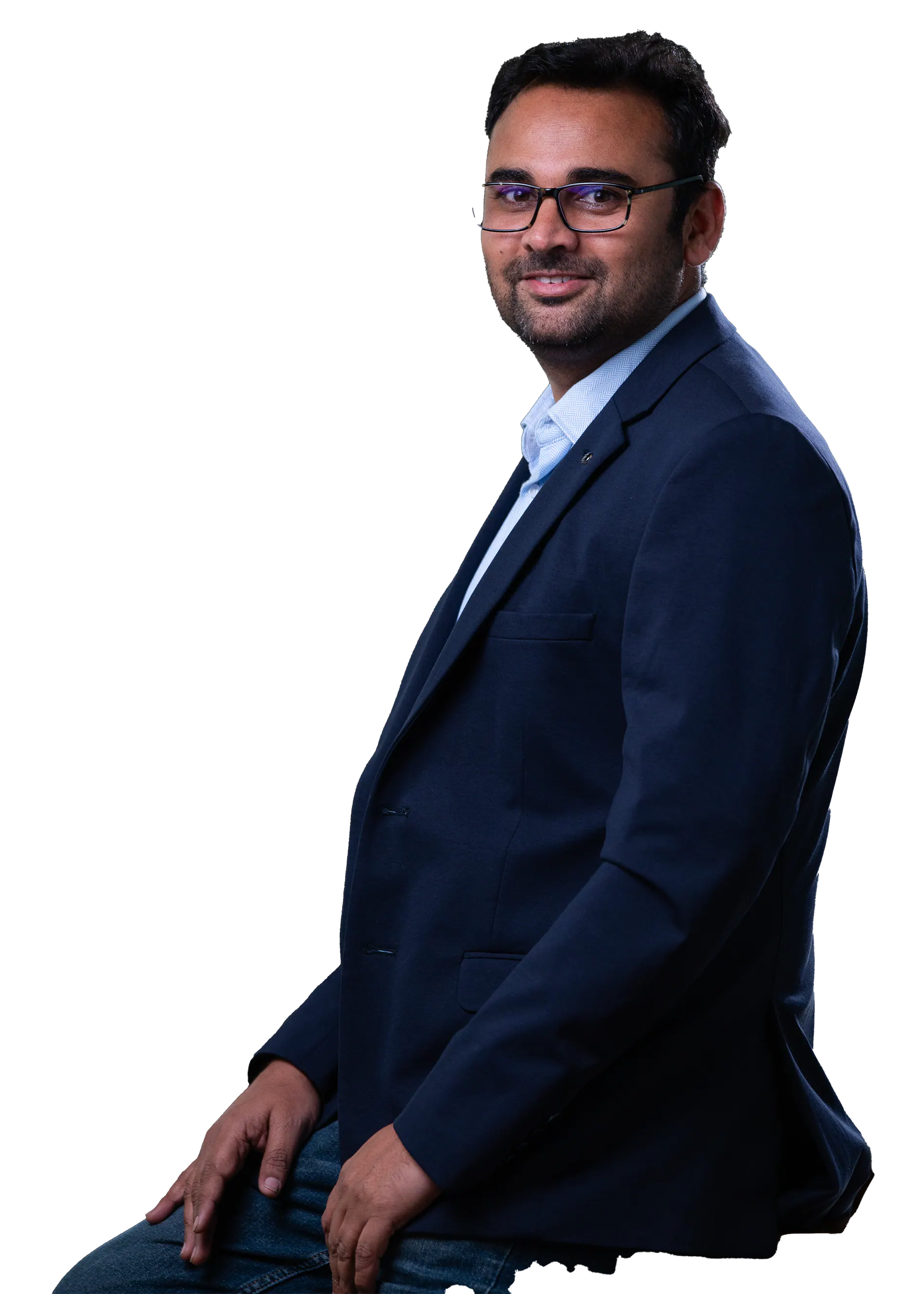
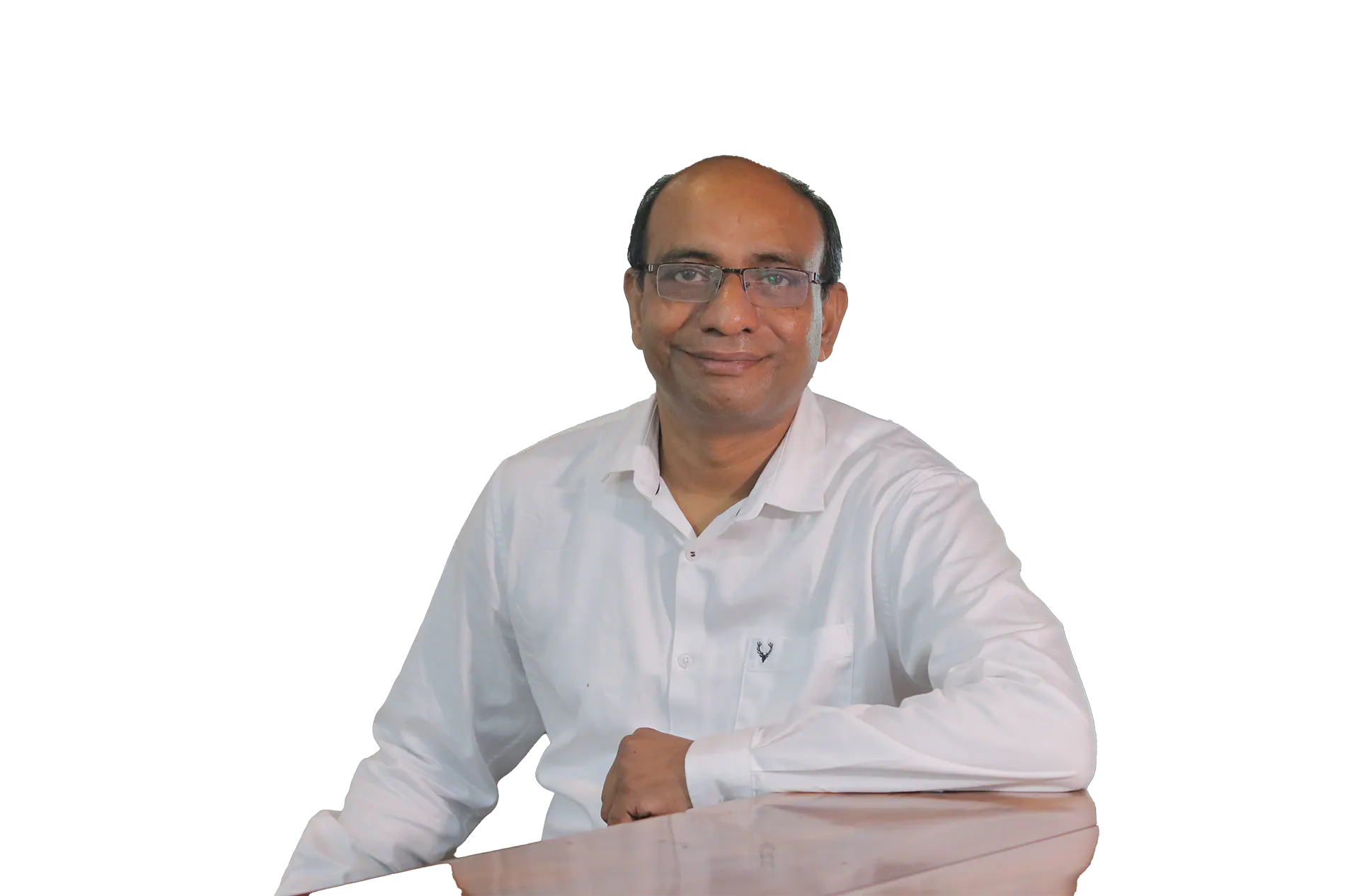
Meet your mentors and educators
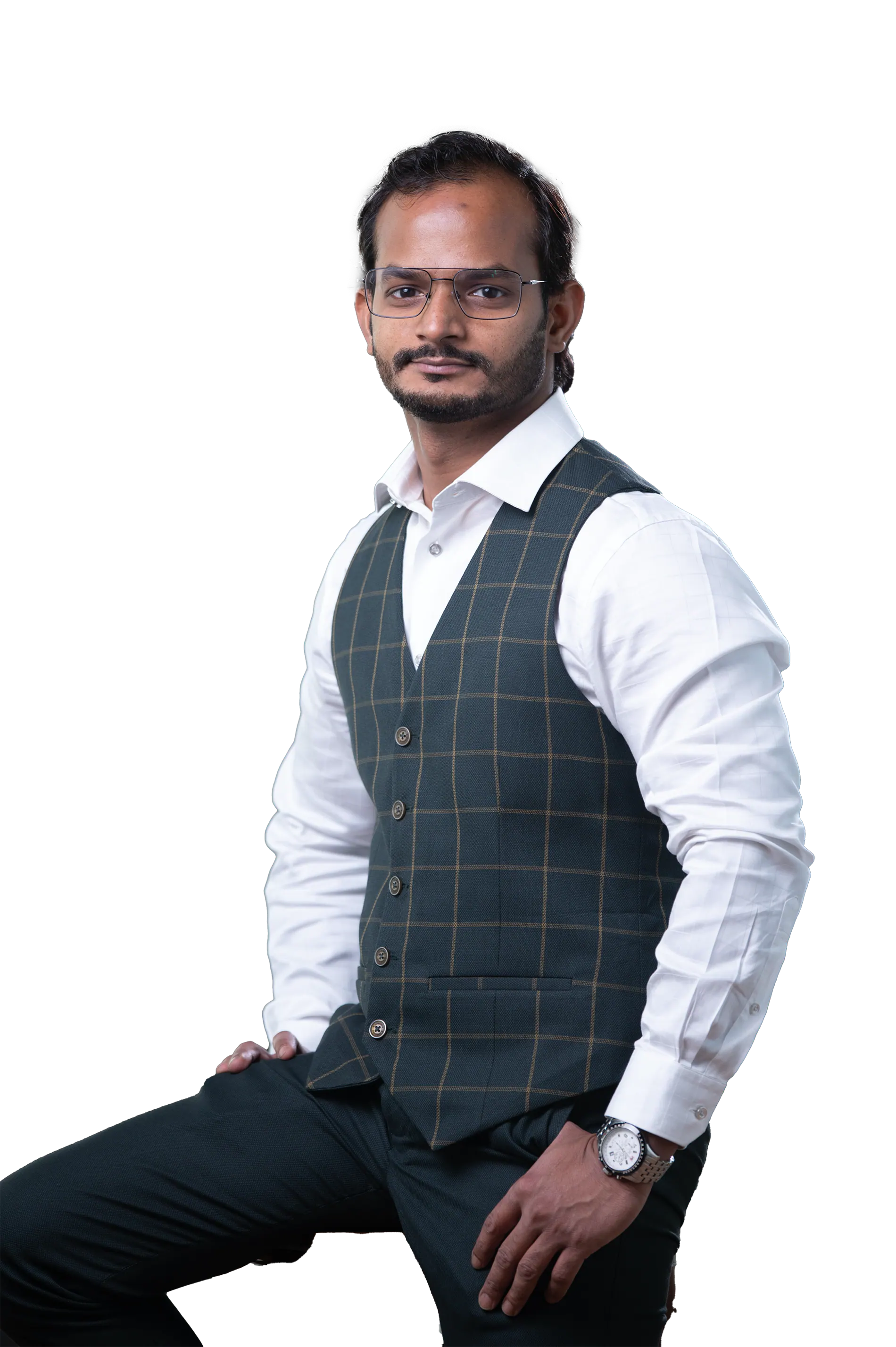
Dean – Student Welfare & Professor of Mathematics
Postdoc, Applied
Mathematical Modelling; Université Polytechnique Hauts-de-France
Vice Dean, Training, Industry & Corporate Connect
PhD; Himachal Pradesh
University
Assistant Dean, Assessment Quality & Examinations
PhD; IIT Roorkee
Professor & Director-R&D and Head of Centre for Advanced Materials and
Devices
Postdoctoral Fellow; National University of Singapore
Professor
PhD; IIT Roorkee
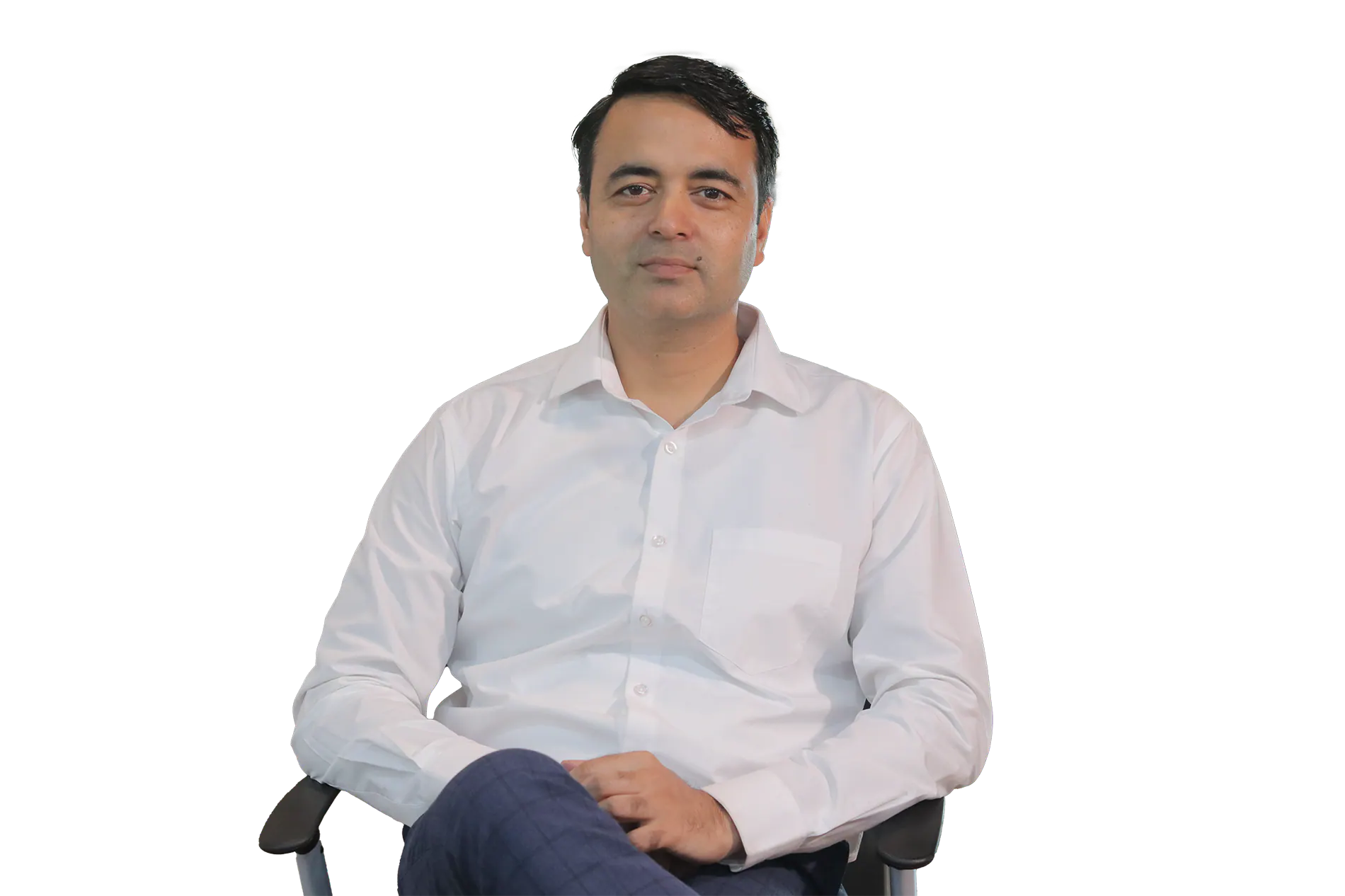
Professor
Postdoctoral; University of Duisburg-Essen
What Can Your Engineering Degree Prove You Can Do?
Highest CTC
Top 10% average CTC
Top 25% average CTC
Average CTC
The placement process is ongoing. Figures are subject to final verification.




Global academic connections



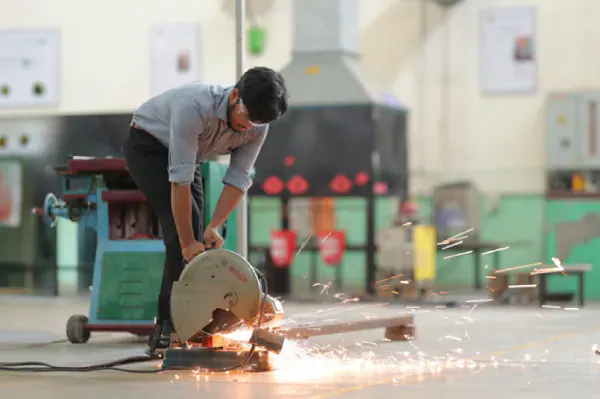
Nearly 45% of the curriculum involves hands-on learning. Through the Applied Engineering Portfolio, you work towards a targeted graduate portfolio of 6-8 engineering systems, including a major deployable capstone, full-stack applications, AI systems and data platforms.
The portfolio is assessed on system design, implementation, real-world relevance, technical documentation and functional demonstration. AI is integrated into engineering learning as a co-engineer, supporting experimentation, optimisation and design reasoning.
Yes. The Three-Stage Practice School: Learn Engineering Inside Industry progressively takes you from understanding how engineering organisations work to contributing to live projects.
The final immersion can also lead to pre-placement opportunities.
No. Students choose their specialisation in the third year, after building a foundation in mathematics, computation, engineering fundamentals and design during the first two years.
The specialisations listed in the programme material are:
Industry-partnered options are also referenced in product-native engineering with Xebia and cybersecurity with BSI Learning.
For the 2022–26 B.Tech. batch, the top 10% of the batch recorded an average CTC of ₹14.25 LPA, while the top 25% recorded an average CTC of ₹10.88 LPA. The highest single offer was ₹21 LPA.
Students also gain industry experience through the Three-Stage Practice School and projects with companies such as Switch Mobility and Metalman Fabtech.
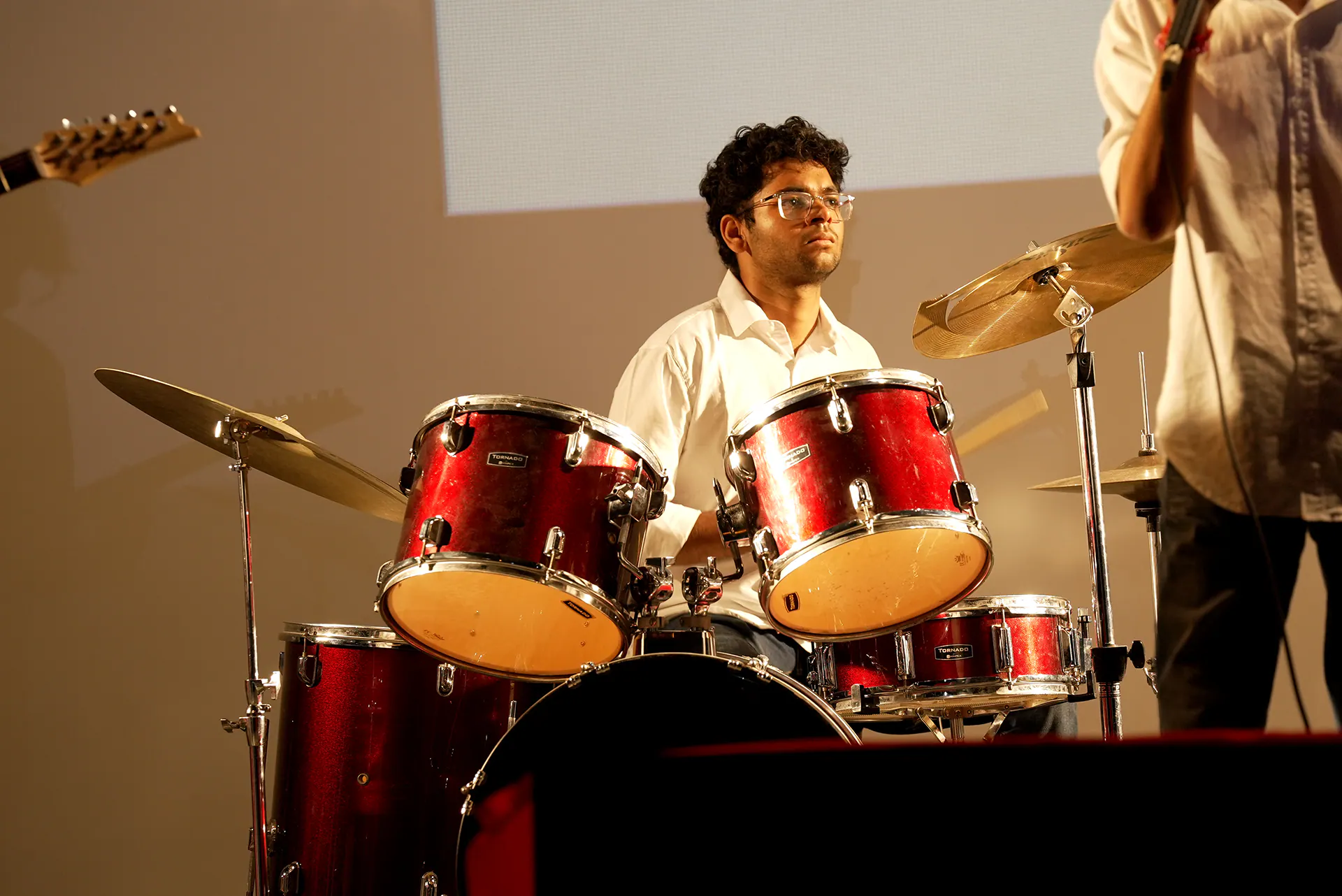
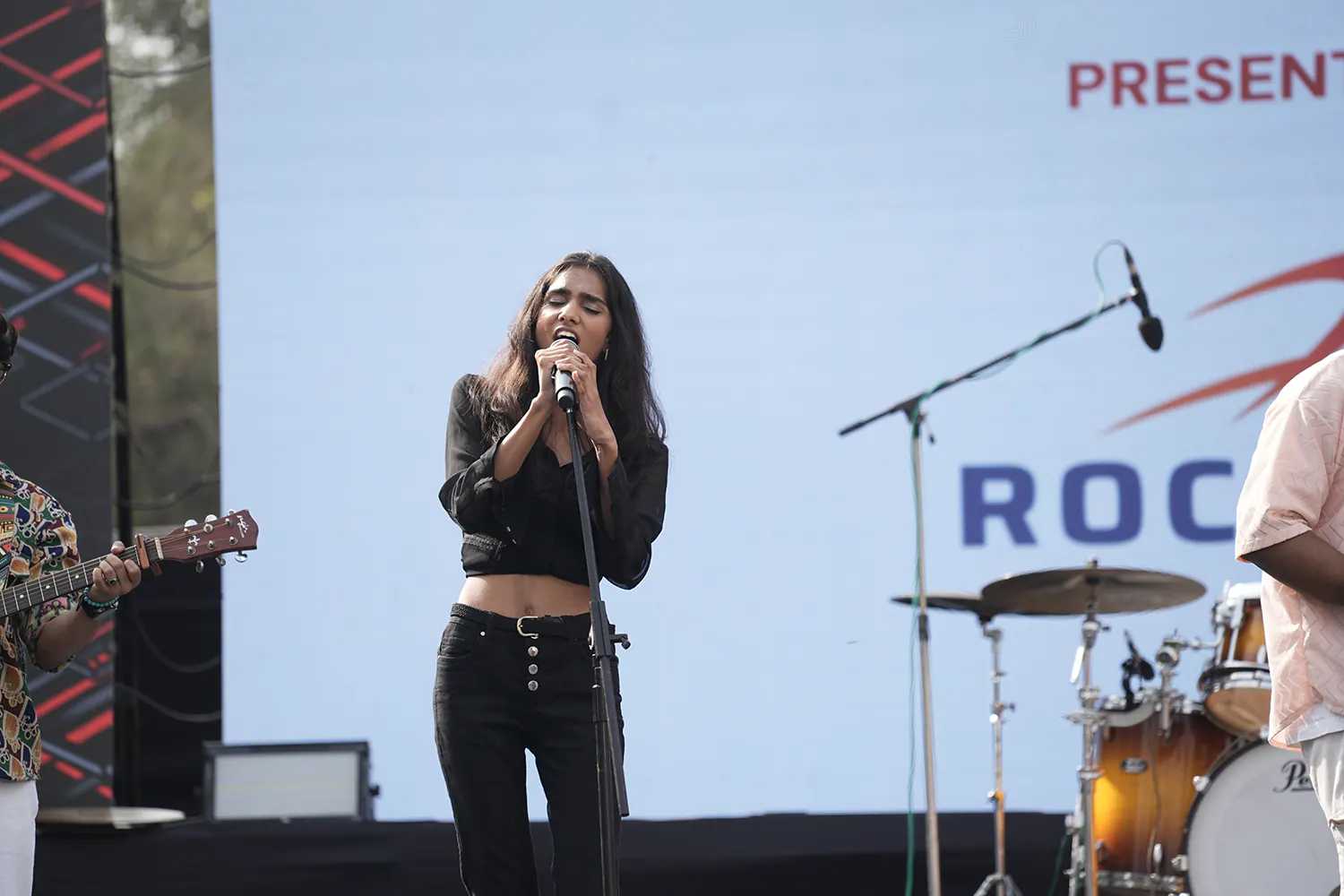
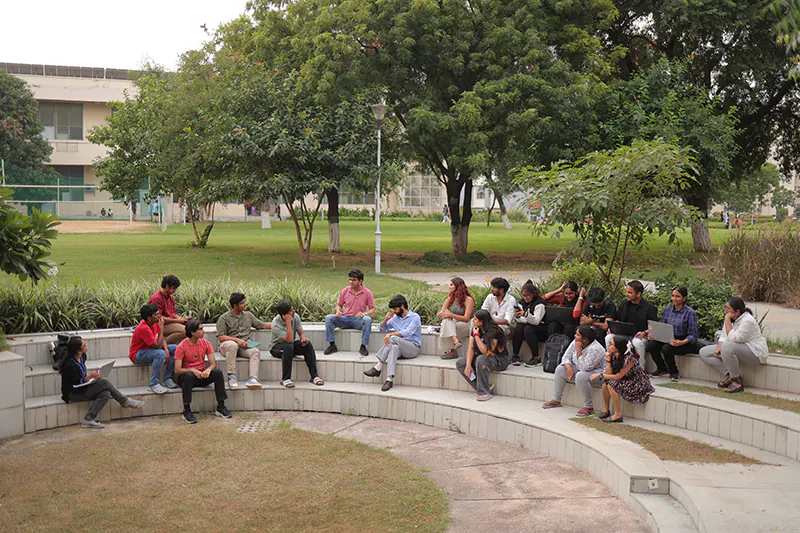
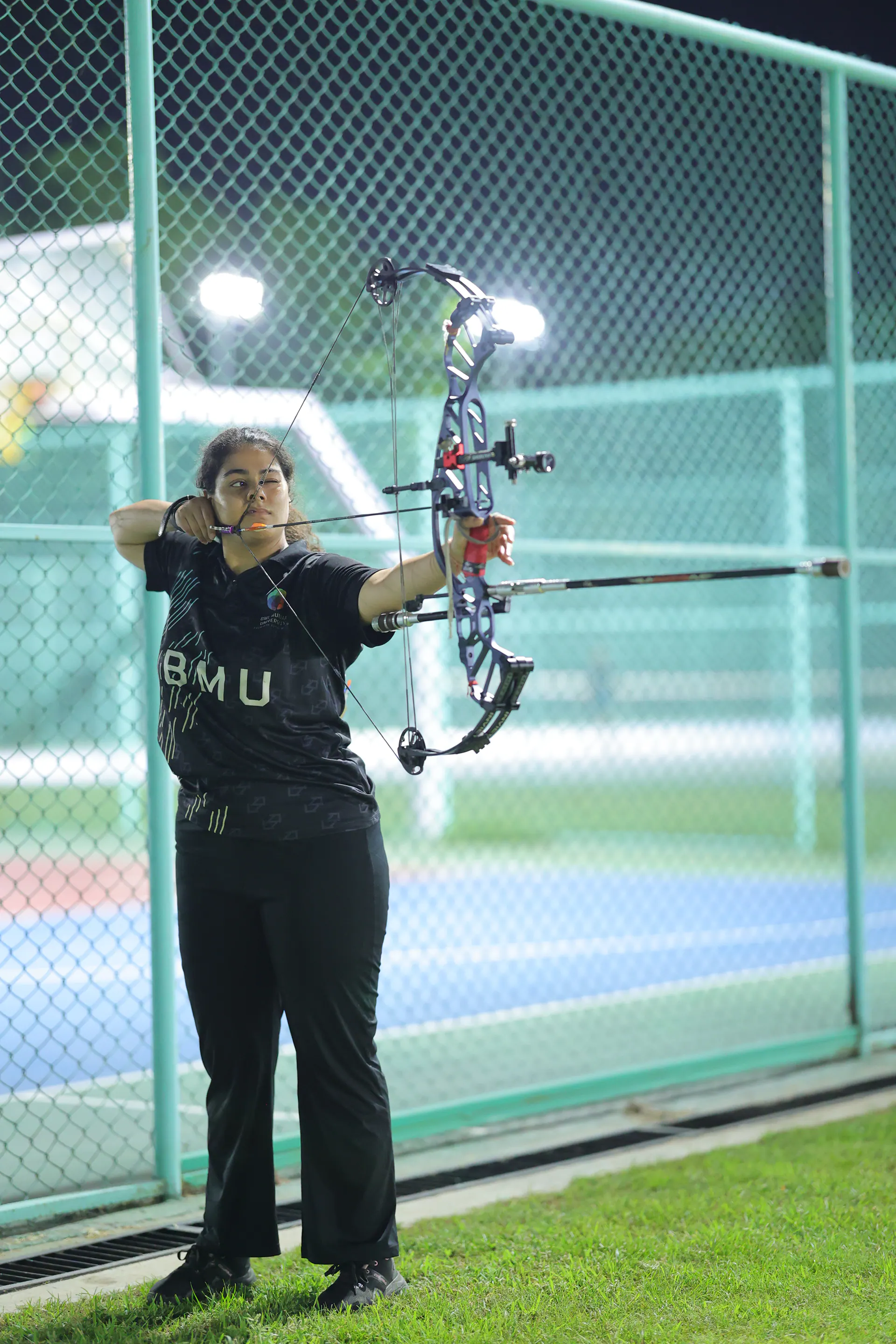
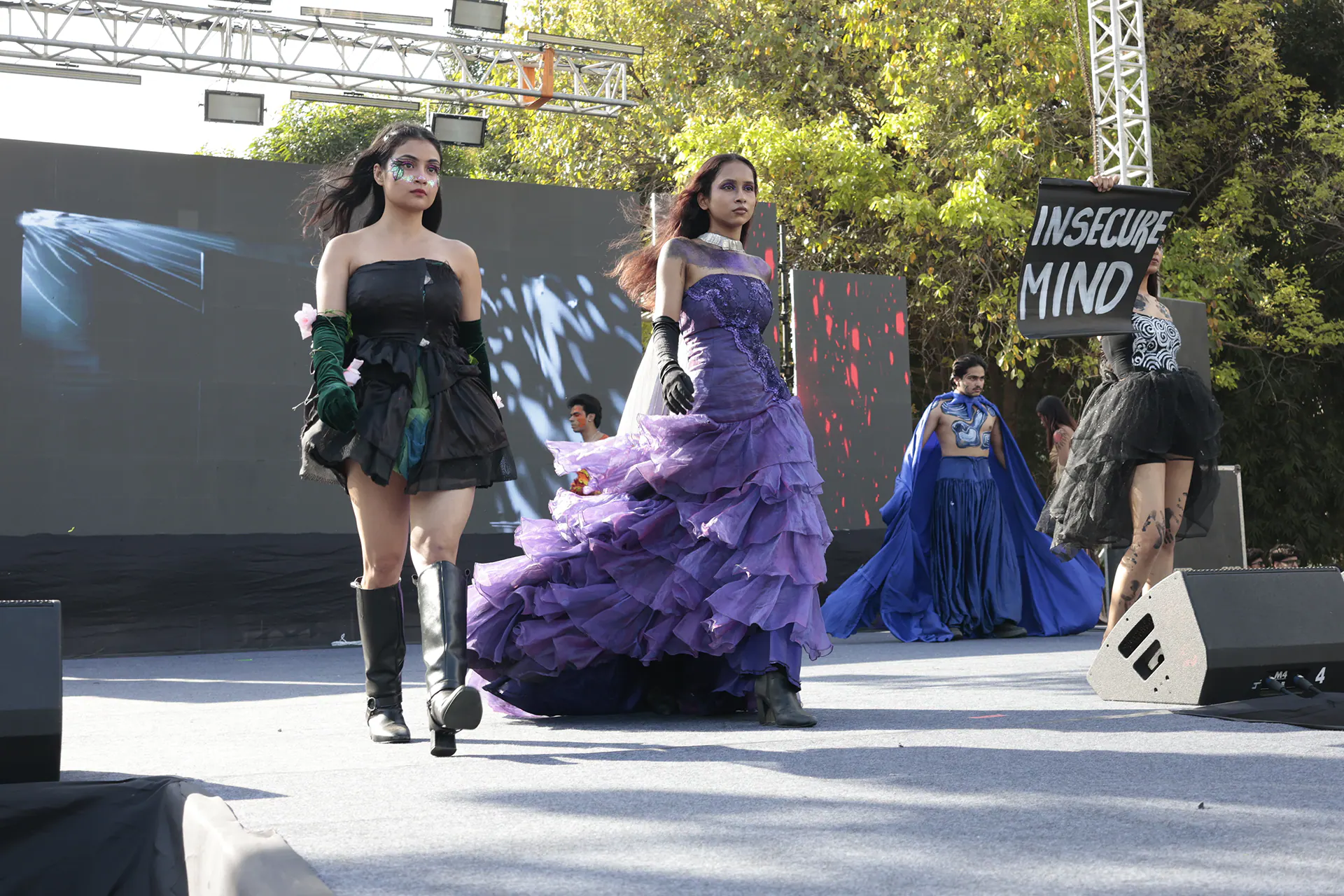
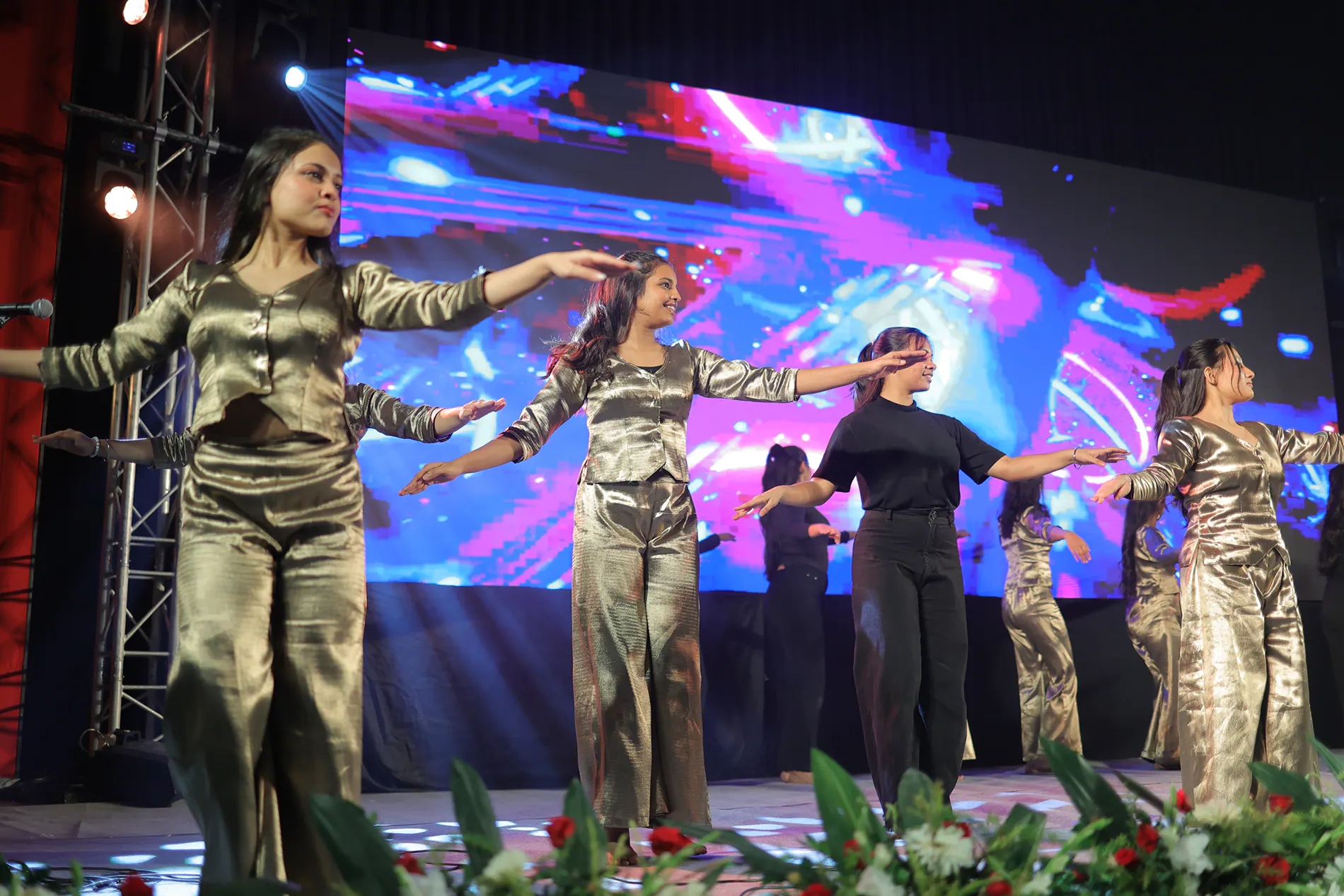
Placement figures relate to the 2022–26 cohort. Individual outcomes vary.Vibrant clubs, spirited societies, fests and a campus that never sits still. The two years here are as much about the people you become as the degree you earn. Vibrant clubs, spirited societies, fests and a campus that never sits still. The time here is as much about the people you become as the degree you earn.

Explore programmes, eligibility, fees and scholarships.

Major in life.
Build your engineering foundation at BMU.
Explore programmes, eligibility, fees and
scholarships.
Major in life.