The Centre for Public Policy and Governance (CPPG) at BML Munjal University is an interdisciplinary academic and policy space dedicated to advancing rigorous, ethically grounded, and empirically informed public policy scholarship that meaningfully bridges research and practice.
CPPG advances its aims through rigorous interdisciplinary research, field-based engagement, and evidence-driven policy analysis focused on inequality, sustainability, and institutional governance. The Centre seeks to strengthen policymaking processes, foster informed public dialogue, and build capacity through teaching and training, translating scholarly insight into actionable contributions to public policy.
Through evidence-based and field-engaged research, inclusive multi-stakeholder dialogue, and collaborative teaching and learning—including the Master of Public Policy programme the Centre integrates interdisciplinary perspectives, and ethical, behavioural, and institutional foundations of public action. CPPG seeks to strengthen policy institutions, connect theory with implementation, and respond to contemporary transformations in governance, while contributing to an equitable, sustainable, and just society.

Professor and Director of Centre for Public Policy and Governance
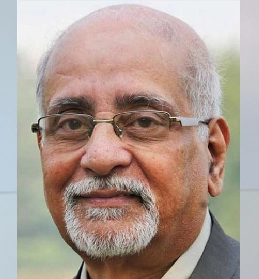
Distinguished Professor in Economics and Public Policy
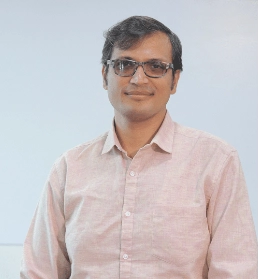
Assistant Professor

Assistant Professor
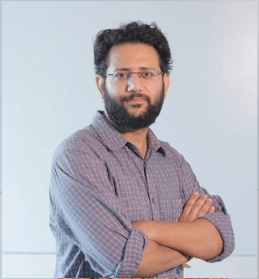
Assistant Professor
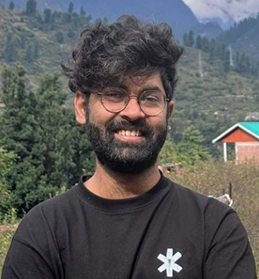
Research Associate at the Centre for Public Policy and Governance
To be decided
For future opportunities
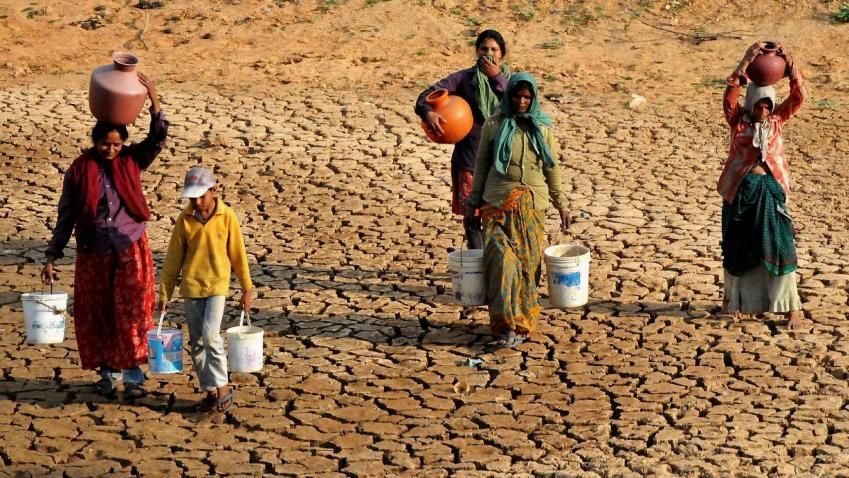
CPPG’s research programme is interdisciplinary, ethically informed, and empirically anchored. It combines conceptual analysis, institutional mapping, and systematic field engagement to generate scholarly and actionable insights for more equitable, sustainable, and accountable policymaking.
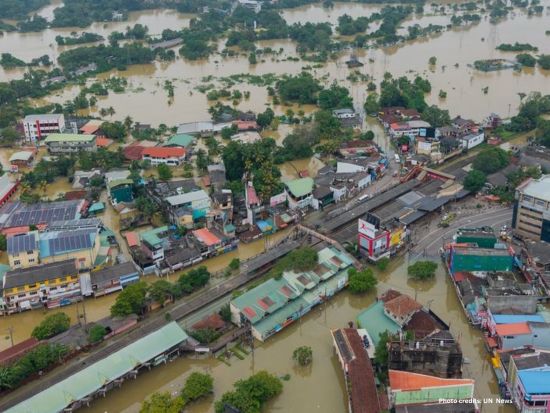
CPPG’s work is organised around three interconnected thematic areas:
Through these we examine livelihoods, consumption, ecological vulnerability, distributive justice, institutional design, regulation, accountability, well-being, social trust, and the role of values in sustaining democratic and economic life.
Theme: Employment, Structural Change, and Livelihoods in Haryana
The Centre is undertaking a research project examining the Haryana State Employment of Local Candidates Act, 2020 through a case study of the Rewari industrial cluster, one of North India’s largest engineering hubs. The project investigates employment structures, hiring practices, and skill requirements across industrial units, while also examining the alignment between industry needs and training provided by local Industrial Training Institutes (ITIs). Situating the policy within the region’s political economy, the study analyses the interactions between state policy, private industry, and local labour markets. The research aims to generate insights for future public policy initiatives on employment generation, skill development, and regional industrial growth.
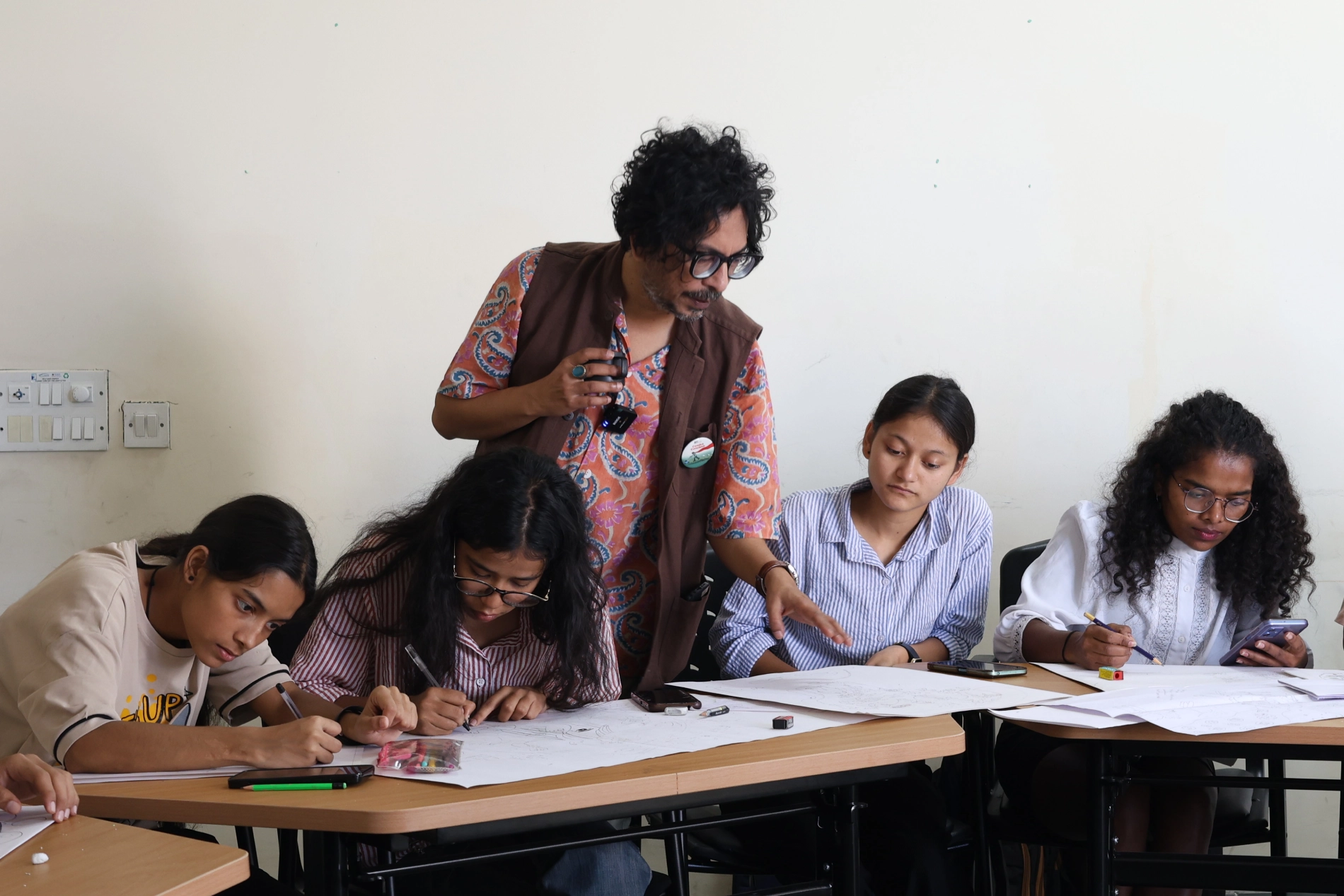
The MA in Public Policy at BML Munjal University is a practice-oriented programme that engages with contemporary policy challenges and public decision-making.
The program is anchored by the Centre for Public Policy & Governance.
CPPG facilitates:
Students engage with Centre activities and ongoing research, situating academic inquiry within governance practice.
The public policy programme offers a range of specialisation tracks for the students to choose from::
These tracks allow students to deepen their engagement within specific policy sectors while applying interdisciplinary analytical tools developed during the program.
To know more about the Masters of Arts in Public Policy - Read Here
To apply for the Program -Click Here
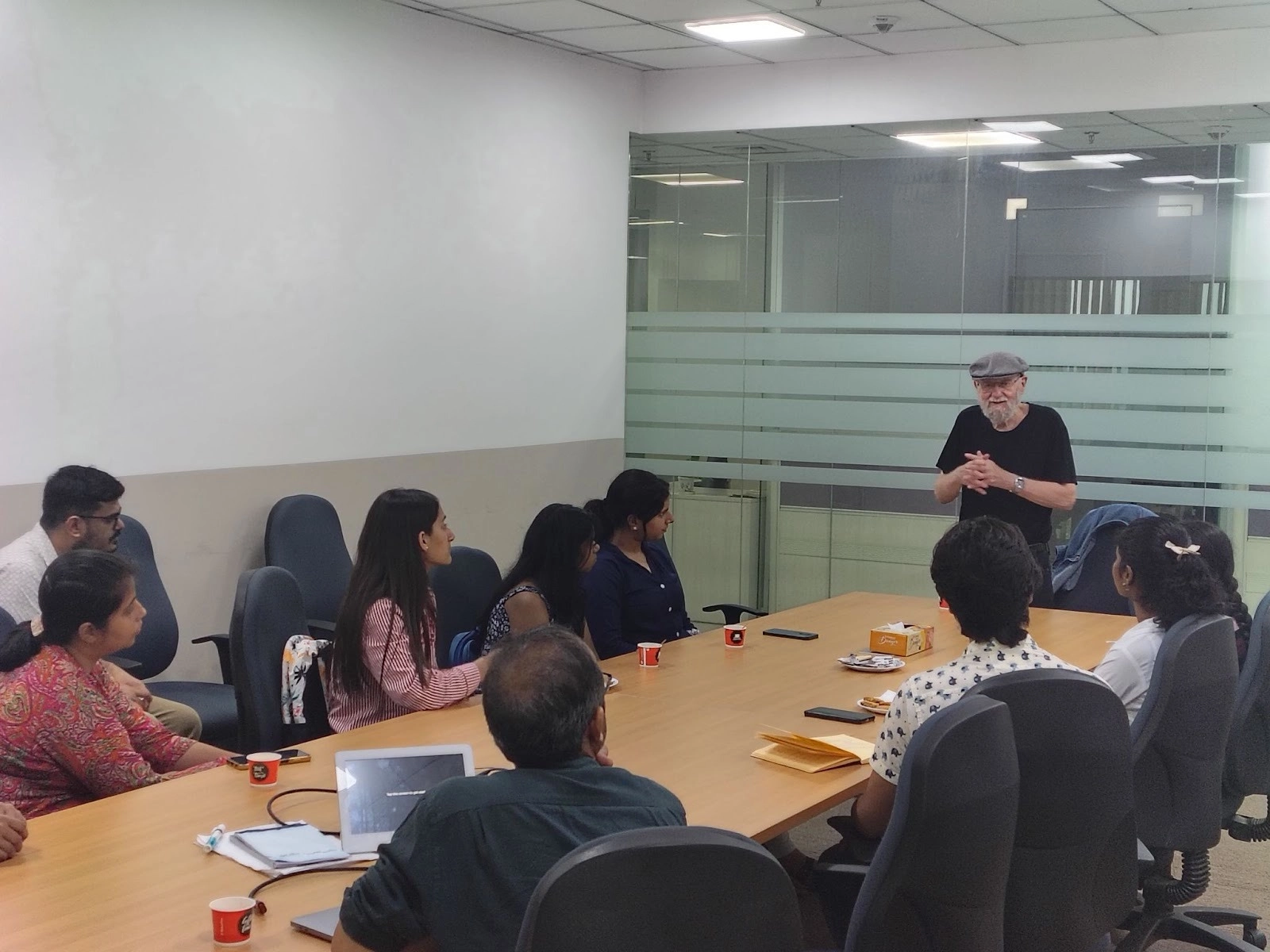
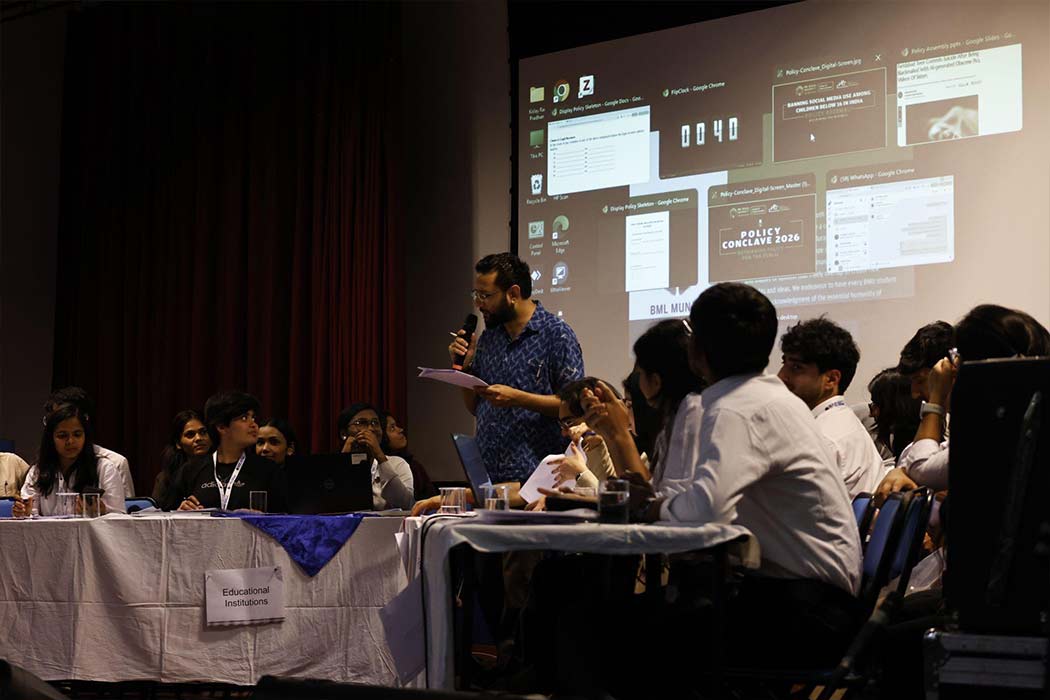
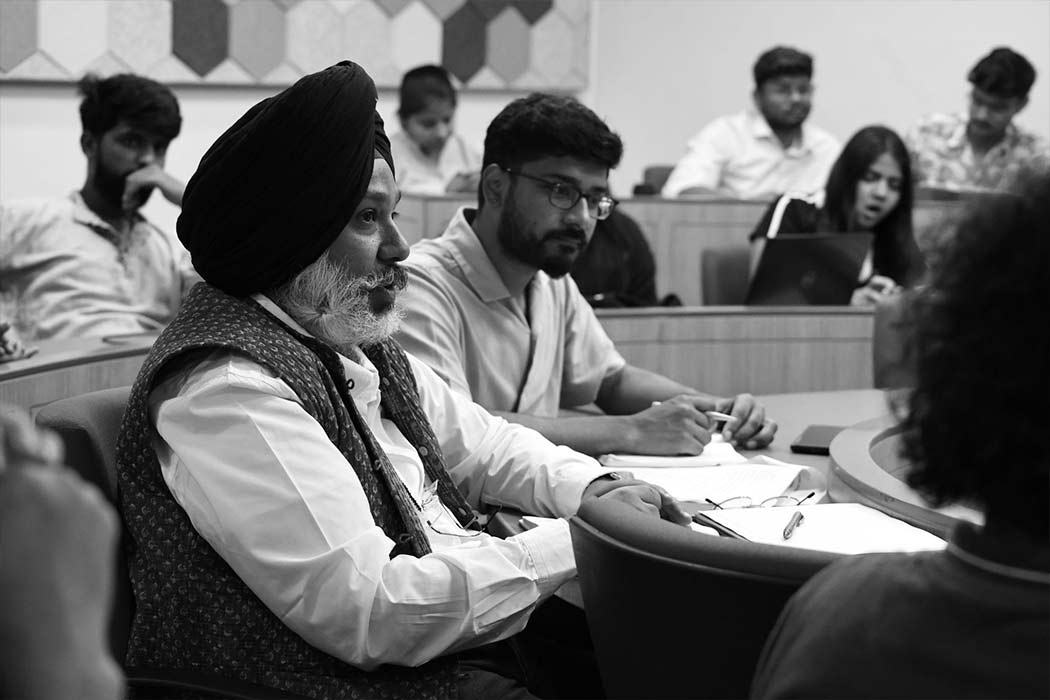
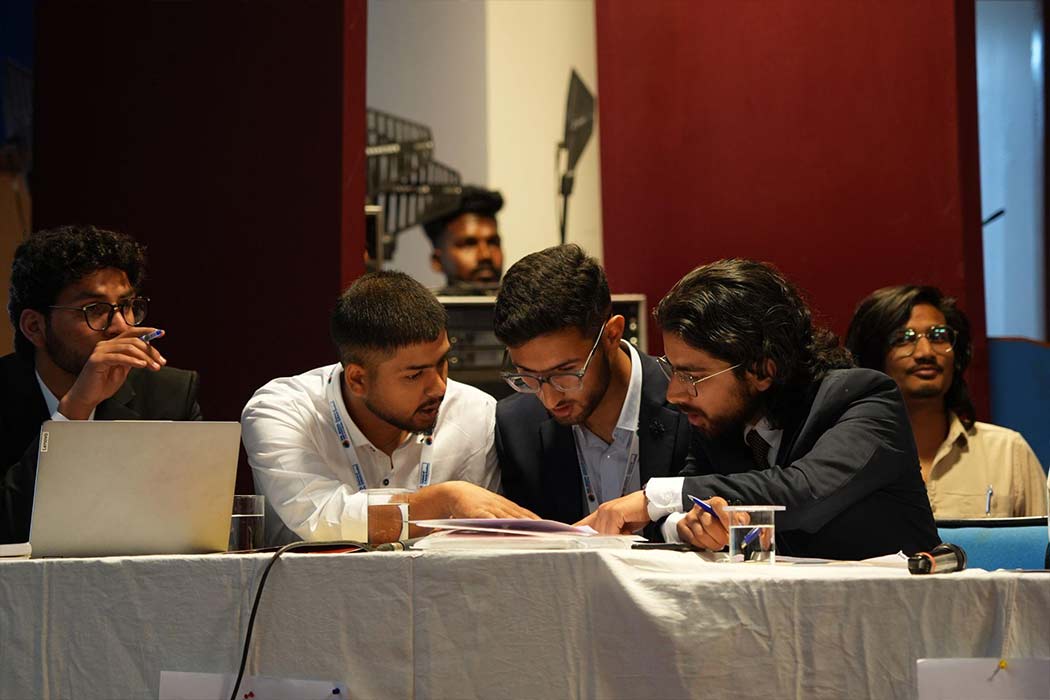

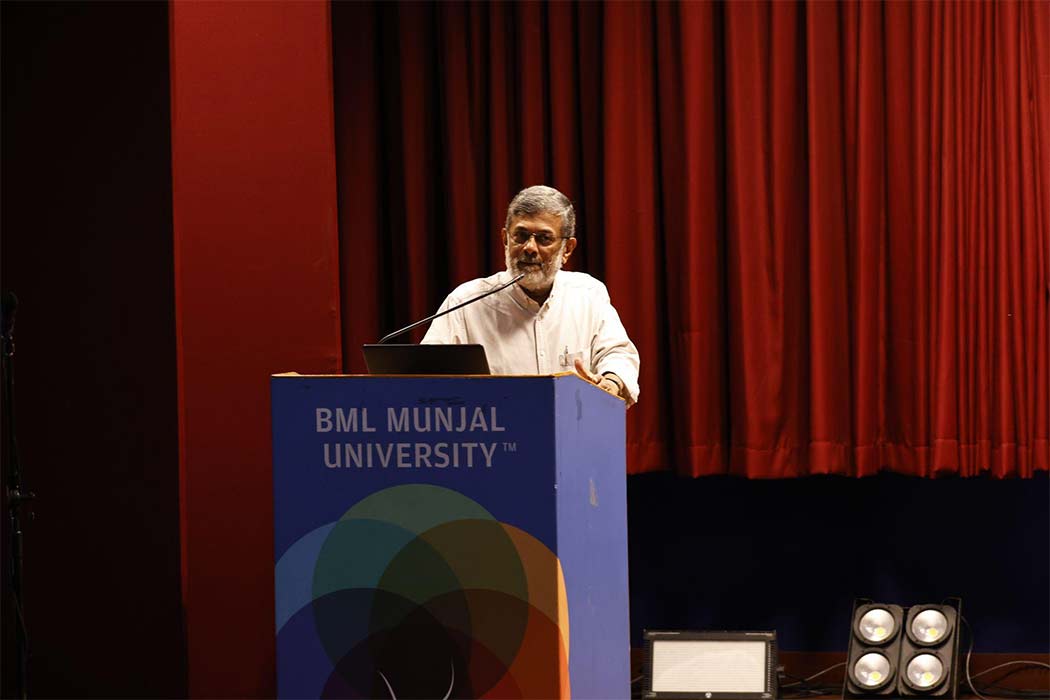
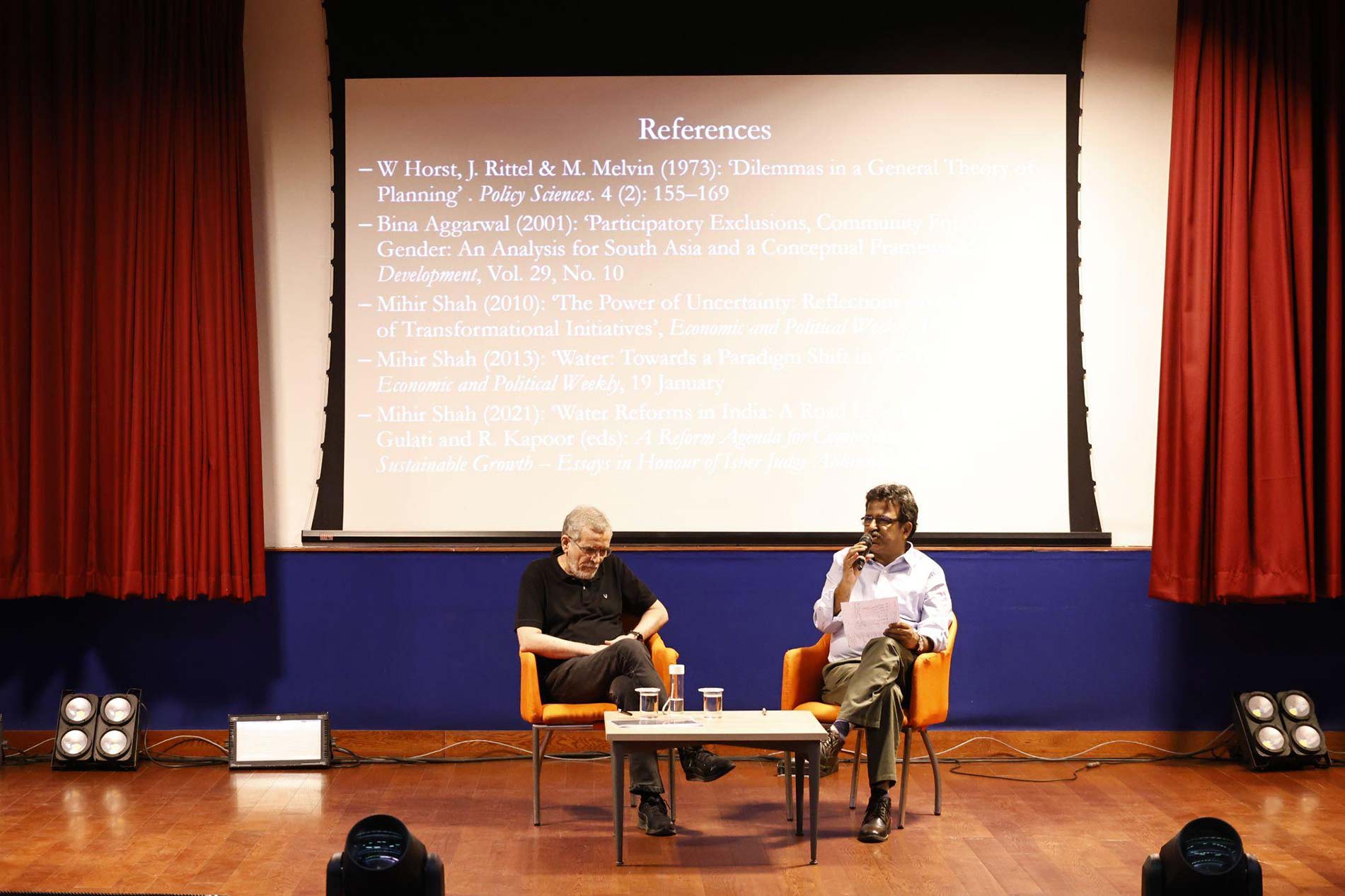
The Policy Conclave 2026, centred on the theme “Rethinking Policy for the Public,” marked an engaging and intellectually vibrant day at the BML Munjal University campus. The conclave commenced with a keynote lecture by Mihir Shah on “Public Policy in Practice: Navigating the Real World.” Drawing from his extensive experience as a leading public policy practitioner and former member of the Planning Commission, his address offered participants valuable insights into the complexities, challenges, and lived realities of policymaking in India.
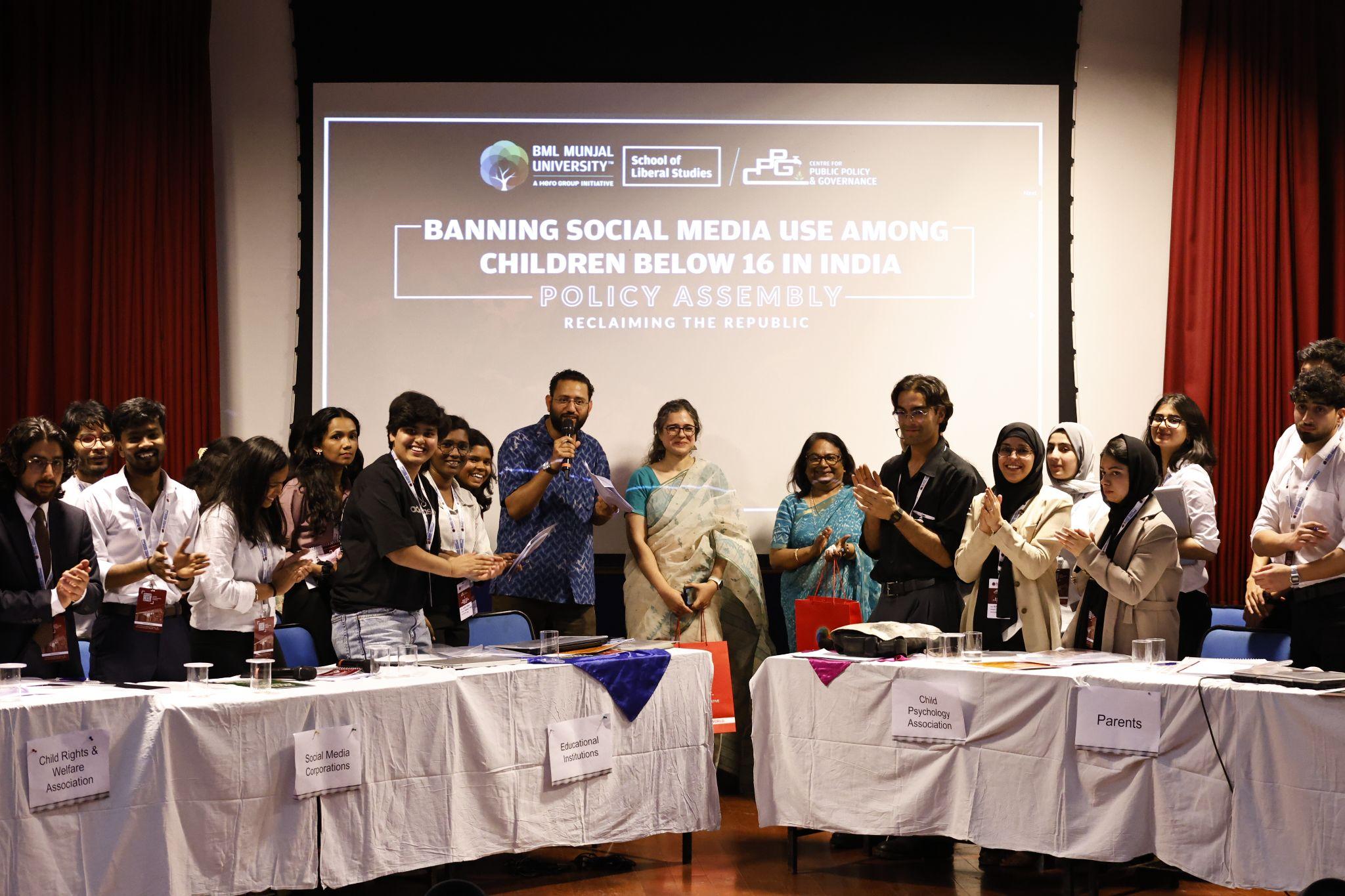
Following the lecture, the Policy Assembly brought together six student teams from diverse institutions across the country. Each team represented different stakeholders and engaged in a structured deliberation on the motion: “Banning social media use among children below 16 years of age in India.” The assembly was marked by thoughtful debate, negotiation, and collaboration, ultimately leading to a consensus among the stakeholders—demonstrating the power of dialogue in shaping policy outcomes.
The conclave also featured a Policy Jam, a dynamic competition focused on transforming policy ideas into compelling and accessible communication formats. This segment encouraged participants to think creatively about how policy can be effectively conveyed to broader audiences.
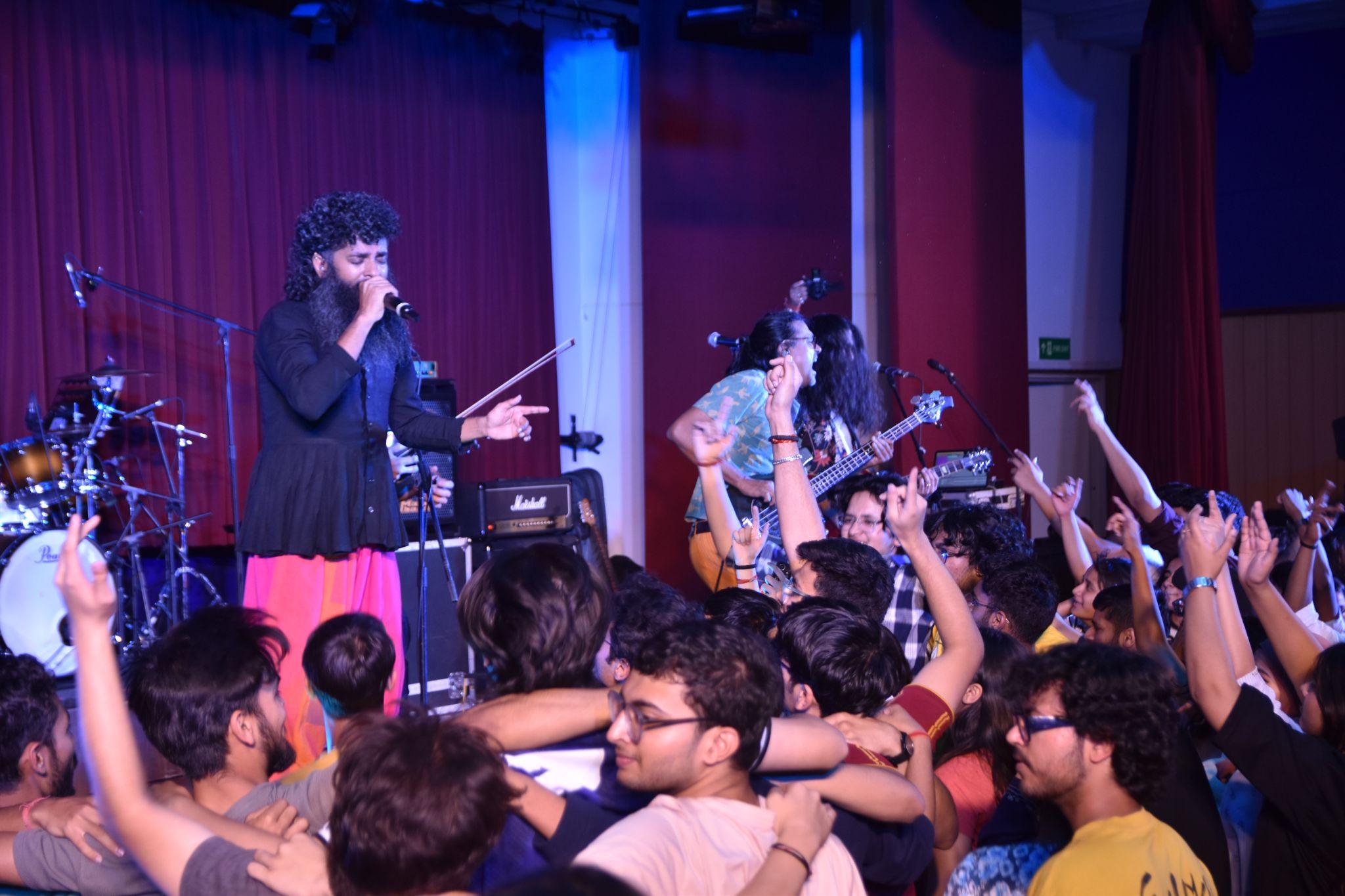
The day concluded on a high note with an energetic and captivating performance by Swarathma, who brought the conclave to a memorable close. Known for their distinctive folk-fusion sound, Swarathma blends contemporary music with Indian roots, powerful storytelling, and socially conscious themes, creating an immersive and high-energy live experience that resonated deeply with the audience.
The Policy Assembly was a key highlight of the conclave, designed as an immersive exercise in collaborative policymaking. Centred on the motion “Banning social media use among children below 16 years of age in India,” the assembly brought together six student teams from institutions across the country, each representing a different stakeholder perspective.
The discussion moved beyond conventional debate, encouraging participants to engage with the issue through the lens of policy design, feasibility, and societal impact. Teams navigated competing priorities—balancing concerns around child safety, digital access, individual freedoms, and regulatory challenges—while working toward a shared outcome. Through rounds of deliberation and negotiation, the assembly fostered a space for critical thinking, persuasion, and compromise.
Ultimately, the exercise culminated in a consensus among the stakeholders, reflecting a considered and multidimensional approach to the issue. The Policy Assembly thus demonstrated how dialogue-driven processes can lead to more grounded and inclusive policy solutions.
Policy Jam: Communicating
Policies work only when people understand them. Policy Jam session challenged students to translate complex policy issues into clear, compelling messages for specific audiences.
The event concluded with a live performance by Swarathma, the acclaimed contemporary folk band known for using music and storytelling to bring social and environmental issues to life.