
School of
Law

picsart banner
Enquire Now Apply Now
close

    Admissions Open 2026


    Turn your
    passion into
    practice

    Studying law at BMU will build analytical, interpretation and communication skills that will open diverse national and international opportunities for you. You will learn from faculty with qualifications from the best international universities and from highly qualified practitioners. Through BMU SOL’s exclusive mentor–mentee programme, law students get direct access to personalised mentorship of distinguished legal experts like Justice J. R. Midha, former Judge of the Delhi High Court.

    Law at BMU has a multidisciplinary and international orientation with equal emphasis on learning the ‘black letter law’, developing professional skills and understanding the social, political and moral foundations of law. This is achieved through the School of Law’s rigorous interdisciplinary and experiential pedagogy that includes new-age and industry-ready electives such as AI and Law, Data Privacy Laws, EU Competition Law, Sports Law and Mergers & Acquisitions. The School prioritises practical, research-based education that builds problem-solving abilities and the capacity to work in teams to tackle global and local problems.

    BMU offers five-year integrated courses in BA LLB (Hons) and BBA LLB(Hons), a three-year LLB degree and a PhD in law. The curriculum is externally reviewed by internationally renowned academics and practitioners and courses are approved by the Bar Council of India. Plus, the small batch size and 1:9 faculty-student ratio ensure a more tailored and impactful learning experience.
    CLRT

    sol

    SOL: By the numbers

    03

    Programmes

    15+

    Representation From States

    100%

    Internships

    80%

    Faculty With International Qualifications

    Dean's message

    Welcome to the School of Law! In 2014, BML Munjal University started with the motto of cultivating ethical leaders for the future: leaders in society, politics, and industry, equipped to shape responses to rapid socio-economic, technological, and environmental change. Lawyers are integral to that vision. They interpret and shape the very rules setting out the grammar of our social existence. At the School of Law, we foster conditions for young minds to grow into scientifically minded and constitutionally rooted lawyers with a forward-looking and ethical approach.

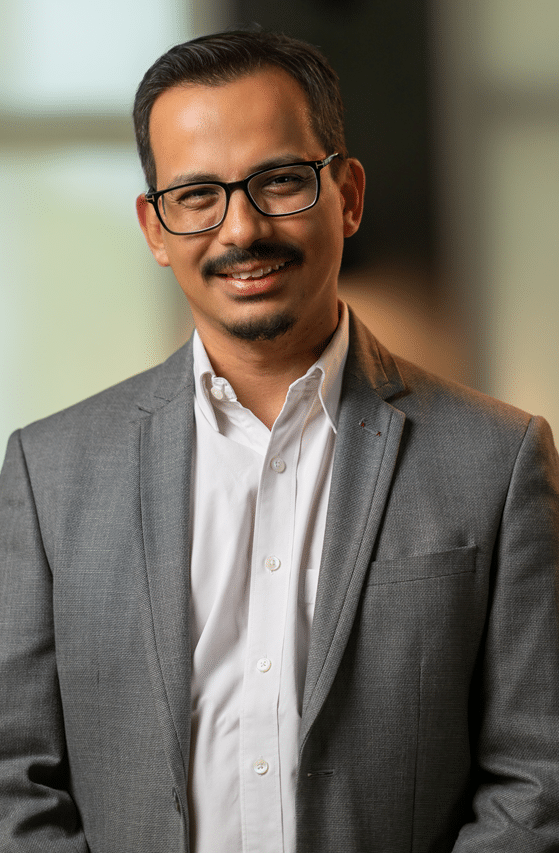
    Prof. (Dr.) Pritam Baruah

    Dean, School of Law
    Pritam Baruah
    Quote Icon

    Defining tomorrow's
    legal landscape

    The School of Law at BMU redefines legal education, empowering students to make a significant impact on a global stage and advocate for justice in people’s lives.

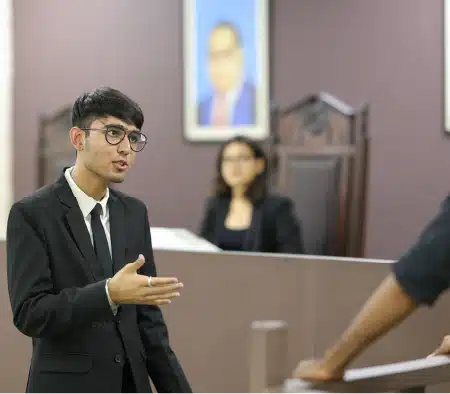
    Courtroom on campus

    Moot Courts & Mock Trials

    Expert Faculty

    Mentorship from top legal experts

    Collaboration with top universities

    Collaboration with top universities

    Hero Group

    Benefit from Hero Group’s network

    45% Experiential Learning

    45% Experiential Learning

    Practice School

    Practice School

    Clinical Program

    Student-run Legal Aid Clinics

    Academic collaborations

    We’ve partnered with renowned academic institutions to give our students the competitive advantage necessary to
    excel in the legal field.

    ausburg
    Duke University
    Durham
    Syracuse University
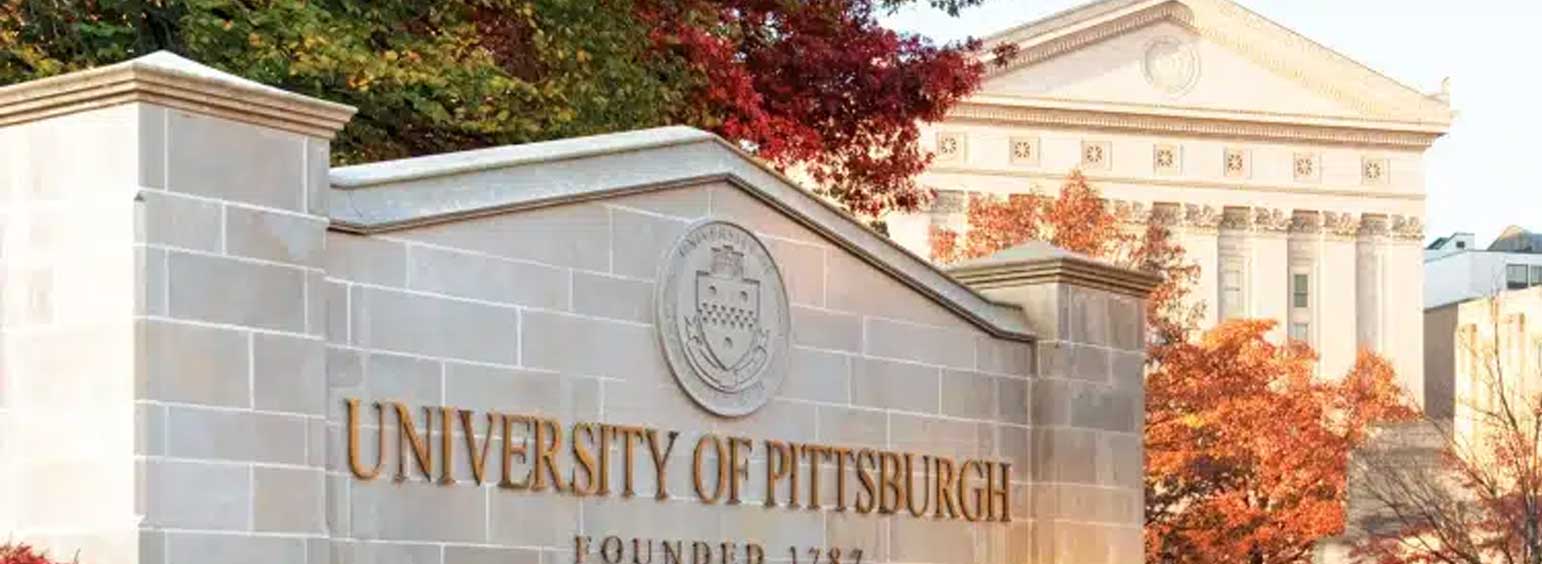
    University Of Pitusberg
    auslogo
    dukelogo
    Durham's School Of Law
    Syracuse College of Law
    Pitusberg School Of Law

    Advisory committee

    Ajay Bahl

    Ajay Bahl

    Co-Founder
    Managing Partner AZB Partners
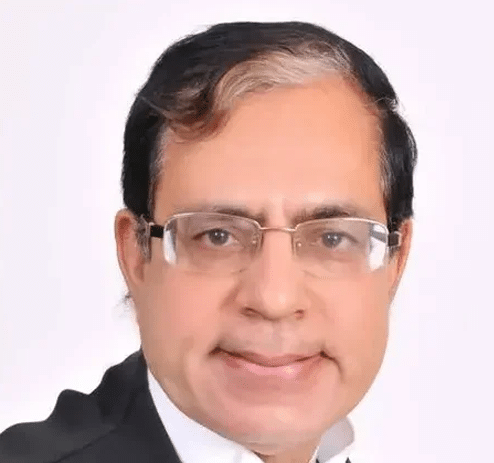
    Arjan Sikri

    Justice (retd.) Arjan Sikri

    Former Judge
    Supreme Court of India
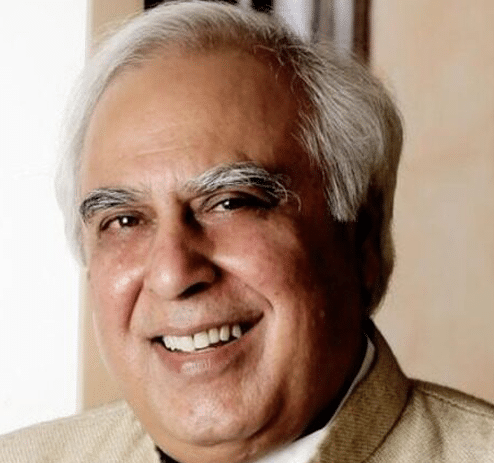
    Kapil Sibal

    Kapil Sibal

    Member of the Rajya Sabha
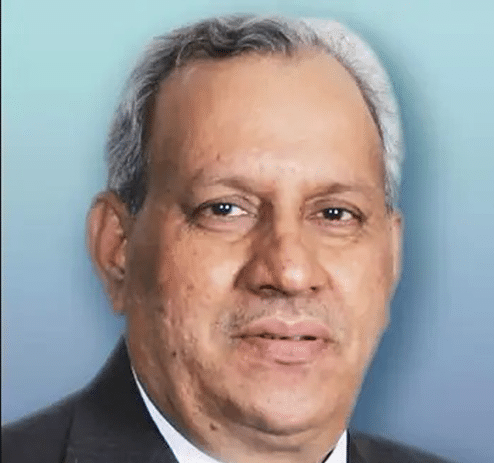
    Prof. Ranbir Singh

    Prof. Ranbir Singh

    Vice Chancellor
    National Law University, Delhi

    Zia Mody

    Zia Mody

    Corporate Lawyer; managing &
    founding partner, AZB & Partners
    Rohit De

    Rohit De

    Department of History,
    Yale University

    Tarunabh Khaitan

    Tarunabh Khaitan

    Professor of Law and Vice Dean, Faculty of Law, Oxford
    University
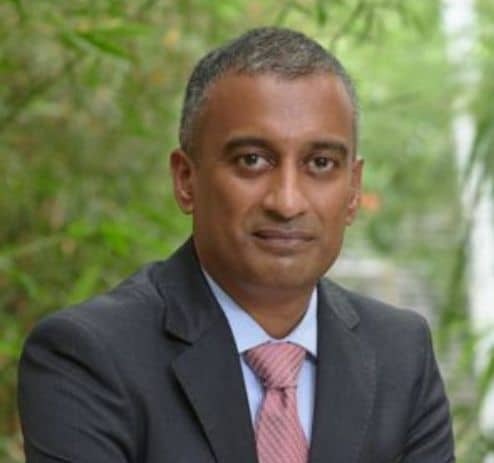
    Prof. Sudhir Krishnaswamy

    Prof. Sudhir Krishnaswamy

    Vice Chancellor,
    National Law School of India
    University, Bangalore

    Philipp Dann

    Philipp Dann

    Chair of Public and Comparative
    Law,
    Humboldt University, Berlin
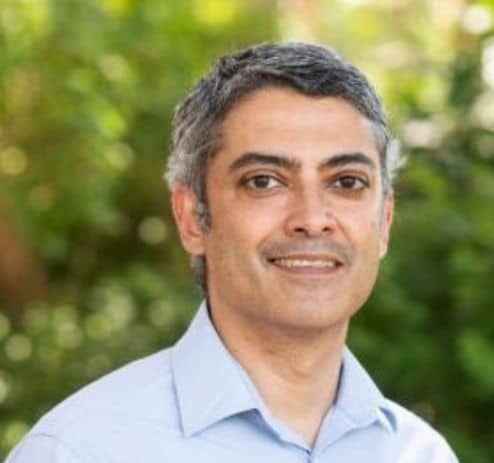
    Dev Ganjee

    Dev Ganjee

    Professor,
    Intellectual Property Law, University of Oxford

    Farrah Ahmed

    Farrah Ahmed

    Professor of Law, Melbourne Law School

    Student Stories

    sol_img1
    Prabir Sandhu’s Internship with a High Court Judge
    sol_img2
    Building Legal Careers with International Experience
    sol_img3
    CV Workshop: Translating Success into Opportunity
    sol_img4
    Constitution Day: Where Law Meets Lived Experience
    sol_img5
    Learning Inclusion Through BMU's Legal Aid Clinic
    sol_img6
    Inside India's Correctional System: Nayonika’s Internship Experience
    sol_img7
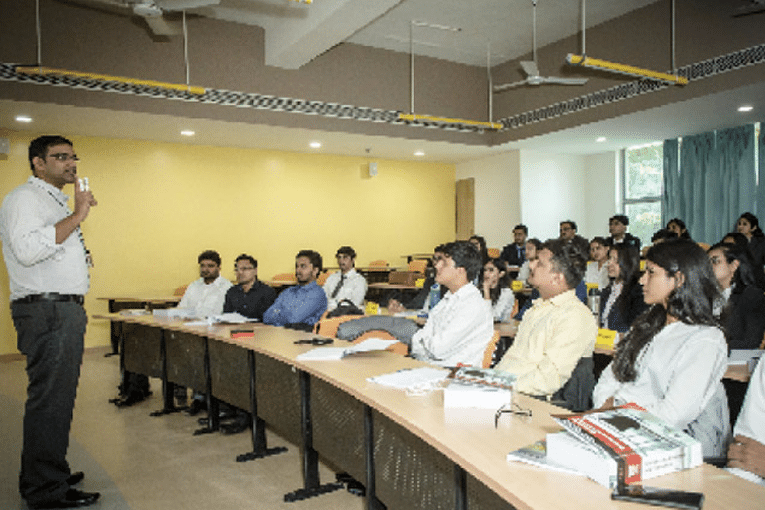
    Freshers' Debate: Making Room for New Voices
    sol_img8
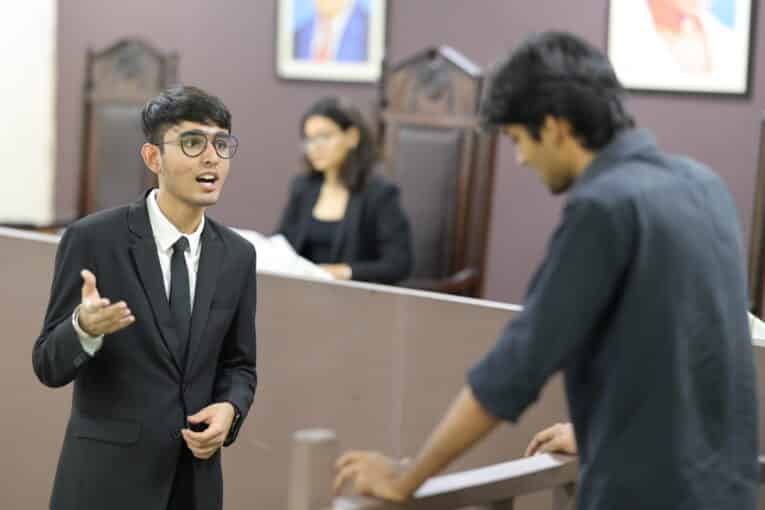
    Where the Constitution Comes Alive: Moot Court Experience
    sol_img9
    Climate Communication: From Theory to Active Advocacy
    sol_img10
    Tarushi's Internship: Learning Law at the Supreme Court

    Many law students worry that real-world experience comes too late. For Prabhir Sandu, a first-year at BMU’s School of Law, it began early, with an internship alongside Hon’ble Mr. Justice J.R. Midha (Retd.). He gained exposure to the International Arbitration Centre and foundational skills in legal drafting. “The experience opened professional avenues I never thought possible so early,” he shares. Through mandatory internships and a distinguished legal network, BMU students don’t just learn textbook law, they practice it from day one.

    A domestic legal education no longer suffices for global careers. BMU law students participated in an International Immersion Programme at UCSI University Malaysia, exploring the critical intersection of technology and law. The week examined how Artificial Intelligence is transforming the legal landscape worldwide. Such workshops, integral to BMU’s pedagogy, provide experiences that transcend traditional classrooms. Students return equipped with cross-cultural perspectives and the skills to excel on the international stage, ready for borderless legal practice.

    A CV is a candidate’s first and most critical argument. Recognising this, BMU’s Student Internship and Placement Coordination Committee (SIPCC) hosted a strategic CV Drafting Workshop for law students. The session demonstrated how to effectively highlight moot court achievements, internships, and research with impact. By mastering foundational skills like CV crafting, students learned to translate their experiences into compelling narratives. This initiative reflects BMU’s commitment to holistic professional development, equipping students not just to apply, but to confidently build the legal careers they aspire to.

    For Constitution Day, the School of Law curated a week of academic engagements, including a lecture by Justice (Retd.) Abhay S. Oka, panel discussions on constitutional democracy, and a faculty–student debate on religious expression. An interactive exhibition by #ReclaimConstitution sparked dialogue beyond textbooks. For student Prabir Sandhu, the debate stood out: “This was among the most intellectually rigorous engagements I’ve experienced in seven years of debating.” These experiences quietly shape how students understand legal thinking as something practiced, tested, and refined.

    The most important legal lessons come from working with real cases. Through BMU’s Legal Aid Clinic, students engage directly with disability rights and inclusion, and partner with organizations like the Office of the Chief Commissioner for Persons with Disabilities and India Vision Foundation. Students draft complaints, prepare case notes, and assist lawyers in ongoing cases, receiving guidance from experienced professionals. Beyond legal work, they participate in national events on accessibility. These experiences build practical skills while preparing confident lawyers committed to justice and meaningful inclusion.

    Nayonika’s internship at the Institute of Correctional Administration under the Ministry of Home Affairs connected law to real-world justice. She attended workshops with police and correctional officers on prison management, prisoner rights, custodial violence, and India’s new criminal laws. Learning from Mr. Girish Pandey, former Superintendent of Tihar Jail, brought the theory to life. “This internship helped me understand how custodial systems actually function,” she shares. Field visits to police stations and de-addiction centres revealed why reform, dignity, and accountability matter in the pursuit of justice.

    The first weeks of university arrive with uncertainty—new corridors, unfamiliar rhythms. Within this delicate beginning, Club LiQuiD’s Freshers’ Debate extended a week-long invitation to the craft of argument. Across knockout rounds in turncoat and Asian Parliamentary formats, first-year students defended opposing sides and learned to think beyond certainty. They discovered the power of pausing, of holding ground without silencing another. By the end, many carried more than technique. They carried a steadier voice and the courage to use it.

    In a moot courtroom, the Constitution isn’t just read, it’s argued. At the Smt Shakuntala Devi 2nd International Moot Court Competition 2025, Ayushi Sharma, Tarushi Garg, and Arvind Mehta represented BMU, tackling key constitutional issues and fundamental rights. “Instead of just reading landmark judgments, we were applying Articles 14, 19, and 21 to a real problem,” Ayushi shared. The team advanced to the semi-finals, returning with sharper skills and deeper understanding. Mooting at BMU transforms textbook knowledge into the practiced art of legal argument.

    Talking about climate change is one thing. Making people listen and act is another. At the week-long Climate Communication Bootcamp, as part of BMU’s Climate Leadership Programme, students moved from theory to practice. They simulated policy decisions, participated in climate games and hands-on workshops, and visited research centers like TERI. For students passionate about change, this is where learning gets real. They gained tools not just to understand the world’s biggest challenge, but to actively communicate solutions for it. Watch their journey here: [Instagram Reel Link]

    Tarushi Garg interned at the chambers of Gourab Banerji, where matters were argued before the Supreme Court of India. She read past judgments, prepared structured notes, and observed how business and arbitration disputes are carefully constructed. “Reading the bare law was not enough. I had to go through earlier cases to understand how courts actually use it,” she reflects. Assisting in framing cross-examination questions revealed how legal reasoning grows sharper through practice, patience, and thoughtful questioning.

    Women’s Inheritance Rights
    and Child Health Outcomes in Kenya

    Author : Ajefu J., Uchenna E., Singh N., Ali S.Z.
    Year : 2023

    Looking Beyond “Human”: Animal and the Kashmiri Resistance Movement

    Author : Gupta U
    Year : 2023

    Adjudication on issues of culture in India: In conversation with Advocate Shadan Farasat

    Author : Kishwar S.D., Singh S., Nandal H.
    Year : 2023

    Research for
    impact

    The BML Munjal University (BMU) aims to be a leading research university that fosters quality, impactful, and applicable research. BMU’s founding charter clearly expresses the commitment to be recognised as an institution of excellence in teaching and research.

    Real stories. Real Impact.

    Untitled design (4)

    Meet Divya Jayaram,
    School of Law

    In April, I participated in a moot court competition in Dehradun, facing many hurdles. With my teammates struggling and last-minute setbacks, we discovered a major flaw in our argument right before the competition. Desperate, we called Satya Sir at 2 AM, who guided us through a solution. Thanks to his help and the support from other faculty, we adjusted our approach just in time. Despite the odds, we finished as runner-up—a win shaped by teamwork, determination, and unwavering mentorship.

    News
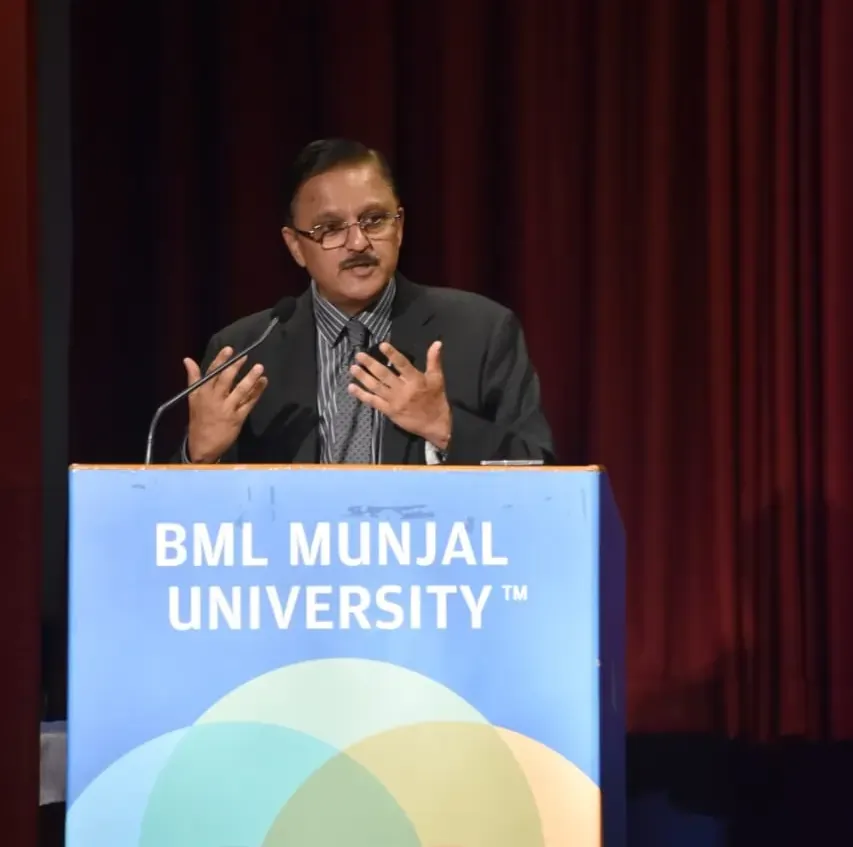
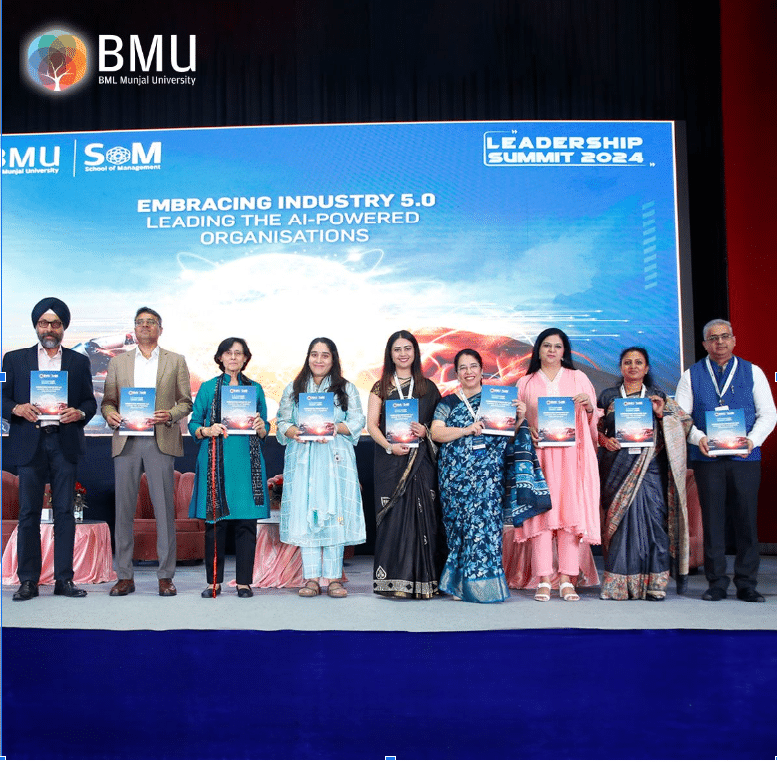
    5th Leadership Summit
    4th SoLS Conversation
    BMU's 9th Convocation