School of
Liberal Studies


Where Curiosity
Meets Creativity
The School of Liberal Studies at BML Munjal University has evolved into a vibrant intellectual ecosystem where ideas intersect, disciplines converse and students are encouraged to question inherited assumptions. Rooted in immersive and research-oriented learning, the School pushes learners to rewrite long-established narratives and chart distinctive pathways across a diverse range of fields, including public policy, finance, human resources, science communication, environmental studies, research, public administration, media and the arts.
Under the guidance of world-class faculty hailing from top national and international universities, the School aims to empower students to build a strong interdisciplinary foundation that prepares them for an increasingly complex world. Through close mentorship and dedicated career counselling, students craft purposeful career trajectories that enable them to achieve not only their professional aspirations but also personal and civic goals.
SoLS: By the numbers
5
Majors
100%
Students on some form of scholarship
50%
of the Programme Follows
Immersive Pedagogy
5:1
Student-Faculty
Ratio
Dean's Message
A rapidly transforming world comes with its own uncertainties. As Artificial Intelligence gets integrated into our life and social processes, it is imperative to make sense of socio-economic, cultural and institutional changes in a holistic manner. Liberal Studies enables critical thinking alongside an immersive engagement with the real-world issues and their various challenges. Young minds are inspired to create knowledge at the frontiers and design policies that are sustainable. Blending perspectives with cutting-edge skills and pairing the capacity to ask difficult questions with an empathetic approach lends a life-long relevance to liberal education.
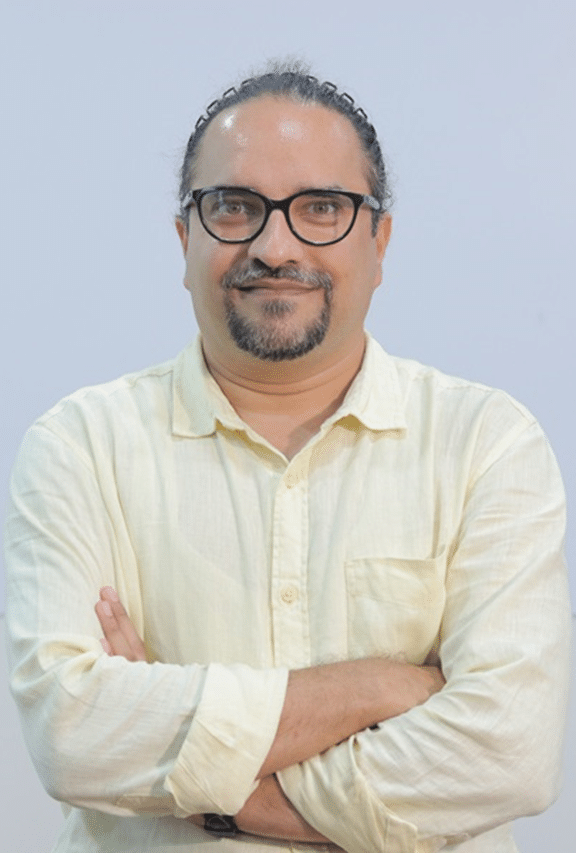
Prof. Arindam Banerjee
Dean, School of Liberal Studies

Don't just think outside the box—
reimagine the box itself
BMU’s School of Liberal Studies students will learn to think critically, communicate effectively, and engage with diverse perspectives, equipping them with the skills to navigate complex global challenges and become impactful leaders in their fields.
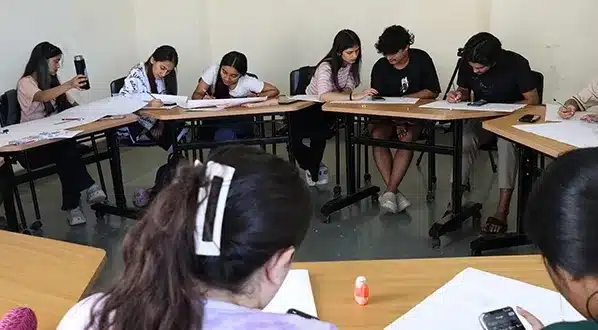
Design your programme
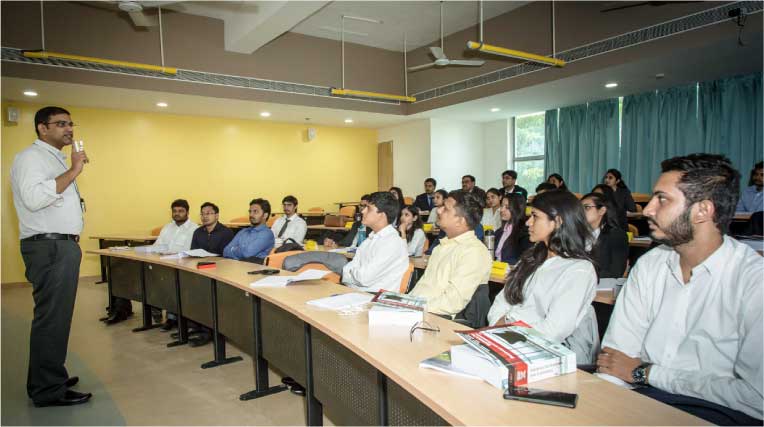
Expert faculty
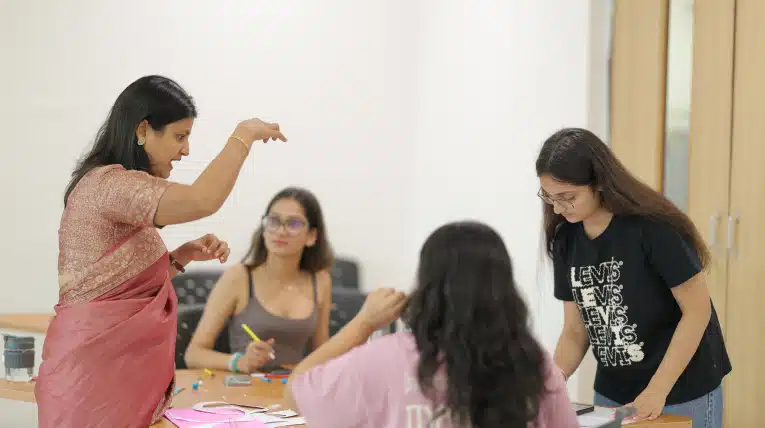
Hone communication, critical thinking, and problem-solving skills
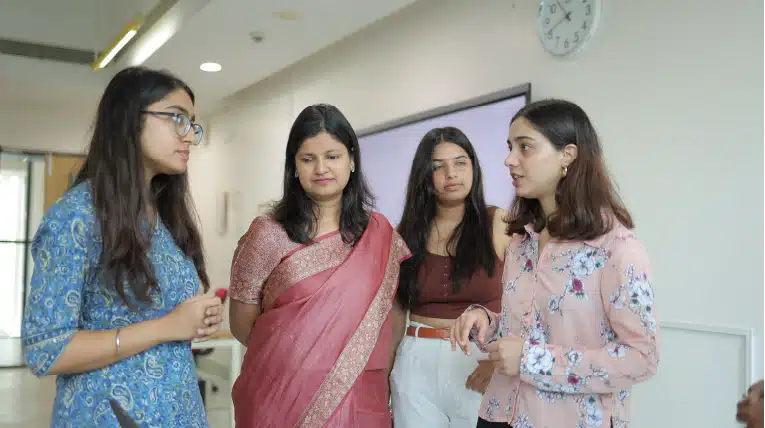
Individual research, internships, and vocational training in final year
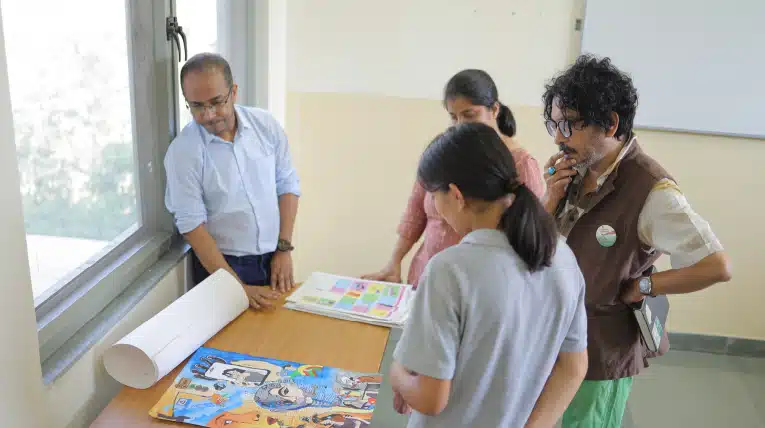
45% experiential learning
Global Opportunities through immersive programmes
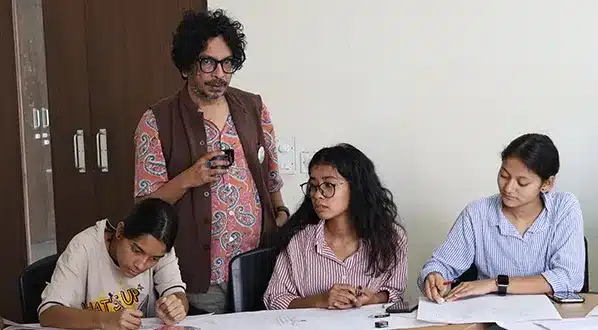
Interdisciplinary perspective
Visiting Faculty
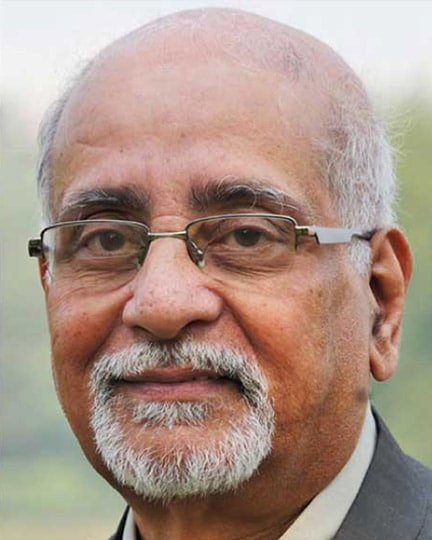
Chiranjib Sen
Distinguished Professor, School of Liberal Studies
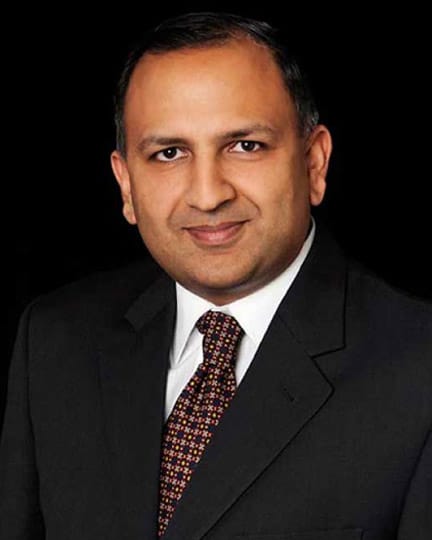
Pratap Bhanu Mehta
Distinguished Visiting Professor, School of Liberal Studies
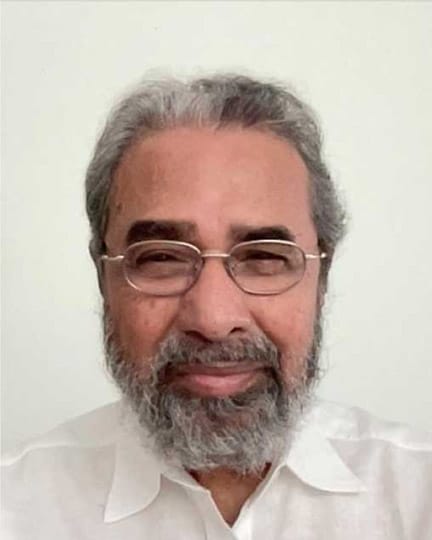
Chandan Mukherjee
Distinguished Visiting Professor, School of Liberal Studies
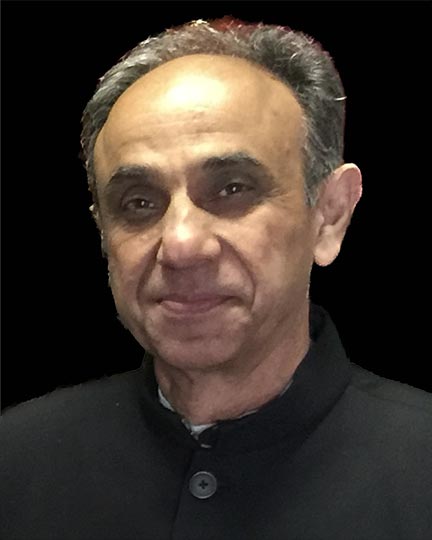
Ashwani Saith, PhD
Emeritus Dean, SoLS
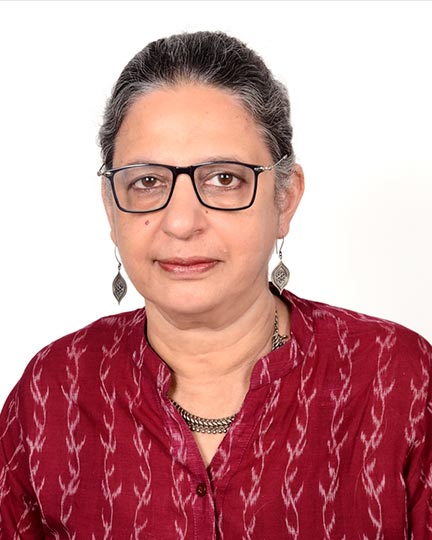
Rachana Johri, PhD
Distinguished Visiting Professor
Student Stories

Exploring Diversity Through Immersion in Rajasthan

Understanding Sustainability Beyond the Classroom

Chewang’s Internship Experience with a Human Rights Campaign- Karwan-e-Mohabbat

Young Indians BMU: Where Students Practice Responsibility

Understanding Childhood: A Centre for Empathy and Action

Learning from the Field: Alwar Immersion Experience

Climate Communication: From Theory to Active Advocacy

Showing Up for Safer Roads: Kanchan's Story
Research for
Impact
At the School of Liberal Studies, we are not merely observers of progress but architects of change. With an unwavering commitment to pioneering research, we forge paths redefining the fabric of academia and society. Our faculty and doctoral scholars stand as vanguards, their relentless pursuit of knowledge reflected in their prolific contributions to esteemed publications.
Real Stories. Real Impact.

Anshu Verma
A journey that pushed me to think beyond boundaries and grow in ways I hadn’t imagined before. Coming from a structured academic background, stepping into an environment that encouraged curiosity, questioning and interdisciplinary learning was both refreshing and transformative.
One of the most valuable aspects of this journey has been the constant encouragement to step beyond comfort zones and embrace new ways of learning. This has helped me grow not only as a student but also as an individual who is more aware, adaptable and ready to take on challenges.

Shivani Bist
When I joined BMU for Liberal Studies, I was determined to pursue Economics, but the foundation courses in the 1st year opened a new world for me. I studied almost everything and practised everything—from stage plays to directing a film—and in that one year, I realised there were possibilities beyond one major and that I was capable of doing it all. It has pushed me to make an effort at every instance, to learn new things—from thinking deeply to writing, acting and managing teams.
You may join the School of Liberal Studies (SoLS) timid, shy and with a narrow horizon—SoLS will make sure to change you, give you a voice and expand your horizons. You will be a changed person every year.
News