
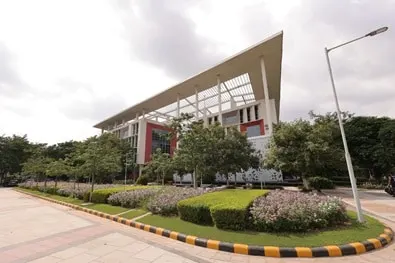


Admissions Enquiry
About BA (Hons) Economics
The BA (Hons) Economics programme at the School of Liberal Studies provides students a deep understanding of the economy through a holistic and immersive learning approach, encouraging active engagement and critical thinking. The programme enables students to study economics in real-world contexts while incorporating insights from other disciplines. Key sub-disciplines within economics, such as microeconomics, macroeconomics, development economics, international economics, political economy, economic history and quantitative analysis, are introduced through both theoretical and experiential learning approaches.
Students engage with a range of theoretical frameworks, including classical, neo-classical, political economy, Keynesian and post-Keynesian and feminist economics, in an integrated manner. The programme aims to develop economists with a global outlook who are also deeply grounded in the social and cultural realities of the Global South.
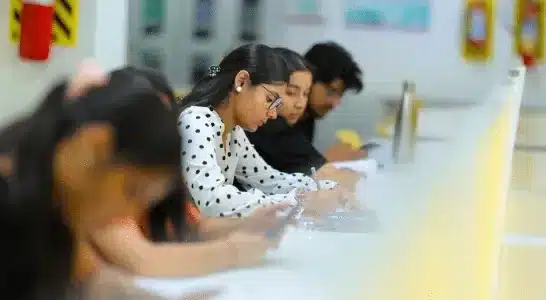
Programme Overview
Duration: 4 Years
Eligibility: 12th standard from any recognised board
Admission Process: Application Form Submission + BMU SAT, which includes Case Study & Faculty Interaction
Tuition Fee: ₹5,50,000 per year (scholarships available)
Economic Challenges That Matter
Throughout the programme, students are encouraged to engage critically with contemporary economic challenges, such as:
The programme also equips students with strong empirical skills through statistical and econometric training, enabling them to work with Indian and international datasets.
Learning Outcomes
- Analyse economic systems as historically and socially situated
- Apply formal models of allocation and coordination to real institutional settings
- Interpret empirical data rigorously using statistical and econometric tools
- Evaluate development strategies in relation to equity and sustainability
- Examine how economic decisions shape long-term prosperity and social cooperation
- Conduct interdisciplinary research addressing contemporary economic challenges
Why Pursue BA (Hons) Economics from BMU?
At BMU, we empower students to embrace the future with confidence. Through our comprehensive approach, we equip them with the skills and expertise not only to thrive in their chosen field but also to excel across diverse disciplines.

Immersive Learning Opportunities
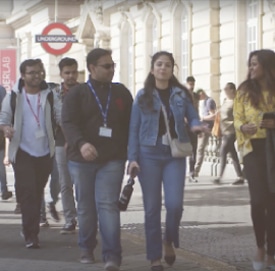
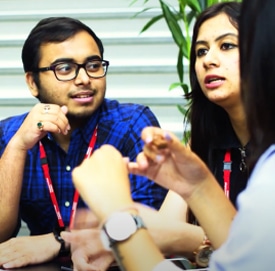
Experience learning beyond the classroom through a structured four-year journey. Engage in fieldwork, community projects and applied research, guided by faculty and practitioners, to connect economic theory with real-world challenges and build practical insights.
Design Your Programme
In the fourth semester, students work with faculty mentors to choose a major or a double major that aligns with their academic and career goals. They can also pursue up to two minors, allowing them to explore diverse interests and gain additional expertise.
Partnerships & Collaborations












Top Career Pathways After BA (Hons) Economics
A BA (Hons) Economics from BML Munjal University equips students with strong analytical and quantitative skills to excel across diverse economic and policy domains. Here are some of the top career pathways graduates often pursue:




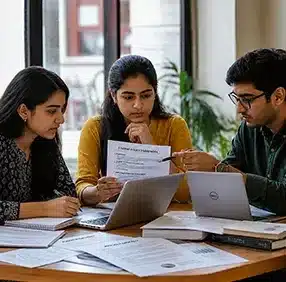



Real stories. Real impact.

Anshu Verma
A journey that pushed me to think beyond boundaries and grow in ways I hadn’t imagined before. Coming from a structured academic background, stepping into an environment that encouraged curiosity, questioning and interdisciplinary learning was both refreshing and transformative.
One of the most valuable aspects of this journey has been the constant encouragement to step beyond comfort zones and embrace new ways of learning. This has helped me grow not only as a student but also as an individual who is more aware, adaptable and ready to take on challenges.

Shivani Bist
When I joined BMU for Liberal Studies, I was determined to pursue Economics, but the foundation courses in the 1st year opened a new world for me. I studied almost everything and practised everything—from stage plays to directing a film—and in that one year, I realised there were possibilities beyond one major and that I was capable of doing it all. It has pushed me to make an effort at every instance, to learn new things—from thinking deeply to writing, acting and managing teams.
You may join the School of Liberal Studies (SoLS) timid, shy and with a narrow horizon—SoLS will make sure to change you, give you a voice and expand your horizons. You will be a changed person every year.

Siddharth Rawat
My name is Siddharth Rawat, a third-year Economics student at the School of Liberal Studies, BML Munjal University. I chose BMU for its interdisciplinary curriculum, focus on critical thinking and real-world learning. A key highlight of my journey was interning with TVS Social Trust in Pune, where I developed communication, research, public speaking and project management skills while contributing to rural development initiatives. Serving as President of the Student Council further strengthened my leadership and decision-making abilities. BMU’s supportive faculty, immersive learning experiences and vibrant campus environment have played a significant role in my personal and professional growth.

Niharika
Hi, I’m Niharika, a third-year Liberal Studies student at BML Munjal University, majoring in Economics. I chose Liberal Studies for its flexibility, interdisciplinary approach and focus on critical thinking. BMU’s small, discussion-driven classes and supportive faculty create an engaging learning environment that encourages curiosity and questioning. Immersion learning, through field visits and community interactions, helped me connect academic concepts with real-world social and economic issues. My internship further enhanced this understanding by providing practical exposure to development initiatives. BMU has played a key role in shaping me into a more confident, grounded and socially aware individual.
Life
on Campus
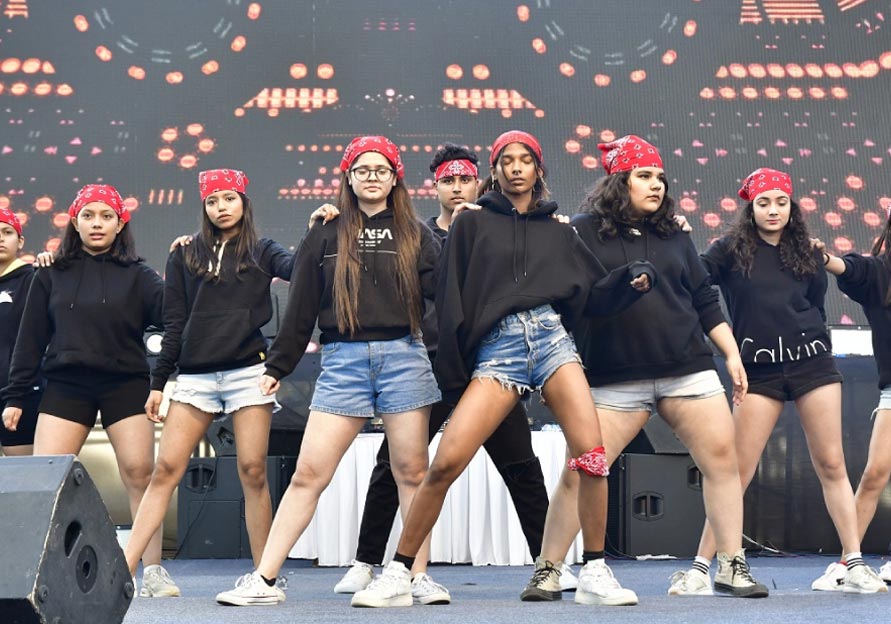
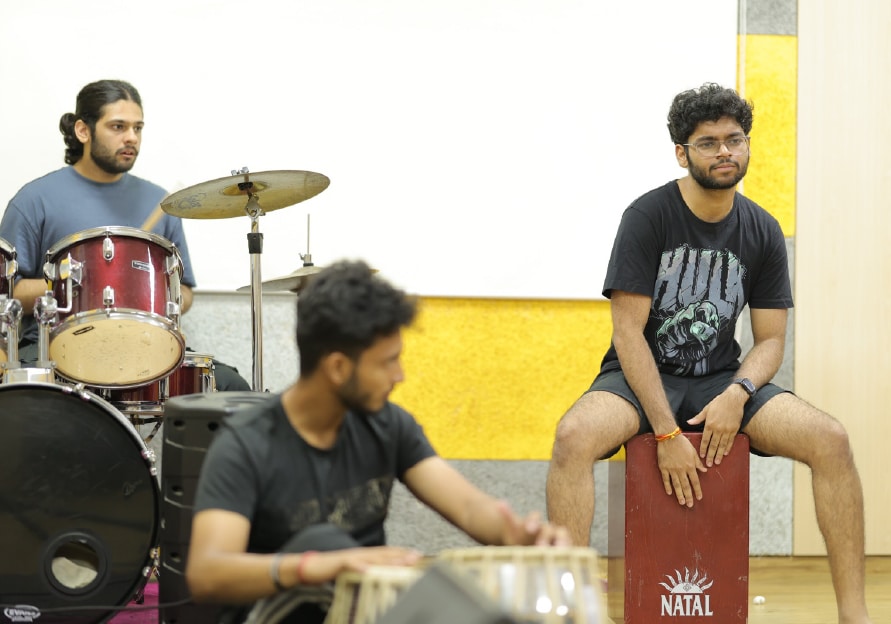
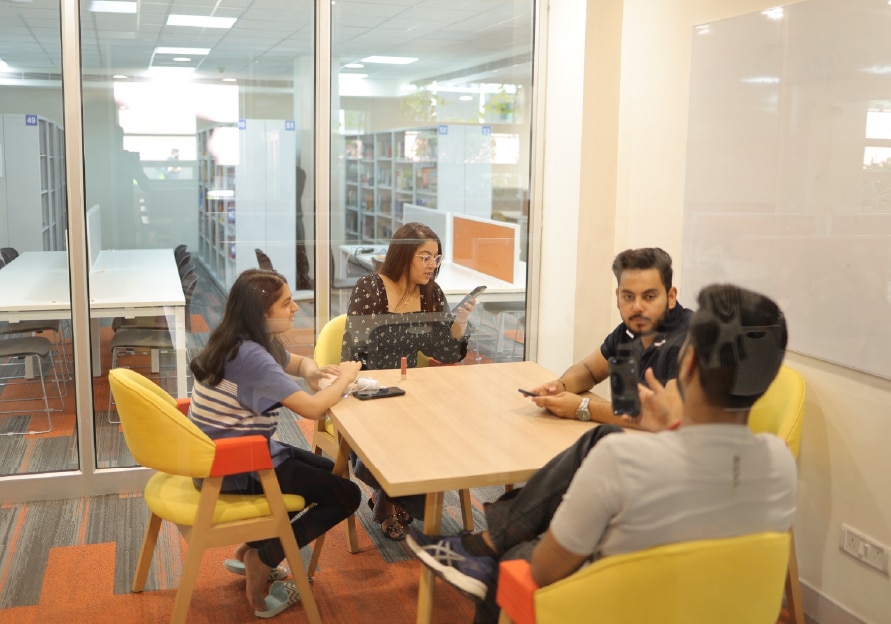
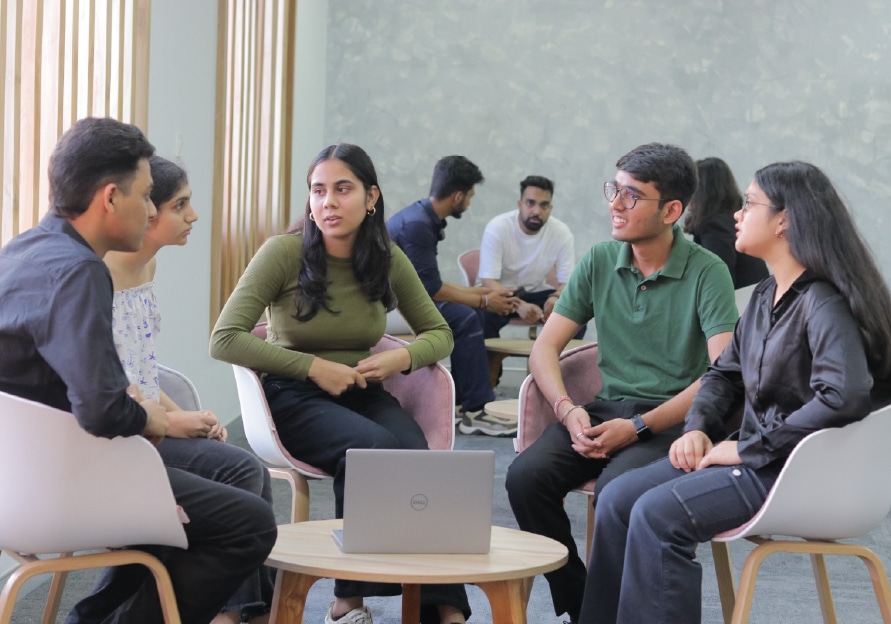
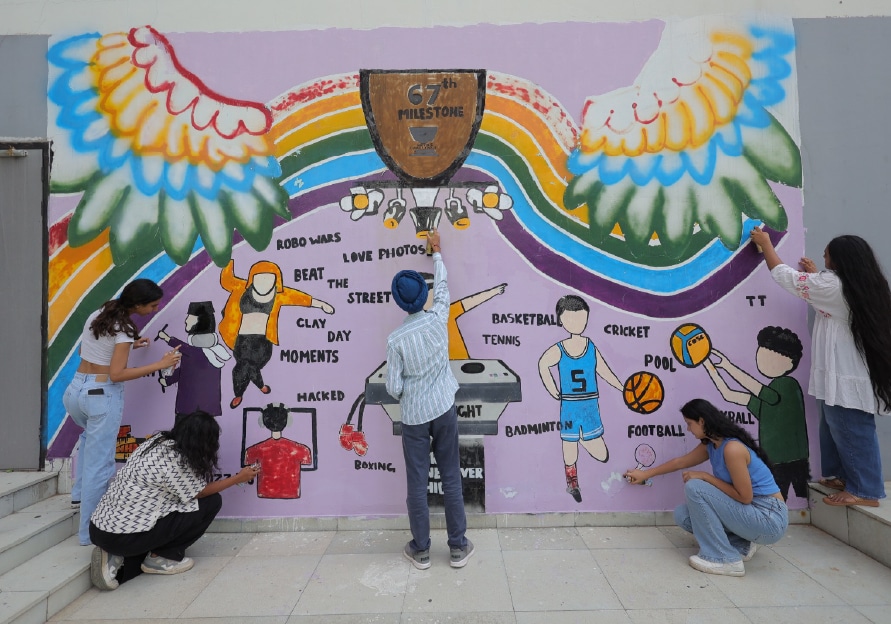
Life on campus at BMU is an adventure ride filled with endless possibilities and vibrant energy! Be it bustling cafeterias that serve delicious snacks or student clubs hosting exciting events there’s never a dull moment. You can stroll through lush gardens or chill with friends in cosy hangout spots where you will make memories of a lifetime. Life on campus at BMU is where there’s something for everyone — be it sports, arts, state of the facilities to relax and have fun!
Frequently Asked Questions
It is an undergraduate programme covering microeconomics, macroeconomics, development and policy. At BMU, it integrates economics with social and interdisciplinary perspectives.
BMU offers interdisciplinary learning, strong quantitative training and real-world immersion with a Global South focus.
At BMU, the core subjects include microeconomics, macroeconomics, econometrics, development economics and international trade.
Yes, it includes mathematics, statistics and econometrics for data analysis.
You will develop analytical thinking, data interpretation, problem-solving and research skills. At BMU, the programme also builds interdisciplinary understanding, critical thinking and the ability to apply economic concepts to real-world policy and development challenges.
Graduates can explore careers in a diverse range of sectors, including consulting, finance, public policy, research and development.
Yes, you can pursue postgraduate studies in economics, public policy and related fields.
Yes, it offers strong career prospects in data-driven and policy-focused roles.
BA (Hons) Economics at BMU is a four-year undergraduate programme.
The BMU admission process includes application submission, the BMU SAT and a personal interview.