
The Benefits of an Integrated BBA MBA: Career Growth & How It Compares to Traditional MBA


Summary: The benefits of pursuing an Integrated BBA MBA include early career planning, time saving, cost-effectiveness and continuous education after Class 12. Know how this integrated management programme helps you build essential business skills and shape careers in finance, marketing, HR and entrepreneurship, along with understanding the difference between an integrated BBA MBA and traditional MBA for better career planning.

Integrated BBA MBA programmes are becoming increasingly popular among students who want to start building management careers right after Class 12. What makes these programmes stand out is the momentum they are building on their own.
According to recent reports, the integrated management education market is currently growing at a 15% CAGR, with integrated BBA MBA graduates reporting a 72% employability rate compared to 54% for traditional MBA graduates. Around 78% of employers also indicate a preference for candidates with continuous, uninterrupted management education.
So if you are a Class 12th student considering a career in business or leadership, understanding how the benefits of an integrated BBA MBA can help you make a more informed decision.
Top 7 Benefits of Pursuing an Integrated BBA MBA Programme
Choosing an integrated BBA MBA programme isn't just about finishing quicker; it's about establishing a solid foundation. Over five years, this pathway offers valuable career clarity and industry exposure that a traditional route may not provide. Here are seven key advantages to consider-
1. Early Career Planning
One of the biggest integrated BBA MBA benefits is early career direction.
You begin learning management concepts immediately after school, which helps develop business understanding, communication and leadership skills over time.
This structured approach helps in building long-term career confidence.
2. Saves Time
A traditional BBA followed by an MBA usually takes six years in total. An integrated programme combines both within five years.
This means you enter the professional world earlier and gain work experience sooner.
3. Cost-Effective
Pursuing two separate degrees means paying two sets of tuition fees, examination charges and living expenses — often across different institutions.
An integrated programme consolidates all of this into a single five-year investment, reducing the overall financial burden on students and families significantly.
4. Early Access to Networking and Internships
Integrated programmes typically begin building industry connections from the early years. Students get access to alumni networks, guest lecture series, industry mentors and internship cycles much earlier than traditional MBA students do. These early relationships often play a meaningful role in shaping career opportunities after graduation.
5. Stronger Skill Development
Integrated programmes are designed to gradually build managerial and analytical skills throughout the course duration.
Students typically develop skills in:
- Leadership
- Business Communication
- Team Management
- Strategic Thinking
- Data Analysis
- Problem Solving
These skills directly support career growth in management roles.
6. Early Industry Exposure
Another major benefit of an integrated BBA MBA is consistent industry exposure.
You can participate in internships, live projects and experiential learning opportunities designed to connect classroom learning with real business environments.
This practical exposure helps students understand industry expectations much earlier.
7. Reduced Academic Pressure Later
Students following the traditional MBA route often prepare for competitive entrance exams after graduation.
An integrated programme removes the stress of applying separately for MBA admissions later, allowing students to focus more on learning and skill-building.
Career Growth After an Integrated BBA MBA
Career growth is one of the strongest reasons students choose integrated management programmes. Graduates can explore opportunities in areas such as:
| Career Area | Possible Roles |
| Marketing | Marketing Executive, Brand Associate |
| Finance | Financial Analyst, Banking Associate |
| HR | HR Executive, Talent Specialist |
| Business Analytics | Data Analyst, Business Analyst |
| Operations | Operations Executive, Supply Chain Associate |
| Entrepreneurship | Startup Founder, Business Development |
As experience grows, professionals can move into managerial and leadership positions across industries.
Integrated BBA MBA vs MBA: Which Option Is Better?
The debate around integrated MBA vs MBA is common among students planning management careers. Both options can lead to strong career opportunities, but the learning structure and timeline are different. Below is a quick comparison of both courses:
| Feature | Integrated BBA MBA | Traditional MBA |
| Admission | After Class 12 | After Graduation |
| Duration | 5 Years | Around 6 Years |
| Academic Flow | Continuous learning path | Separate UG and PG stages |
| Entrance Exams | One admission process | MBA entrance exams later |
| Career Preparation | Starts early | Begins after graduation |
| Industry Exposure | Long-term exposure | Mostly during MBA |
An integrated programme is generally ideal if you:
- Are certain about pursuing management
- Want a structured learning journey
- Prefer continuous industry exposure
- Want to save time academically
- Want to avoid separate MBA admissions later
A traditional MBA may work better if you want work experience first or wish to explore different academic fields before specialising.
Why Choose BML Munjal University for Integrated Management Studies?
Choosing the right university for an integrated management programme is not just about earning two degrees together. It is about finding a place that helps you build leadership skills, gain real industry exposure and prepare for long-term career growth from day one.
At BML Munjal University, the Integrated BBA MBA programme is designed to combine academic learning with practical business experience, global exposure and industry engagement. The curriculum is developed with inputs from Imperial College London and focuses on experiential and interdisciplinary learning.
What Makes BMU Stand Out?
- 5-Year Seamless Learning Path- The programme combines BBA and MBA into one integrated structure, helping students save an academic year while building management expertise continuously.
- Industry-Focused Learning Approach- Around 45% of the curriculum is delivered through experiential learning and 35% through industry-led sessions by professionals.
- Global Exposure Opportunities- Students can participate in international immersion programmes with institutions.
- Strong Internship & Practice School Model- BMU’s Practice School concept gives students real-world industry experience through internships integrated within the course structure.
- Multiple Specialisation Options- Students can explore areas like Marketing, Finance, Business Analytics, Entrepreneurship, HR and International Business. Dual specialisation options are also available.
Final Thoughts
Understanding the difference between an integrated MBA and an MBA is important before choosing a management career path.
Among the major integrated BBA MBA benefits are early career preparation, continuous learning, industry exposure and stronger long-term career growth opportunities.
For students already interested in business and management, an integrated programme can provide a focused and structured pathway toward leadership roles in the future.
FAQs
Integrated BBA MBA benefits include early career preparation, continuous learning, industry exposure, time savings and stronger long-term management career growth.
Integrated MBA vs MBA depends on career goals. Integrated programmes suit early planners, while traditional MBAs suit experienced graduates better.
Yes. Integrated BBA MBA programmes support career growth through internships, management training, leadership skills and industry-focused learning opportunities.
Students interested in business, leadership, entrepreneurship or management careers after Class 12 can benefit from integrated BBA MBA programmes.
Graduates can work in marketing, finance, HR, business analytics, consulting, operations and entrepreneurship with strong career growth opportunities.
Related Blogs
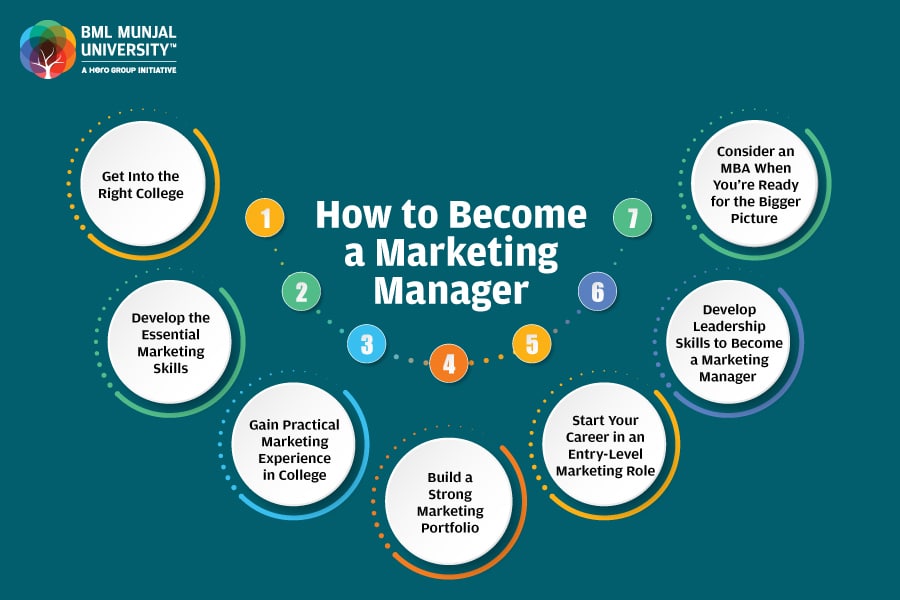
How to Become a Marketing Manager: Complete Step-by-Step Guide
Key Takeaways Becoming a marketing manager is a progression from execution to ownership and leadership. A relevant degree provides the foundat...

How to Become a Policy Analyst: The Career Path No One Explains Properly
Key Takeaways A bachelor's degree in Economics, Political Science, Public Policy, Sociology, International Relations or Law is the minimum qualif...

Business Analyst Salary in India 2026: How Much Can You Really Earn?
Key Takeaways The average business analyst salary in India is ₹7-10 LPA. Freshers in 2026 can earn ₹7-10 LPA, depending on skills and coll...
Is Work-Life Balance Really Possible During an Executive MBA in India?
Key Takeaways India has the highest employee burnout rate globally, with 59% of Indian professionals reporting burnout symptoms against a 20% w...

MBA Without CAT in India: Top Colleges, Entrance Exams & Direct Admission 2026
Can you do an MBA without CAT in India? The answer is yes and it is more common than most students realise. CAT was designed as an entry filter for...

Is BBA Worth It in 2026? Scope, Salary & Career Opportunities Explained
If you've just finished Class 12 and are weighing your options, the question "Is BBA worth it in 2026?" is a fair one to ask. The business landscap...