
Driving Smart Manufacturing: Are Indian Automotive SMEs Really Ready?


Admissions Enquiry



The future of manufacturing is no longer on the horizon - it is already here.
Across the globe, large manufacturing firms are rapidly adopting technologies like Artificial Intelligence (AI), the Internet of Things (IoT) and advanced data analytics to build smarter, more responsive production systems. These technologies are redefining efficiency, flexibility and competitiveness.
But where do small and medium enterprises (SMEs), especially in India’s automotive sector, stand in this transformation?
Looking Beyond the Hype
While the narrative around Industry 4.0 is often optimistic, the ground reality for SMEs is far more nuanced. So, how ready are Indian automotive SMEs to actually adopt smart manufacturing?
To answer this, we conducted a field-based assessment of 31 SMEs using a customised version of the IMPULS Industry 4.0 readiness framework. The study evaluates readiness across six key dimensions:
- Strategy & Organisation
- Smart Factory
- Smart Operations
- Smart Products
- Data-Driven Services
- Workforce Capability
What the Data Reveals
Most SMEs fall within a moderate readiness range, with scores between 3.2 and 3.9 (out of 5). This suggests that firms are neither at the starting line nor fully mature—they are in transition.
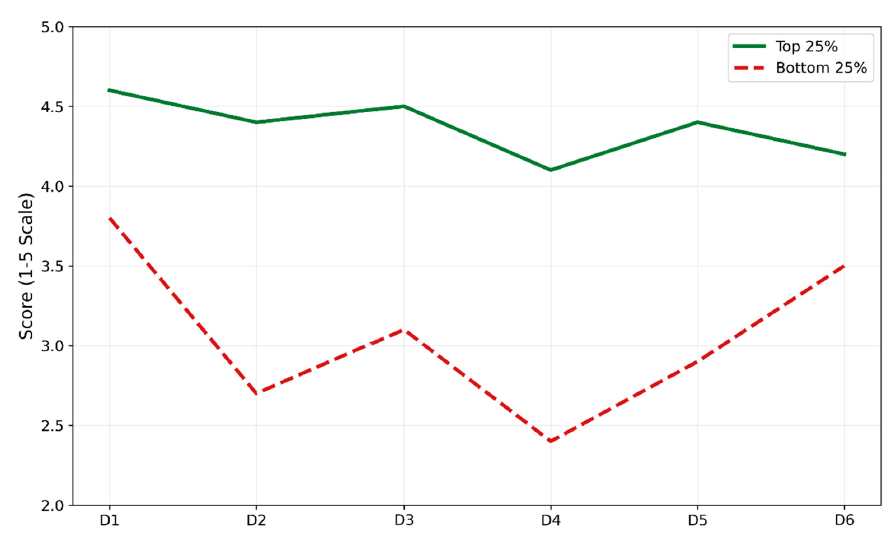
Figure 1: Smart Manufacturing Readiness Across Dimensions
Average readiness scores across six Industry 4.0 dimensions for Indian automotive SMEs.
A closer look reveals a striking pattern:
- Workforce Capability (3.91)is the strongest dimension
- Smart Factory (3.19)and Smart Products (3.41) lag behind
The people are ready - but the systems are not.
Employees are adapting and learning, but infrastructure-heavy areas such as automation and digital integration remain weak.
The Hidden Gap: Latent Potential
Many firms show strong workforce readiness but weak technological implementation. This creates what we call latent potential - the capability exists, but it is not fully utilised.
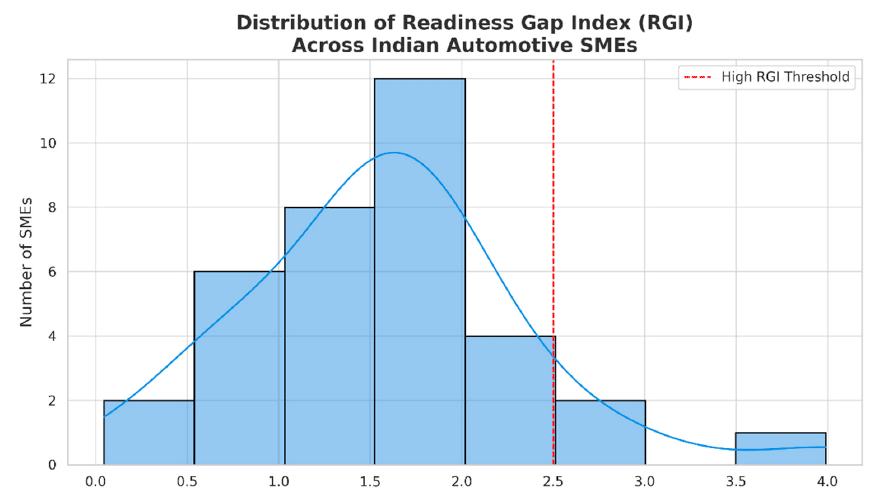
Figure 11: Firm-Level Readiness Variation
Variation in readiness levels across SMEs, highlighting clusters of high-performing and low-performing firms.
This figure highlights a clear divide:
- A small group of firms shows high readiness across all dimensions
- Others lag significantly, especially in operational areas
This creates a dual-speed transformation landscape within the SME ecosystem.
Does Size Matter?
Yes - larger SMEs and those with higher revenues show greater readiness.
Digital transformation is not just technological - it is resource-dependent.
Rethinking the Challenge
The issue is not a lack of awareness. Most SMEs understand Industry 4.0 and are willing to adopt it.
The real barriers are:
- Investment capacity
- Technology integration challenges
- Scaling digital solutions
What Needs to Change?
To accelerate adoption, SMEs need:
- Access to affordable digital infrastructure
- Practical implementation frameworks
- Stronger industry - academia collaboration
- Clear and scalable adoption pathways
The Bigger Picture
The future of manufacturing will not be defined by awareness - but by the ability to act.
Read the full paper:
https://www.mdpi.com/2071-1050/17/18/8096