
Direct Admission in B.Tech. 2026: Process, Eligibility Criteria & Fee Structure


Admissions Enquiry

The Indian technical market continues to grow significantly and represents more than 7.4% of the Indian economy. With the landscape expanding into artificial intelligence, machine learning and data analytics, securing a Bachelor of Technology (B.Tech.) degree remains one of the most reliable pathways to a high-earning career.
Millions of students vie for a seat through national-level exams such as JEE Main and other advanced state-level examinations each year. Despite the competition, many capable students are still left out and are looking for direct-entry options. So, if you are one such student wanting to avoid cut-throat counselling or a low-tier rank, direct admission to B.Tech. 2026 is a way for you to secure your engineering future.
What is Direct Admission in B.Tech.?
Let’s break down how direct admission actually works. This route allows you to enter B.Tech. programmes in private and deemed colleges outside the established government-driven channels like JoSAA. Admissions can happen through internal college entrance exams, a management quota or sometimes a direct administrative process.
It’s a common misperception that direct admission means compromising on quality or bypassing basic academic standards. That’s outdated thinking. Universities now enforce solid quality checks and academic prerequisites for all admissions. For students who meet fundamental eligibility but fall short on rankings, direct routes ensure you can claim a seat before they fill up, without reducing the academic bar.
Decoding the B.Tech. Admission Process
A 10+2 graduate can get admission into a B.Tech. programme through the following paths:
- Entrance Examination Path- The conventional method of appearing for competitive examinations like JEE Main, applying for centralised counselling and waiting for seat allocation during various rounds based on cutoff marks.
- Institutional Entrance Examinations- Some private colleges have their own respective examinations like BMU-SAT, BITSAT, VITEEE and you apply accordingly by going through an in-house college admission counselling.
- Direct Merit/Management Admission- You have the facility to block a seat instantly with the submission of the college’s direct admission form, undergoing an interview and confirming your eligibility through documents.
Minimum Eligibility Criteria for B.Tech. Admissions
Although a variety of options are available for you in the direct admission process, you still need to pass the essential baseline in science. Most university eligibility criteria for the B.Tech. course will state these basic eligibility criteria as:
- Academic Marks- An aggregate of 60% in the 10+2 (or any other equivalent higher senior secondary) exam from a recognised centre or state board.
- Main subjects- Candidates will have Physics, Chemistry, Mathematics and English along with an elective. The elective usually comprises Chemistry, Biotechnology, Biology or some technical vocational course.
- Entrance scores- If your score in the entrance test is not good enough, you can try for direct admission in B.Tech. without giving JEE Main, through the entrance test of that respective university and submit your result in order to be eligible to get your B.Tech. admission secured.
B.Tech. Fees: Understanding the Financial Investment
The fees for an engineering degree fluctuate significantly depending on the college’s infrastructure, tier rating and location.
- Tuition Fees- Private institutions generally charge between ₹1.5 Lakhs to ₹4.5 Lakhs per annum for core tuition. Over four years, this translates to a base academic expenditure of ₹6 Lakhs to ₹18 Lakhs.
- Additional Academic Costs- This includes one-time registration charges (ranging from ₹10,000 to ₹45,000) and fully refundable security caution money.
- Residential & Mess Facilities- Living on campus brings additional costs. Hostel charges scale from ₹1 Lakh to ₹2.5 Lakhs per year, depending on room occupancy (single, double or triple sharing) and air-conditioning preferences.
The Role of Scholarships
The most compelling reason to pursue an engineering programme through institutional direct admission is the sheer scope available to receive merit-based scholarships. High merit students can get anything from 10% to 100% of their tuition fees waived, depending on their merit in 10+2 boards, institutional test or even the central entrance tests.
Achieving Engineering Excellence with Future-Ready B.Tech. at BML Munjal University
For students looking to embark on their B.Tech. journey in 2026, BML Munjal University (BMU), located in the Delhi-NCR region, offers an industry-aligned curriculum built around experiential learning. Founded by the Hero Group, the School of Engineering and Technology (SoET) at BMU transforms engineering education through interdisciplinary skill stacks and an incorporated "AI Spine" running across all branches.
At BMU, engineering goes beyond standard classrooms. The curriculum is built to help you build your edge beyond engineering through three core frameworks:
- Curate Your Portfolio- Build a professional portfolio via projects, internships and research.
- Master Your Playbook- Develop technical expertise, problem-solving and confidence.
- Build Your Change Blueprint- Create innovative solutions that drive real-world impact.
Engineering Education Built Around 8 Core Pillars
These foundational pillars shape BMU's modern engineering experience, fostering practical skills, adaptability and innovation:
- Core Depth + Flexible Specialisation
- Interdisciplinary & Hybrid Skill Stacks
- Industry-Grade, Future-Ready Labs
- AI Spine Across the Curriculum
- Scenario-Driven Learning
- Startup-Like Campus & Prototyping Culture
- Career Simulations & Industry Immersion
- Living Curriculum & Continuous Learning
Courses & Specialisations
BMU offers a full-time, 4-year (8-semester) B.Tech. programmes focusing heavily on cutting-edge specialisations:
- Tech. in Computer Science and Engineering (CSE)
- Tech. in Electronics and Computer Engineering (EComE)
- Tech. in Mechanical Engineering (ME)
Students can customise their degrees with specialised career tracks including Data Science and Artificial Intelligence, Cyber Security, Internet of Things (IoT), Robotics & Automation and VLSI Design.
Conclusion
So, there are multiple options for students aiming to get direct admission in B.Tech. Meanwhile, students can also explore BML Munjal University, which offers an advanced technical curriculum, modern infrastructure and placement opportunities readily available at the institution. Don’t forget to have all your required academic documents in order and check all the required information pertaining to B.Tech. admission criteria, eligibility and fee structure for your interested specialisation.
FAQs
Yes. Many private and deemed universities in India accept alternate entrance scores such as CUET, SAT or their own aptitude tests.
Most private universities require candidates to have passed Class 12 with Physics and Mathematics as core subjects, with a minimum aggregate of 55-60% marks.
Yes. BMU accepts CUET UG, JEE Main, SAT and BMU-SAT scores for B.Tech. admission. Students can apply even before Class 12 results are announced, with final admission confirmed upon result verification.
Related Blogs
Core Branches of Engineering: Which One Should You Choose?
India’s engineering sector continues to play an important role in the economy, with engineering exports reaching a record US$116.67 billion in FY202...
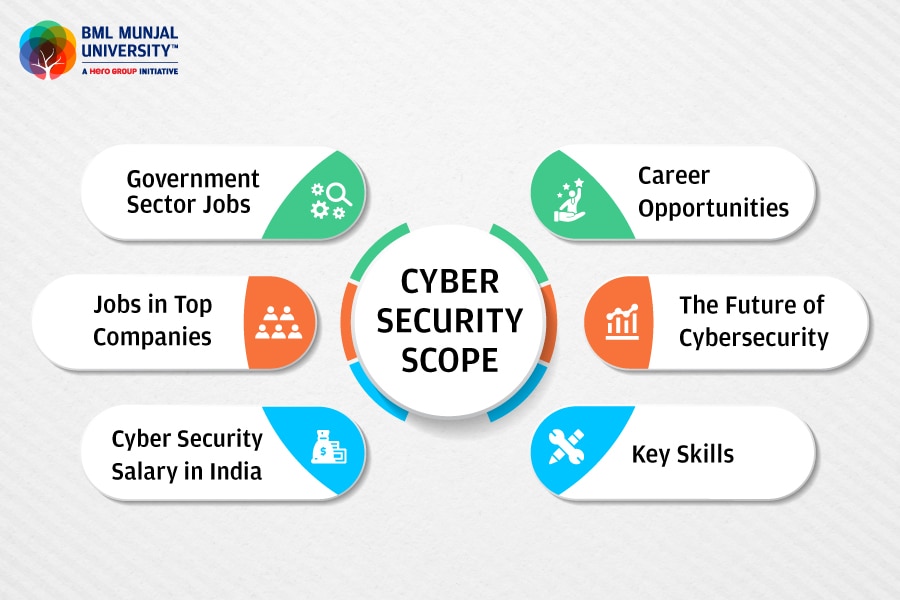
Cybersecurity Scope in India 2026: Jobs, Salaries, Career Scope & Emerging Trends
Key Takeaways Cybersecurity scope in India is expanding due to rising cyber threats and rapid digitalisation. Career opportunities span SOC, e...

Data Science vs Computer Science: Which Course Should You Choose After 12th?
Key Takeaways Computer Science builds software; Data Science turns data into AI-driven insights. Choose Computer Science if you enjoy coding a...
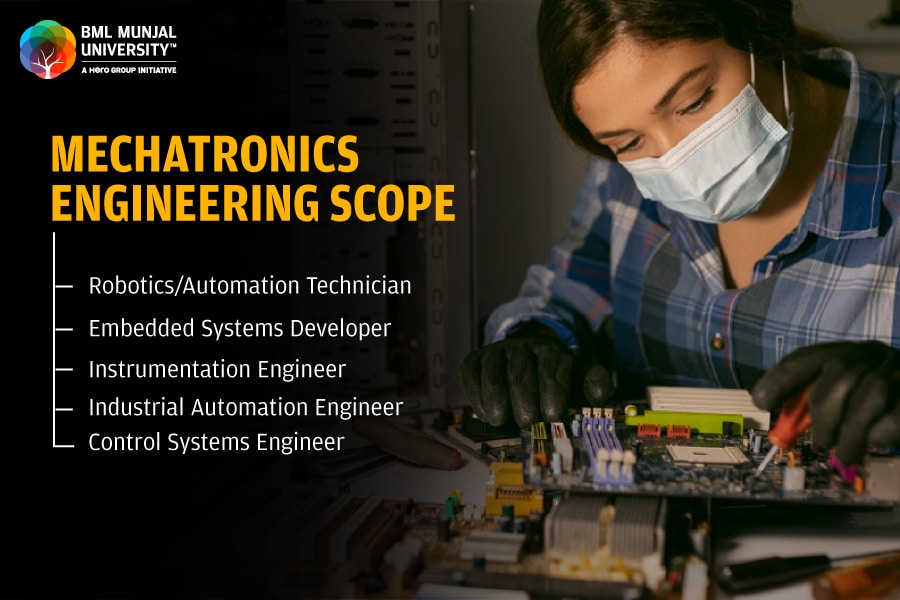
Mechatronics Engineering Scope in India: Is This the Right Career for You?
Key Takeaways Mechatronics engineering combines mechanics, electronics, software and control systems to create intelligent and automated machines...
VLSI Design Course: Scope, Salary Insights & Global Career Prospects
Key Takeaways: VLSI (Very Large Scale Integration) is the discipline behind every chip in your phone, EV and data centre server, packing millions...

Why a B.Tech. for Working Professionals Could Be Your Smartest Career Move
The professional landscape is changing extremely quickly and it's common for diploma and technician holders working in industry to encounter an invisi...