

BBA vs BMS: Which Course is Right for Your Career in 2026? [Complete Comparison Guide]


Admissions Enquiry
A Quick Overview
- BBA (Bachelor of Business Administration)- Broader business management degree with industry exposure
- BMS (Bachelor of Management Studies)- More specialised and analytical approach to management
- Duration- 3 years
- Best For-
- BBA: Career-focused students targeting placements
- BMS: Students interested in management theory + specialisation
- Average Salary- ₹3-8 LPA (depends on college, skills, internships)
If you’re confused between BBA and BMS after 12th, this guide will help you make a clear, practical decision.
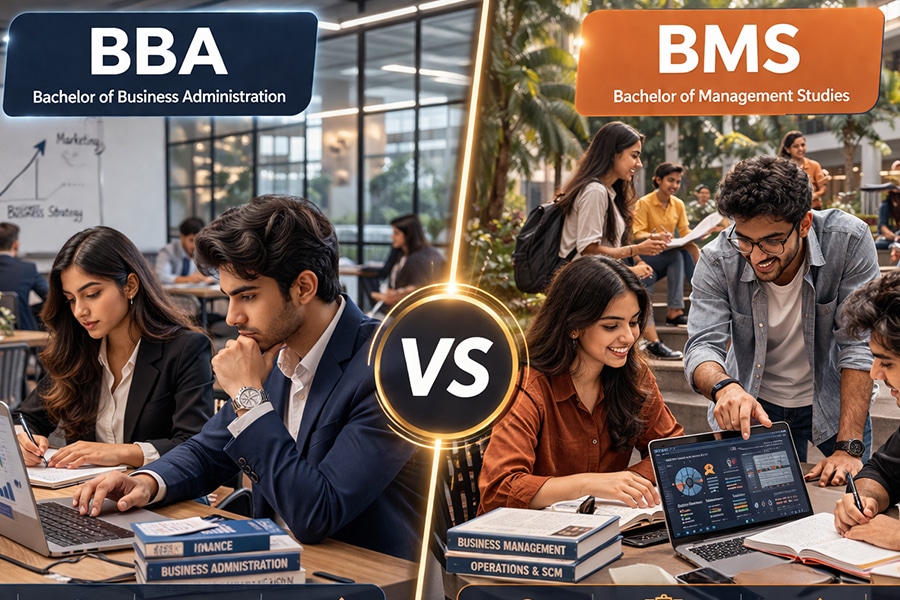
Let's be honest: choosing a course after 12th isn't just about getting a degree. It shapes where you work, how much you earn and whether you actually enjoy your career for the next 40 years.
Management studies attract loads of students because they're practical, flexible and lead to solid careers. But BBA and BMS create real confusion because they sound interchangeable. However, they're not.
The key differences lie in-
- The way you'll learn (practical, hands-on versus conceptual, analytical)
- How frequently you'll meet industry professionals (constantly versus occasionally)
- What jobs you'll be ready for immediately (corporate roles versus analyst positions)
This guide removes the marketing jargon and gives you a clear view so you can make decisions based on what really matters for your career.
What is BBA?
BBA (Bachelor of Business Administration) is a career-oriented degree designed to get you job-ready as quickly as possible. Think of it as business school compressed into three years.
What you'll actually study-
- Marketing fundamentals and real campaigns
- Finance and budgeting
- Human resources and organisational behaviour
- Business communication (which matters more than you'd think)
- Live projects and internships where you solve actual business problems
Who it's best for-
You'd thrive in a BBA if you're the type who learns by doing. You want to talk to professionals, work on real projects and step into a corporate job knowing what to expect on day one.
Jobs you could land straight after-
- Business Development Executive (finding and nurturing new clients)
- Marketing Associate (running campaigns, analysing data)
- HR Executive (recruitment, training, employee relations)
- Sales Manager (building and leading teams)
- Startup roles (you'll have the flexibility to wear multiple hats)
What is BMS?
BMS takes a different approach. Rather than broad exposure, it goes deep into management theory and analytical thinking.
What you'll actually study-
- Business strategy and competitive analysis
- Economics and financial analytics
- Research methodologies
- Organisational psychology
- Data-driven decision making
Who it's best for-
You'd suit BMS if you enjoy understanding why businesses work the way they do, if you ask questions like "what's the strategy here?" and if you're considering higher studies (an MBA, for example) or specialist roles.
Jobs you could move into-
- Business Analyst (interpreting data, spotting trends, recommending strategy)
- Financial Analyst (evaluating investments, assessing company performance)
- Research Associate (conducting studies, building business cases)
- Management Trainee (structured training programmes that value analytical thinking)
Key Differences between BBA and BMS at a Glance
| Factor | BBA | BMS |
| Core Focus | Practical skills + industry exposure | Analytical thinking + theoretical foundation |
| Curriculum Style | Broad, touching many business areas | Specialised, diving deep into management concepts |
| Industry Exposure | High (internships, projects, guest lectures) | Moderate (more classroom-focused) |
| Placement Strength | Strong, with early recruitment | Depends on college; later placement cycles |
| Skills You'll Build | Communication, leadership, teamwork | Strategic thinking, data analysis, research |
| Best Followed By | MBA (especially specialised ones like Finance, Marketing) | MBA or specialist postgraduate (Analytics, Strategy) |
BBA vs BMS: Which is Right for You in 2026?
This is the question that matters most.
Choose BBA if-
- You want solid placement opportunities and don't want to wait months for job offers
- You learn better by doing than by reading theory
- You'd rather enter a corporate role within a year of graduating than spend two more years studying
- You're energised by interacting with professionals and understanding how real businesses operate
- You're considering starting your own business (the practical exposure helps)
Choose BMS if-
- You're genuinely fascinated by why businesses work, not just how
- You enjoy research, analysis and working with data
- You're planning to pursue an MBA or specialist qualification straight after your degree
- You prefer deeper conceptual clarity over breadth
- You see yourself in analyst, researcher or strategic roles long-term
BBA vs BMS Salary Comparison 2026
When choosing between a BBA and BMS degree, salary outcomes matter. Your starting salary and long-term earning potential will influence your career trajectory, financial security and return on investment in your education.
The following table examines how much you can earn after each course:
| Course | Fresher Salary (Typical Range) | Growth Potential |
| BBA | ₹3–6 LPA | High (especially with an MBA or specialised skills) |
| BMS | ₹2.5–5 LPA | Strong (particularly after an MBA or postgraduate specialisation) |
Here's what actually determines salary-
Forget the course for a moment. Your salary depends far more on-
- Skills you've developed (can you actually do the job or just talk about it?)
- Internships you've completed (real experience on your CV matters enormously)
- College reputation and placement support (a top-tier college opens doors)
- Your initiative (students who network, build portfolios and develop side skills earn more)
BBA vs BMS - Top Career Opportunities
After BBA, you could pursue-
- Marketing Manager (building brands, running campaigns)
- Sales Leader (managing teams, hitting revenue targets)
- HR Manager (recruitment, employee development, company culture)
- Business Consultant (advising companies on operations)
- Entrepreneurship (you've got the practical foundation)
- Operations Manager (streamlining processes, managing supply chains)
After BMS, you could pursue-
- Business Analyst (where your analytical skills shine)
- Financial Analyst (investment evaluation, market research)
- Data Analyst (increasingly valuable in 2026)
- Management Consultant (strategy and organisational change)
- Research Associate (think tanks, universities, corporate research)
- MBA specialisation (particularly in Finance, Strategy or Analytics)
BBA vs BMS - Future Scope in 2026 and Beyond
Management careers aren't static. They're evolving rapidly.
The fields experiencing real growth right now include-
- Digital Marketing (because every business is online now)
- Business Analytics (companies can't get enough of people who understand data)
- Entrepreneurship & Startups (India's startup ecosystem is booming)
- Consulting (every company needs strategic guidance)
- Sustainability & ESG Management (new field, growing rapidly)
Here's what really matters: students who combine practical exposure with analytical skills will have the strongest advantage. That means-
- If you choose BBA, don't just attend lectures, but also seek analytical projects. Learn data tools. Push yourself.
- If you choose BMS, don't just memorise theory; try finding internships where you apply concepts to real problems. Build a portfolio.
Important Factors Before You Decide between BBA and BMS
Before you commit to either course, ask yourself these questions-
- Your learning style- Do you learn better by doing or by understanding theory first?
- Your career goal- Do you want a job in 2026 or are you planning to pursue higher studies?
- The college itself- Is it known for placements? What companies recruit from there? What internship opportunities exist?
- Industry exposure- Does the course include live projects, internships, industry mentors?
- Your post-graduation plan- Do you see yourself working or immediately studying for an MBA?
Why the Right College Matters More Than the Course Itself
The college you choose matters more than whether you pick BBA or BMS.
A BMS from a mid-tier college with poor placements might leave you struggling for months. A BBA from a top-tier institution with strong industry connections? You'll have offers before graduation.
When evaluating a college, look for-
- Industry-aligned curriculum (Do companies actually want what graduates know?)
- Internship opportunities (are students actually placed in internships or just attending college?)
- Placement support (does the college actively connect students with recruiters?)
- Mentorship and exposure (are there senior professionals guiding you?)
- Alumni network (do successful alumni help current students?)
The difference between a ₹3 LPA salary and a ₹8 LPA salary often comes down to the college's reputation and placement ecosystem, not the course code.
Also Read: Best BBA Colleges in Delhi NCR
Final Thoughts
Both BBA and BMS are strong degrees. Neither is inherently "better"—they're just different paths to management careers.
- Choose BBA if you want to balance broad knowledge with industry exposure, if you want job-ready skills quickly and if you think you will thrive in applied learning environments.
- Choose BMS if you want analytical depth, if you're considering higher studies and if you're drawn to research and strategic thinking.
But here's what actually determines your success: not which degree you choose, but how hard you work during those three years. Students who seek internships, build genuine skills, network with professionals and push themselves will succeed regardless of whether they picked BBA or BMS.
If you're serious about building a management career, choosing the right programme is your first strategic move. Then comes the choice of institution. Prefer one that gives you industry exposure, meaningful internships, strong placement support and expert mentors who actually care about your growth. Don’t wait. Apply now to take the first step toward your future.
FAQs
BBA is better for placements and industry exposure, while BMS is better for conceptual and analytical learning.
Both are management degrees, but BBA is more practical while BMS is more theory-focused.
BBA generally offers slightly better starting salaries, but long-term growth depends on skills and an MBA.
Yes, BMS is a strong foundation for pursuing an MBA.
BBA is better for business exposure and entrepreneurship.
Yes, BBA offers strong career opportunities, especially when combined with internships and skills.
Related Blogs
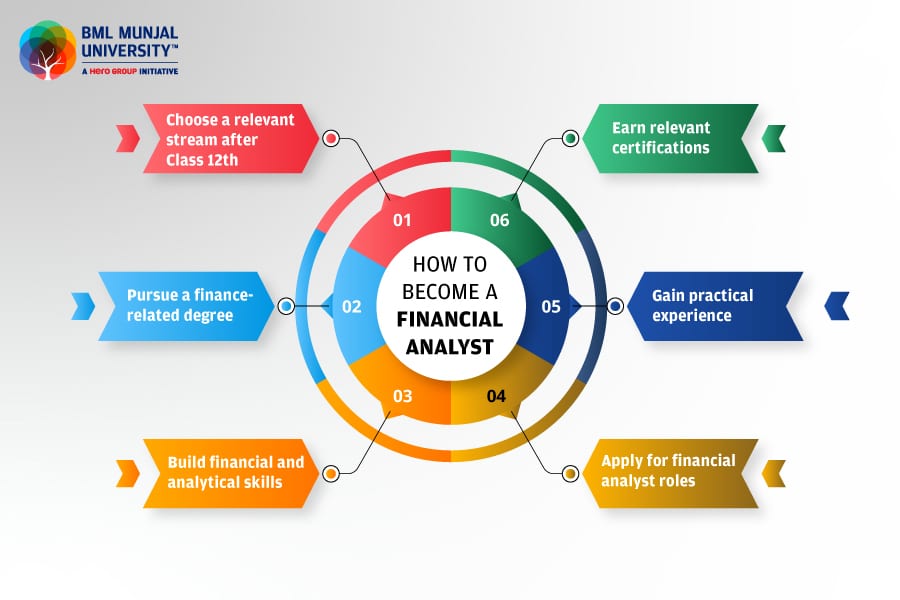
How to Become a Financial Analyst in India: Degree, Skills & Career Roadmap (2026)
A relevant degree in finance, commerce, economics or business can provide a strong foundation for a financial analyst career. Build core skills...
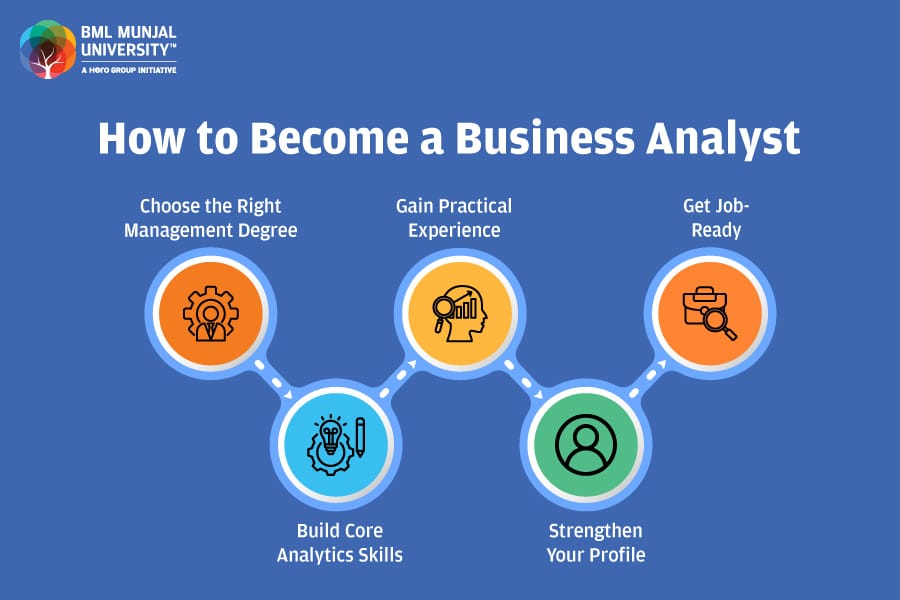
How to Become a Business Analyst: A Complete Career Guide
Key Takeaways A bachelor's degree in business, IT or a related field is the usual starting point; no state licence is required. Students after...

How to Become a Marketing Manager: Complete Step-by-Step Guide
Key Takeaways Becoming a marketing manager is a progression from execution to ownership and leadership. A relevant degree provides the foundat...

How to Become a Policy Analyst: The Career Path No One Explains Properly
Key Takeaways A bachelor's degree in Economics, Political Science, Public Policy, Sociology, International Relations or Law is the minimum qualif...

Business Analyst Salary in India 2026: How Much Can You Really Earn?
Key Takeaways The average business analyst salary in India is ₹7-10 LPA. Freshers in 2026 can earn ₹7-10 LPA, depending on skills and coll...

The Benefits of an Integrated BBA MBA: Career Growth & How It Compares to Traditional MBA
Integrated BBA MBA programmes are becoming increasingly popular among students who want to start building management careers right after Class 12. Wha...
![BBA vs BMS: Which Course is Right for Your Career in 2026? [Complete Comparison Guide]](https://www.bmu.edu.in/wp-content/uploads/2019/03/What-is-the-use-of-Studying-BBA-in-India-300x180.jpg)