
B.Com Subjects List (2026): Semester-Wise Subjects, Specialisations & What to Expect


Admissions Enquiry
A Quick Overview
B.Com subjects include accounting, economics, business law, taxation, and finance, spread across 3 years. The course builds a strong foundation in commerce, helping students prepare for careers in finance, management, and professional certifications like CA, CS and MBA.

You’re thinking about pursuing B.Com, but one question keeps coming up: What exactly will I study? And will it actually help me build a strong career?
It’s a fair concern. You might even be considering choosing B.Com simply because it feels like the “safe” option in commerce, but without really understanding the subjects. And later, that confusion can turn into frustration when the course doesn’t match their expectations.
This guide is here to clear that confusion. You’ll get a simple, honest breakdown of B.Com subjects semester wise, so you know exactly what you’re signing up for. More importantly, you’ll understand which subjects actually matter for your future and how to choose the right career path after completing the course.
B.Com Subjects List & Career Direction
| Area | Key Subjects | Career Path |
| Accounting | Financial Accounting, Cost Accounting | CA, Auditor |
| Finance | Corporate Finance, Taxation | Banking, Finance roles |
| Business | Management, Marketing | MBA, Corporate roles |
| Law | Business Law, Company Law | Legal/Compliance roles |
| Economics | Micro & Macro Economics | Analyst, Policy roles |
Simple Insight: Your subject preference in B.Com directly shapes your career direction in finance, management or analytics.
Understanding B.Com Subjects
The B.Com course is often seen as just a “general commerce degree,” but it’s actually much more structured than that. Think of it as a foundation where you slowly start understanding how businesses really work, from money to management to decision-making.
As you go through the B.Com syllabus, you’ll build your understanding of:
- Business operations- how companies function on a day-to-day level
- Financial systems- how money flows, gets managed and grows
- Economic decision-making- why businesses make certain choices and how markets behave
Instead of just studying theory, you start connecting concepts to real situations, like how a company manages its costs or why prices change in the market. That’s where things begin to make sense.
Why B.Com Subjects Matter for Your Career
Here’s something most students don’t realise early on, the subjects you study in B.Com aren’t random. They actually shape where you’ll go next.
Your subjects quietly decide:
- Your specialisation- what area you’ll naturally lean towards
- Your skill set- what you’ll become good at over time
- Your career trajectory- the kind of roles you’ll be ready for
For example, if you find yourself enjoying accounting and getting comfortable with numbers, that’s a strong sign you could go for CA or finance-related roles. On the other hand, if subjects like management or marketing interest you more, then an MBA course or corporate career path might suit you better.
The idea is simple: pay attention to what clicks for you during B.Com. Those subjects are often pointing you toward the career you’ll actually enjoy.
Also Read: Best Career Options after 12th Commerce
B.Com Subjects- Semester-Wise Breakdown
Subjects in B.Com 1st Year- (Foundation Stage)
| Semester 1 | Semester 2 |
| English/Communication Skills | Business Communication |
| Financial Accounting | Business Economics |
| Business Mathematics | Business Statistics |
| Microeconomics | Macroeconomics |
| Business Organisation and Management | Principles of Marketing |
| Business Law | Business Environment |
Focus: Building the basics of commerce and business understanding
Year 2 (Core Learning Stage)
| Semester 3 | Semester 4 |
| Income Tax Law and Practice | Corporate Accounting-II |
| Cost Accounting | Income Tax |
| Business Mathematics and Statistics | Management Accounting |
| Company Law | Business Data Processing |
| Principles of Auditing | Business Economics |
| Environmental Studies | Human Resources Management |
Focus: Developing specialisation direction
Year 3 (Advanced Stage)
| Semester 5 | Semester 6 |
| Financial Management | Financial Reporting |
| Business Laws | Business Ethics and Corporate Governance |
| Entrepreneurship and Small Business Management | Auditing |
| International Business | Management Information Systems |
| Indirect Tax | Elective Subjects (e.g., Cost and Management Accounting, Financial Services,Marketing, HR, etc. |
| Elective Subjects (e.g., Banking and Insurance, Marketing Management, etc.) | Project Work/Internship |
Focus: Career readiness and domain expertise
B.Com: Subjects vs Career Outcomes
| Subject Strength | Best Career Path | Growth Potential |
| Accounting | CA, Auditor | Very High |
| Finance | Banking, Investment | High |
| Business | MBA, Corporate roles | Very High |
| Law | Compliance, Legal | Medium |
| Economics | Analyst roles | High |
What Are Your Options After B.Com?
This is the stage where most people start overthinking- “Ab kya karun?” And honestly, that confusion is completely normal. B.Com doesn’t push you into just one direction; it actually gives you multiple paths. The key is to choose based on what you enjoyed during the course, not just what others are doing.
Here are some popular paths you can consider:
- CA / CS (Professional Certifications)-
If you liked accounts, taxation or law subjects, this path makes sense. It’s challenging and requires consistency, but it can lead to strong, stable careers in finance, auditing or corporate law. - MBA (Management Roles)-If you find yourself more interested in business strategy, marketing or management subjects, an MBA can help you move into leadership roles. This path suits you if you see yourself managing teams or running a business someday.
- Banking & Finance Jobs-
If you want to start working sooner, banking exams or finance roles are a practical option. It offers stability and a clear career path, which many people prefer. - Data Analytics & Finance Tech Roles-
This is a fast-growing space. If you have even a slight interest in numbers plus technology, learning tools like Excel, Power BI or basic coding can open doors here. Today, companies value people who can understand data and use it to make decisions.
Also Read: Courses After BCom: Top 10 Future-proof Options for Commerce Graduates
Common Mistakes You Might Be Making
These are small mistakes, but they can create big confusion later if you’re not careful:
- Choosing B.Com without understanding subjectsYou pick it thinking it’s safe, but without knowing the subjects, you may lose interest quickly when things like accounting or economics get serious.
- Ignoring skill developmentOnly focusing on theory can hold you back. Without practical skills like Excel or communication, it becomes harder to stand out when you start looking for opportunities.
- Not planning your career after graduationIf you wait till the final year, everything feels rushed. Having even a basic direction early helps you prepare better and avoid last-minute stress.
- Following peer decisions blindlyJust because your friends are choosing a path doesn’t mean it suits you. Your interests and strengths are different, so your decision should be too.
Important Factors Before Choosing B.Com
Before you decide, take a moment to check in with yourself, this can save you from a lot of second-guessing later:
- Interest in commerce subjects- If subjects like accounting, business or economics feel interesting (not forced), you’re more likely to stay consistent and actually enjoy the course.
- Long-term career goals- Even a rough idea helps. Whether you’re aiming for CA, MBA or a job, your goal will shape how seriously you approach different subjects.
- Willingness to pursue higher studies- Many strong career paths after B.Com need extra qualifications. Be clear if you’re ready to invest more time in studying after graduation.
- College quality and exposure- A good college doesn’t just teach, it gives you internships, networking and real exposure, which can make a big difference later.
Also Read: Choosing the Right College for B.Com Admission 2026
Pro Tips for B.Com Aspirants
If you want to stay ahead, these small steps can make a big impact over time:
- Pair B.Com with certifications (Excel, finance tools)
Your degree gives you knowledge, but certifications add practical skills that companies actually look for. - Start internships early
Don’t wait for the final year. Even small internships early on help you understand how things work in the real world. - Decide career path by Year 2
You don’t need perfect clarity, but having a direction by the second year helps you prepare without last-minute pressure. - Build communication + analytical skills
No matter which path you choose, these two skills will always give you an edge, whether in interviews or at work.
Thrive as a Business Leader with B.Com Course at BML Munjal University (BMU)
If you're looking for a reputed university to pursue B.Com, BML Munjal University (BMU) can be an ideal choice. As the world continues to evolve, BMU aims to equip students with all the skills they need to thrive in an ever-changing world.
B.Com subjects in the first year include Business Law, Economics and Accounts to provide a stronghold over a student's fundamental concepts. During the 3rd and 4th semesters, students are required to take electives as part of their B.Com (Hons) curriculum. The electives constitute a tally of wide-ranging subjects, such as psychology, sociology, political science, environmental science, etc.
If you’re exploring commerce as a career, it’s important to also evaluate whether a B.Com or a more industry-oriented programme like BBA/BBA (Hons) aligns better with your long-term goals.
To Wrap Up
B.Com isn’t just about studying commerce subjects- it’s about understanding how the real business world works and finding where you fit in. From accounting and finance to management and economics, each subject gives you a clue about your strengths and future direction.
If you stay consistent, build practical skills alongside your degree and start exploring career options early, B.Com can open multiple doors for you, whether it’s CA, MBA, finance roles or even emerging fields like data analytics.
At the end of the day, the course itself won’t decide your future, how you use it will.
FAQs
B.Com includes accounting, economics, business law, taxation, finance and management subjects.
Yes, B.Com offers strong career opportunities, especially when combined with CA, MBA or certifications.
Accounting and finance subjects are considered most valuable for high-growth careers.
You can pursue CA, MBA, banking jobs, finance roles or analytics careers.
It depends on your interest, but it is manageable with consistent study and concept clarity.
Yes, especially with additional qualifications like CA, MBA or specialised certifications.
Related Blogs
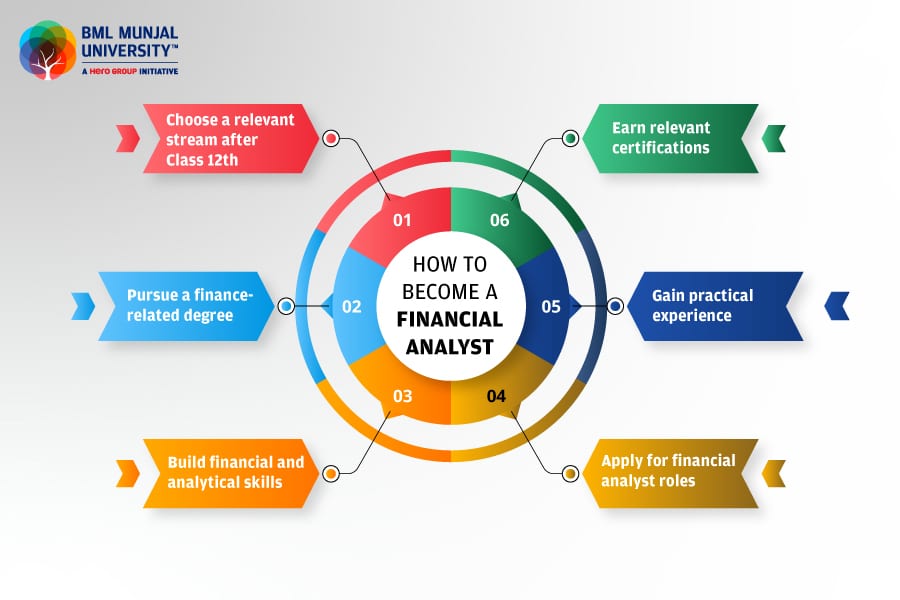
How to Become a Financial Analyst in India: Degree, Skills & Career Roadmap (2026)
A relevant degree in finance, commerce, economics or business can provide a strong foundation for a financial analyst career. Build core skills...

Courses After BCom: Top 10 Future-proof Options for Commerce Graduates
Choosing the right path after completing a Bachelor of Commerce can be a turning point in your career. With industries evolving rapidly and employers ...

Top Career Options after BCom: Find Your Ideal Career Path
[In Summary: After BCom, students can pursue careers in accounting, finance, taxation, banking, marketing, analytics and entrepreneurship. Popular car...

Top 10 Reasons to Pursue a BCom Hons Degree
BCom has always been a familiar path for commerce students. It covers the basics of accounts, economics, business, etc, and leads to stable roles in b...

Choosing the Right College for B.Com Admission 2026
Every sector from investment banking to start-up funding, corporate taxation to financial consulting, relies heavily on professionals with a deep unde...

B.Com Honours Syllabus- Admission, Duration, Subjects, Scope
The four-year undergraduate B.Com (Hons.) programme is intended to give you a span foundation in business and commerce principles. A wide range of dis...