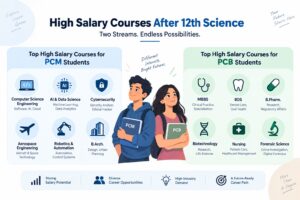
Computer Science Courses After 12th: Best Options, Salary & Scope (2026 Guide)


Admissions Enquiry
A Quick Overview
- Best Courses After 12th (CS)-Tech. (CSE), B.Sc. Computer Science, BCA, Data Science programmes
- Top Career Roles- Software Developer, Data Analyst, AI Engineer, Cybersecurity Specialist
- Average Starting Salary- ₹3–10 LPA (depending on course & skills)
- Best For: Students interested in coding, technology and problem-solving
- Future Scope- High demand across AI, cloud computing, cybersecurity and product-based companies
If you’re planning a career in technology, choosing the right course after 12th can directly impact your long-term growth, salary and opportunities.

If you’ve just completed your 12th and are interested in technology, one question naturally comes up-
“Which computer science course should I choose?”
And the more you search, the more confusing it gets.
A few years ago, things were simpler. Most students used to go for B.Tech. and didn’t think twice. But today, you’ve got BCA, B.Sc., AI & Data Science and even short-term courses. However, the reality is-
Not every course leads to the same career outcomes and your choice affects your long-term growth more than you think.
To help you out, this guide compares the best computer science courses after 12th so you can pick the right path based on your career goals.
What Are Computer Science Courses After 12th?
Computer science courses revolve around the study of computers, software systems and computational processes used to solve real-world problems. They involve designing applications, managing data and developing technologies that drive modern digital infrastructure. These courses primarily focus on-
- Programming and software development, enabling you to build functional applications.
- Data structures and algorithms to strengthen your logical thinking and problem-solving skills.
- Advanced areas like artificial intelligence and machine learning to enable you to develop intelligent systems.
- Systems, networks and cybersecurity to ensure efficient and secure operations.
These courses prepare you for careers in the digital economy, where demand remains consistently high across industries.
Top 5 Computer Science Courses After 12th in 2026
Let’s simplify your options so you can clearly understand what each course offers, how they differ and which one actually fits your interests, career goals and future plans.
1. B.Tech. in Computer Science Engineering (CSE)
B.Tech. in Computer Science Engineering is the most popular and industry-focused option if you want to build a strong career in technology. The course combines core computing concepts with practical skills, preparing you for technical roles and competitive placements.
What you learn-
- Programming (Java, Python, C++) and software development
- Data structures and algorithms
- AI, machine learning, cloud computing and emerging technologies
Best for- Students who want excellent placement opportunities, higher salary potential and a solid foundation for advanced tech careers.
Career roles-
- Software Developer
- Full Stack Engineer
- AI/ML Engineer
Average Salary- ₹5–12 LPA
2. B.Sc. Computer Science
This course focuses on building a strong foundation in computing through theory, logic and core concepts. It is well-suited if you enjoy understanding how systems work and want to pursue higher studies or research in the future.
What you learn-
- Core computing concepts
- Mathematics & logic
- Programming basics
Best for- Students interested in academics, research or building a strong conceptual base.
Career roles-
- Data Analyst
- Junior Developer
- Academic / Research Roles
Average Salary- ₹4–6 LPA
3. BCA (Bachelor of Computer Applications)
BCA is a practical, application-focused course designed to build essential IT skills. It helps you gain hands-on experience in development and prepares you for entry-level roles in the industry.
What you learn-
- Web development
- Database management
- Software application development
Best for- Students seeking a quicker entry into the IT industry with a focus on practical skills and job readiness.
Career roles-
- Web Developer
- App Developer
- System Administrator
Average Salary- ₹3–6 LPA
4. B.Tech. in AI & Data Science (Emerging Option)
This future-focused programme is suitable if you want to work with data, automation and intelligent systems. It combines core computing skills with advanced technologies used across modern industries.
What you learn-
- Machine learning
- Data analytics
- AI tools & Python
Best for- Students aiming for future-ready careers in high-demand fields like AI, data science and advanced analytics.
Career roles-
- Data Scientist
- AI Engineer
- Business Analyst
Average Salary- ₹6–15 LPA
5. Diploma / Short-Term Courses
These are skill-based programmes focused on building practical knowledge in specific areas of technology. They are most effective when combined with a degree, helping you strengthen your profile and improve placement opportunities.
Examples-
- Web Development
- UI/UX Design
- Cybersecurity
Best for- Students looking to enhance practical skills, build a strong portfolio and gain an edge during internships and placements.
Average Salary- Ranges between ₹3 LPA to ₹6 LPA
A Quick Comparison of Best Computer Science Courses
This quick comparison table helps you understand course duration, learning experience and career outcomes so you can make a smarter decision easily.
| Course | Duration | What It Feels Like | Where It Leads You |
| B.Tech. CSE | 4 years | Intensive, practical, industry-ready | Strong placements & salary |
| B.Sc. CS | 3 years | Concept-heavy, theory-focused | Research or gradual growth |
| BCA | 3 years | Practical and flexible | Entry-level IT roles |
| B.Tech. AI/Data Science | 4 years | Future-focused and skill-heavy | High-demand tech careers |
| Diploma / Short-Term Courses | 1-2 years | Quick skill-building | Improved placement / salary outcomes |
B.Tech. vs BCA vs B.Sc. - Which Course Should You Choose?
Instead of overthinking it, try to answer this honestly-
Do you want the best possible placement opportunities with a high salary right after graduation?
If yes, B.Tech. is the safest bet.
Do you enjoy research and theory?
Then B.Sc. could make sense.
Do you want to enter the IT job market faster?
BCA can work well for you.
Are you okay with building skills on your own?
You can go for short-term certification courses.
This B.Tech. vs BCA vs B.Sc. confusion is common, but once you connect it to your own goals, the answer becomes clearer.
Also Read: Difference Between B.E. and B.Tech. – A Complete Guide for Students
Career Scope & Salary After Computer Science Courses
The demand for computer science professionals is growing rapidly in 2026. Here is a quick overview of where a computer science course can take you:
| Category | Details |
| After Graduation Focus | Job opportunities, career growth and real-world skill application |
| Top Hiring Industries | IT and software, finance, healthcare, e-commerce and startups |
| What Companies Want | Candidates who understand technology and can solve real-world problems |
| Top Career Options | Software Developer, Data Scientist, Cloud Engineer, Cybersecurity Expert, AI/ML Engineer |
| Salary (Freshers) | ₹4–10 LPA depending on skills and experience |
| Key Hiring Factors | Skills, projects and internships matter more than just the degree |
| Future Trends | AI and data-related roles expected to grow rapidly |
Also Read: Best Career Options After 12th: Arts, PCB, PCM, Commerce
What’s the Future Scope of Computer Science?
If you’re thinking long-term (which you should), then this field has a lot to offer.
Emerging technologies like artificial intelligence, cloud computing, cybersecurity, blockchain and data science are not just trends, they’re becoming core parts of how industries function.
Students who start early, build projects and stay consistent with learning usually end up far ahead of others, even if they start from the same course.
Common Mistakes Students Make While Choosing a Course
Choosing a computer science course after 12th can feel confusing, especially with so many options available. Avoid the following mistakes that can directly impact your career direction and future growth-
- Rushing the Decision: Finalising a course too quickly due to deadlines or pressure, without exploring all available options properly.
- Not Understanding the Course Depth: Assuming all computer-related courses are similar, without realising differences in difficulty, coding intensity and learning approach.
- Ignoring Long-Term Growth: Choosing a course that feels easy now but offers limited career growth later.
- Focusing Only on College Placements: Believing that the college alone will secure a job, without focusing on personal skill-building.
- Avoiding Difficult Subjects: Skipping options like B.Tech. just because they seem tough, even if they align with career goals.
- Not Being Aware of the Industry: Not understanding what skills companies actually expect in real-world tech jobs.
- Not Keeping the Future in Mind: Choosing a course without thinking about future options like higher studies, specialisation or career switch.
Important Factors Before Choosing a Course
- Choose a course based on your interests and long-term career goals, not just trends or peer influence.
- Evaluate the reputation of the college, including placement records, faculty, infrastructure and industry exposure.
- Check whether the curriculum is industry-relevant and aligned with current technologies like AI, cloud and data science.
- Focus on skill development, especially coding, problem-solving and hands-on project experience.
- Look for opportunities like internships, live projects and practical training during the course.
- Understand that a degree alone is not enough; continuous learning and upskilling are essential in tech careers.
- Consider your learning style (theoretical vs practical) before choosing between courses like B.Tech., BCA or B.Sc.
Why the Right College Matters More Than the Course
Here’s something that often gets overlooked, the same course can lead to completely different outcomes depending on where you study. A college with a strong ecosystem can significantly improve your learning and career opportunities.
A few things you should consider include:
- Industry-aligned curriculum
- State-of-the-art labs
- Global exposure
- Faculty with real industry experience
- Multi-track flexibility
- Hackathons and guest lectures
- Soft skills training
- Internships and live projects
- Strong placement support
All these elements ensure that students are not only academically prepared but also industry-ready. For instance, BML Munjal University focuses on a well-rounded experiential learning approach that goes beyond traditional classroom teaching. If you’re interested in pursuing a computer science course after 12th, apply now.
Final Thoughts
Choosing the right computer science course after 12th is not about following trends; it’s about aligning your decision with your long-term goals.
B.Tech. remains the strongest option if your priority is placements and higher salary potential, while BCA and B.Sc. offer flexibility but require more self-driven effort in skill development.
At the same time, your success doesn’t depend on the course alone. What truly makes a difference is how you use those years, building skills, working on projects and gaining real-world exposure. The earlier you start building skills, the better your career outcomes will be.
If you’re serious about building a meaningful career in tech, take your time, explore the right programmes and choose a college that actively supports your growth.
FAQs
B.Tech. in Computer Science is generally the best option for strong placements and a higher salary.
Yes, courses like BCA allow it, but most top-tier programmes require mathematics.
Freshers usually earn between ₹3–10 LPA, depending on skills and college.
B.Tech. offers better long-term career growth and higher salary potential.
B.Tech. with specialisation in AI or Data Science is the most recommended path.
It depends on your goals: B.Tech. for placements, BCA for flexibility and B.Sc. for theory and research.
Related Blogs
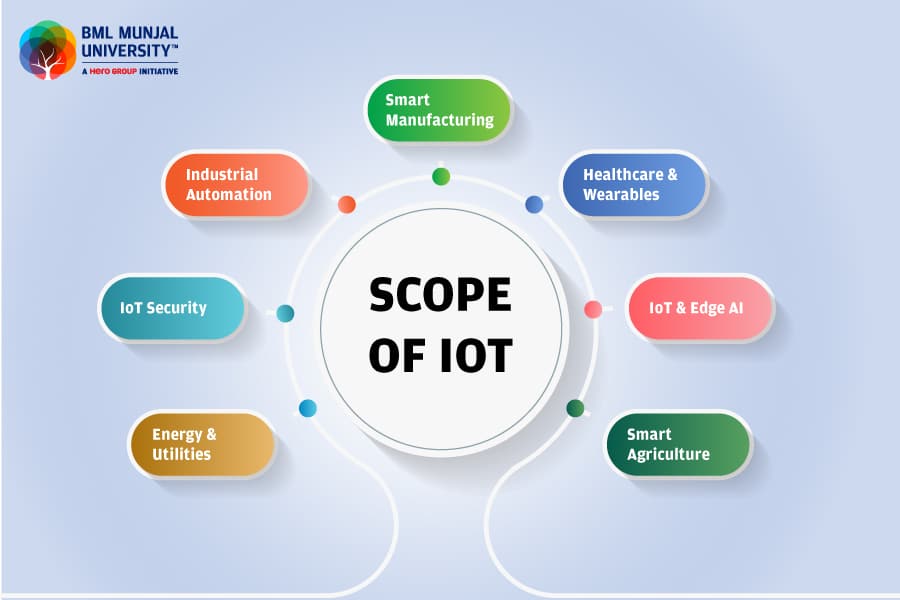
Scope of IoT in India: Careers, Skills and What Comes Next
Key Takeaways The scope of IoT is wide: about 21.1 billion connected devices in 2025, heading to 39 billion by 2030. The IoT future scope in I...

Career in Health Insurance: From Graduation to a Future in the Industry
Key Takeaways India's health insurance premium volume exceeded ₹1.2 lakh crore in FY 2024–25, with the segment growing at around 9%. Healt...
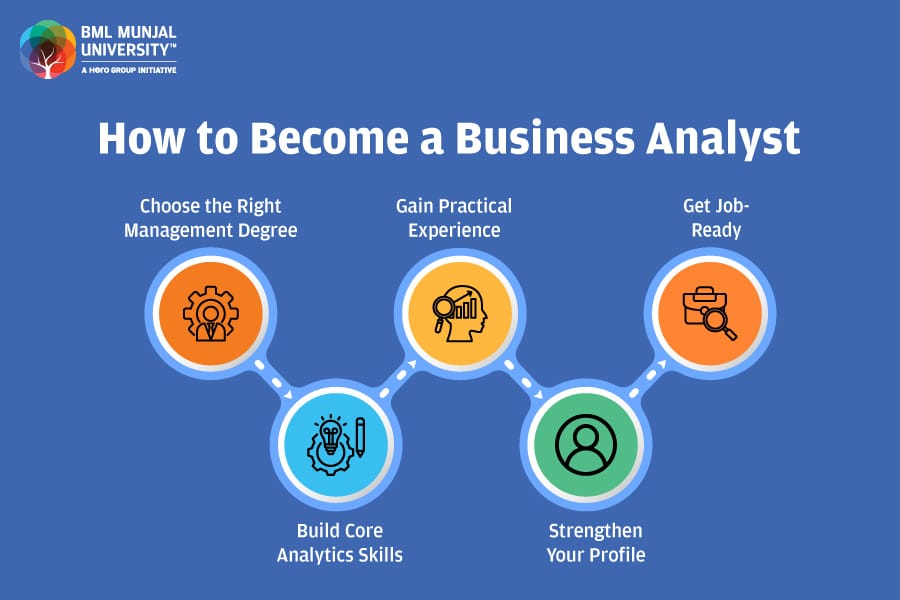
How to Become a Business Analyst: A Complete Career Guide
Key Takeaways A bachelor's degree in business, IT or a related field is the usual starting point; no state licence is required. Students after...
How to Become a Marketing Manager: Complete Step-by-Step Guide
Key Takeaways Becoming a marketing manager is a progression from execution to ownership and leadership. A relevant degree provides the foundat...

Difference Between Data Analyst and Business Analyst: Comparing Two In-Demand Career Paths
Key Takeaways Data analysts focus on what the data shows; business analysts focus on what the business should do about it, though both roles shar...

How to Become a Software Engineer: Your 2026 Career Roadmap
If you have PCM in your 12th and a vague sense that software engineering pays well, then you are already on the right path. The tricky part is not ...