
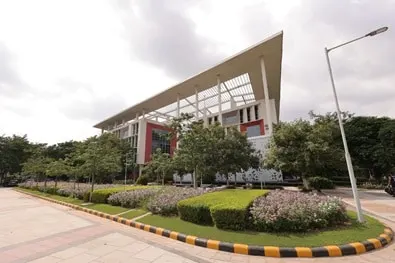
Top Mechanical Engineering Courses After 12th for a Future-ready Career


Admissions Enquiry

Nowadays, we hear a lot about AI-boom, coding, and the growing landscape of digital infrastructure.
But just take a pause, cut through the noise for a moment and think about the things you encounter in daily life. The metro you took this morning braked safely because someone designed its system.
The fan spinning above your head, the AC cooling your room, or the cars you use to travel – every one of these functions properly because there is a mechanical system working behind them.
So if you’re thinking about your next step, mechanical engineering courses after 12th still emerge as a solid choice.
Mechanical Engineering is not an “old branch”. It’s the branch the world still depends on to function, move, build, and grow. And it’s changing. With EVs taking over roads, machines learning to work on their own, and the need to build energy-smart systems, this field is evolving fast.
Let’s uncover the top choices for mechanical engineering courses after 12th, know some details about these courses and make an informed decision about which of these courses is the right choice for you.
What is Mechanical Engineering?
Mechanical Engineering can be described as a special field of engineering that designs, analyses, manufactures and maintains mechanical systems, using the principles of Physics and Mathematics.
It links these five basics:
- Mechanics
- Materials
- Thermodynamics
- Design
- Manufacturing
Now it also blends:
- Electronics
- Sensors
- Data
- Automation
- Software
Here, you’ll learn:
Core areas:
- Statics and Dynamics
- Fluid Mechanics
- Thermodynamics
- Strength of Materials
- Controls and Systems
- Machine Design
Modern topics:
- Robotics
- CAD and Simulation
- 3D printing
- Sustainable Design
- Energy Systems
- Smart Manufacturing
Tools you'll use:
- CNC Machines
- 3D Printers
- Thermal and IC Engine Labs
- MATLAB, Python
- SolidWorks, Ansys, Creo
You’ll also learn to think in terms of:
- Trade-offs (cost vs strength vs weight)
- Safety margins
- Lifecycle impact
- Real-world performance
Why Should You Pursue Mechanical Engineering Courses After 12th?
You might have heard people saying, “Everyone is doing coding now.”
But the code that tells a machine what to do still needs a machine to act. That’s where mechanical engineers lead, where software meets the real world.
Here’s why mechanical engineering courses after 12th are still one of the most future-ready choices:
1. Skillset That Stays with You
- First-principles thinking
- Building working models
- Fixing what’s broken
- Balancing cost and performance
- Working in teams under deadlines
2. Sectors You Can Work In
- Automobile
- Aerospace and Defence
- Energy
- Robotics and Automation
- Space technology
- Healthcare and Medical Devices
- Consulting and Operations
3. Career Stability and Longevity
- Hardware isn’t easy to outsource
- Infrastructure projects always need engineers
- Climate goals mean new designs and retrofits
- India’s growing need for public transport, smart cities and manufacturing
4. Interdisciplinary Edge
Mechanical is flexible; it blends with:
- AI for predictive maintenance
- Materials for lightweight design
- Policy for emissions and safety laws
5. Career Ladder Possibilities
- Start in design
- Grow into system management
- Move into project leadership or entrepreneurship
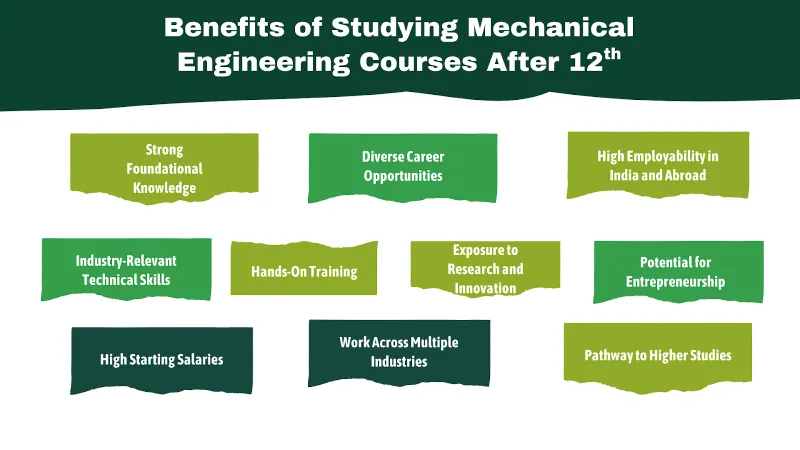
Benefits of Studying Mechanical Engineering Courses After 12th
Top Mechanical Engineering Courses After 12th
There are four best options to choose from if you want to pursue mechanical engineering courses after 12th:
- Diploma in Mechanical Engineering
- BE in Mechanical Engineering
- B.Tech. in Mechanical Engineering
- Integrated B.Tech. + M.Tech. in Mechanical Engineering
Let’s talk about each one in detail.
1. Diploma in Mechanical Engineering After 12th - Learning by Doing, Earning by Building
A Diploma in Mechanical Engineering is a three-year course focused on hands-on skill development and prepares you to enter the workforce early.
Eligibility and Entry
- After 10th or 12th
- Apply via state entrance exams or merit lists
You’ll Learn:
- Workshop and fitting
- Welding and fabrication
- Basic electronics
- Hydraulics & pneumatics
- CNC machines
- CAD tools
- Engine basics and quality control
Who Is It For?
- You like working with your hands
- You enjoy fixing or building things
- You want to get hired soon
- You’re planning a lateral entry to B.Tech. Mechanical Engineering later
Job Roles After Diploma in Mechanical Engineering After 12th
| Job Role | Description | Typical Workplace |
| Maintenance Technician | Fixes and checks machines | Factories, power plants |
| CNC Operator | Runs programmed cutting machines | Auto parts or tools factory |
| Quality Control Inspector | Ensures parts meet standards | Manufacturing lines |
| Production Supervisor | Oversees teams in assembly or fabrication | Workshops, warehouses |
| Mechanical Draftsman | Creates technical drawings | Design studios or workshops |
2. BE in Mechanical Engineering After 12th - The Classical Core for Design Thinkers
A BE in Mechanical Engineering is a four-year undergraduate academic programme that emphasises the application of physics and materials science to design, analyse, manufacture and maintain mechanical systems.
Eligibility
- Class 12th with Physics, Chemistry and Mathematics
- Entry through JEE Main, state exams, university-level exams
What You’ll Learn
- Deeper mechanics: dynamics, elasticity, vibrations
- Thermofluids: how heat and fluids move
- Machine design: creating working systems under stress
- Controls and reliability: making sure systems perform and survive
- Labs and projects with tools like MATLAB, Ansys and SolidWorks
Who Should Consider This Course
- Students who enjoy solving maths problems
- Those who like theory and how it applies to real products
- Anyone interested in R&D, high-precision design or academic careers
What It Prepares You For
- Simulation and design roles
- Testing and validation in aerospace, automotive, energy, etc.
- Postgraduate paths like MS or M.Tech.
- Internships at research labs or tech design teams
3. B.Tech. in Mechanical Engineering After 12th - Where Mechanics Meets Intelligence
If you want to mix machines with electronics, software and control systems, the B.Tech. Mechanical Engineering course brings everything together.
This four-year course combines the depth of mechanical engineering with modern-day automation. It gives you access to current industry tools and prepares you for jobs where mechanics and tech work side by side.
Eligibility
- Class 12th with Physics, Chemistry and Mathematics
- Admission through JEE Main, JEE Advanced, state exams and university-level exams
What You’ll Learn
- Core ME subjects: thermodynamics, materials, fluid systems
- New-age technology: robotics, sensors, automation, smart factories
- Important Industry Tools: CAD, PLC/SCADA, MATLAB, etc
- Sustainable design, 3D printing, energy analysis, etc
Who Should Pick This
- Students who like coding and physical systems
- Those who want to build smart machines
- Anyone aiming at EVs, automation or product design jobs
Career Outcomes
- R&D for smart products
- EV system design and development
- Robotics engineering
- Factory automation and optimisation
- Product testing using sensors and software
4. Integrated B.Tech. + M.Tech. Course in Mechanical Engineering After 12th
If you have already decided after 12th that you want to go deep into the field of mechanical engineering, the 5-year integrated programme will provide you with both B. Tech. and M. Tech. degree at the same time.
This path saves time (takes 1 year less than pursuing B.Tech. and M.Tech. separately) and helps you enter research or specialised roles early. This will work out well for students who already feel a curiosity about engineering problems that seem to require time, depth and rigour and are willing to go into research or more specialised studies.
Eligibility
- Class 12th with Physics, Chemistry and Mathematics subjects
- Entry via JEE Main, JEE Advanced, state exams and university-level entrance exams
Why It’s Unique
- No break between UG and PG
- Early access to advanced labs and research projects
- A clear focus from day one
- Mentorship for thesis and innovation work
What the Course Covers
- Foundation subjects in the first two years
- Electives in robotics, energy, smart materials, etc.
- Research credits, lab immersion, M.Tech. thesis
Who Should Consider It
- Students planning for deep tech, patents or PhDs
- Those interested in design, simulation or future energy systems
- Learners who prefer steady, long-term academic paths
Career Possibilities
- Research engineer in aerospace, medical devices or energy
- Systems architect in product design
- Entry into PhD or high-tech startups
- Strong profile for global scholarships or fellowships
B.Tech. Mechanical Engineering Key Course Details
Here are some of the must-know facts about B.Tech. Mechanical Engineering, if you want to pursue this degree after class 12th:
| Feature | Details |
| Course Name | B.Tech. in Mechanical Engineering |
| Course Duration | 4 Years |
| Eligibility | 10+2 with PCM subjects from a recognised board |
| Admission | Entrance exam/merit-based |
| Tuition Fees | Up to 15 lakh rupees |
| Entrance Exams | JEE Main, JEE Advanced, State-level Exams, University-Specific Exams |
Admission Criteria for B.Tech. Mechanical Engineering
If you want to secure a seat in the B.Tech. Mechanical Engineering course after 12th, you need to fulfil these requirements:
- Completed class 12th from a recognised board with Physics, Chemistry and Mathematics Subjects
- Marks required in the 12th board exam for B.Tech. admission can vary depending on the university, ranging from 50-75%.
- Qualifying required entrance exam.
Entrance Exams for Admission in B.Tech. Mechanical Engineering Course After 12th
(a) National-level B.Tech. Entrance Exam
- JEE Main
- JEE Advanced
(b) State-level B.Tech. Entrance Exam
- MH CET
- WB JEE
- KCET
(c) University-specific Entrance Exam
- BMU-SAT
- BITSAT
- VITEEE
How to Prepare for B.Tech. Entrance Exam?
You can follow these proven strategies to prepare for the B.Tech. entrance exam:
- Strengthen Conceptual Clarity in PCM (Physics, Chemistry, Mathematics)
- Practice Previous Years’ Question Papers
- Build Strong Time Management Habits
- Take Full-Length Mock Tests Regularly
- Maintain a Structured and Balanced Study Routine
- Focus on High-Weightage Topics First
- Avoid Resource Overload
- Discuss Exam Strategies with Mentors and Teachers
B.Tech. Mechanical Engineering Admission Process
Here is a step-by-step process for admission to B.Tech. Mechanical Engineering course after 12th:
- Check eligibility
- Take entrance exams
- Submit applications
- Attend counselling
- Document verification and fee payment
What Kind of Skills Will You Gain in the B.Tech. Mechanical Engineering Course?
Here are the key technical and soft skills you will gain in the B.Tech. Mechanical Engineering degree programme:
Technical Skills
- Engineering Design and Simulation (CAD, CAE, FEA, CFD)
- Thermodynamics, Fluid Mechanics and Heat Transfer
- Machine Design and Strength of Materials
- Robotics, Automation and Control Systems
- Manufacturing and Prototyping
- SOLIDWORKS, ANSYS, MATLAB, etc.
- System Modelling, Data Interpretation and Technical Analysis
- IoT, Digital Twins, etc.
Soft Skills
- Problem-Solving
- Critical Thinking
- Communication
- Teamwork
- Project Management
High Demand Industries for B.Tech. Mechanical Engineering Graduates
Here are the top industries where you can work after completing B.Tech. Mechanical Engineering course:
- Automotive
- Aerospace
- Power & Energy
- Oil & Gas
- Railways
- Manufacturing
- Robotics
- HVAC & Refrigeration
- Defence & Naval Systems
- Mining & Construction
Top Organisations that Hire B.Tech. Mechanical Engineering Graduates
You can work with the world’s top organisations after completing the B.Tech. Mechanical Engineering programme:
- Tata Motors
- Ashok Leyland
- Maruti Suzuki
- L&T
- Bosch
- TVS
- Siemens
- ISRO
- DRDO
- HAL
- Blue Star
- Voltas
- LG
- NTPC
- BHEL
- ONGC
- Indian Oil
- BPCL
- Indian Railways
- GE India
Career Opportunities After B.Tech. Mechanical Engineering
Best job profiles in which you can work after completing the B.Tech. Mechanical Engineering degree are:
- Mechanical Engineer
- Mechanical Design Engineer
- Design Engineer
- Quality Control Engineer
- Simulation Engineer
- R&D Engineer
- Process Development Engineer
- Manufacturing/Production Engineer
- Production Manager
- Maintenance Engineer
- Plant Engineer
- Automation Specialist
- Automotive Engineer
- Aerospace Engineer
- Robotics Engineer
- Mechatronics Engineer
- Control & Instrumentation Engineer
- Systems Engineer
- Power Engineer
- Thermal Engineer
- Nuclear Engineer
- Renewable Energy Consultant
- Applications Engineer
- Systems Engineer
Salary After B.Tech. Mechanical Engineering Course
Here is the expected range of salary you can earn as a fresher after completing the B.Tech. Mechanical Engineering:
| Job Role | Average Salary Range (INR) |
| Aerospace Engineer | 5.5-8 LPA |
| Research and Development Engineer | 5-8 LPA |
| HVAC Engineer | 4-10 LPA |
| Mechanical Engineer | 4-9 LPA |
| Project Engineer | 4-8 LPA |
| Design Engineer | 3.5-8 LPA |
| Automobile Engineer | 4-7 LPA |
| Maintenance Engineer | 3-6 LPA |
| Quality Control Engineer | 4-7 LPA |
| Production Engineer | 4-6.5 LPA |
How to Choose the Right University for B.Tech. Mechanical Engineering?
Key things to consider when choosing a university for admission in B.Tech.:
- Accreditation and Rankings
- Faculty Credentials
- Industry Collaborations and Internships
- Infrastructure and Laboratories
- Placement Records and Alumni Network
- Affordability and Scholarships
Why Choose BML Munjal University for B.Tech. Mechanical Engineering?
Choosing the right university for your Mechanical Engineering course after 12th isn’t just about classrooms or textbooks; it’s about the kind of engineer you become.
At BML Munjal University, the B.Tech. Mechanical Engineering programme is built for students who don’t just want to learn machines, but want to lead change in how the world moves, builds and powers forward. The programme is crafted with the core belief that engineers should think clearly, model accurately and act with confidence.
The course syllabus meticulously integrates classical mechanical engineering fundamentals with the tools and skill requirements of the modern industry, preparing technology leaders who can work with clarity and lead with confidence.
Placements That Speak Volumes
- Highest CTC:99 LPA
- Average CTC: 45 LPA
- Top 10% Average CTC: 50 LPA
- Top 25% Average CTC: 70 LPA
- Hiring Companies: L&T, Hero, Google, MG, Amazon, etc.
If you’re ready to go beyond theory, ready to build machines that solve real problems and careers that stand the test of time, BML Munjal University is where you start.
Synopsis
The world operates on machines, and mechanical engineers are responsible for designing, optimising and developing them. From the design of clean energy systems to the automation of future industries, studying mechanical engineering courses after 12th allows you to develop the abilities to create solutions that can shape the direction of future advancements.
Whether you pursue a diploma, a BE, a B.Tech. Mechanical Engineering or integrated programmes, this path offers real-world relevance, career stability and multi-disciplinary skills for a future-ready career.
For students who are ready to build with clarity, confidence and care, BML Munjal University offers the perfect stage. Admissions are now open. Begin B.Tech. Mechanical Engineering journey now!
FAQs
You can pursue M.Tech., MBA or even MS abroad after completing the B.Tech. Mechanical Engineering.
Yes, you can take admission into mechanical engineering without appearing in the JEE exam. You can take admission through state entrance exams or university-specific exams.
Considering the world-class facilities, best faculty, global collaboration, industrial exposure, industry-aligned curriculum and placement opportunities, BML Munjal University is undoubtedly the best private university for B.Tech. Mechanical Engineering in Delhi NCR.
Related Blogs
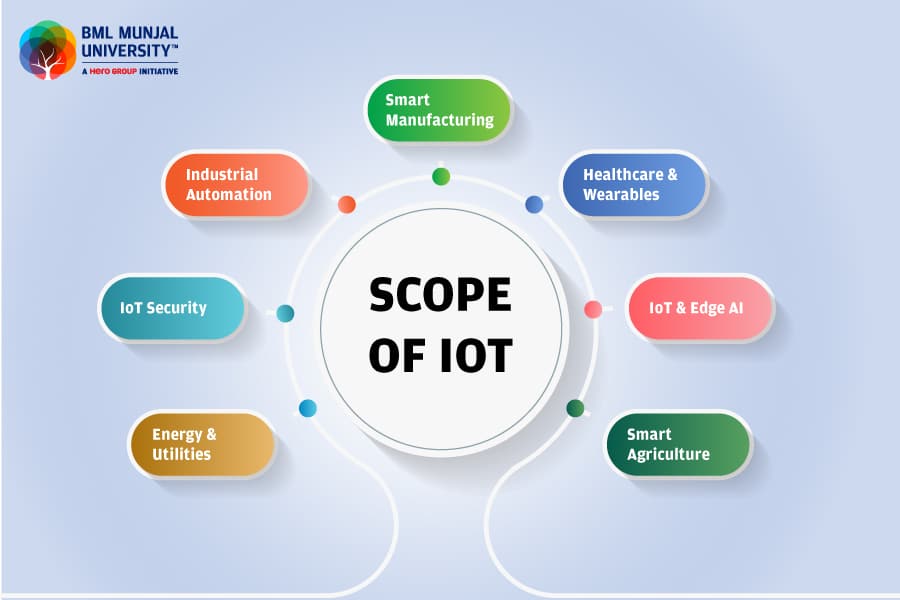
Scope of IoT in India: Careers, Skills and What Comes Next
Key Takeaways The scope of IoT is wide: about 21.1 billion connected devices in 2025, heading to 39 billion by 2030. The IoT future scope in I...
Top B.Tech. Mechanical Engineering Specialisations in India for Working Professionals
If you are working in manufacturing, automotive, energy or any mechanical domain and your career has hit a ceiling, the missing piece is usually your ...
Automobile Engineering vs Mechanical Engineering – Which One Should You Choose After 12th?
The 12th class results are barely a memory and there's already a form to fill, a stream to lock in and a deadline closing in. For a lot of science stu...
10+ Best Engineering Colleges in India 2026: Top Government & Private Options with Rankings & Placements
Key Takeaways- Top government engineering colleges: IIT Madras, IIT Delhi, IIT Bombay, IIT Kanpur and IIT Kharagpur. Top private engineering c...

Top 10 Engineering Courses to Secure a High-Paying Job
Most students pick an engineering branch the way they pick a cricket team, i.e., based on loyalty, peer pressure or what someone's cousin is doing. Ve...

Top 10 Software Engineering Courses after 12th
Choosing the right software engineering course after 12th is the first and most important step toward a successful tech career. With software becoming...